Smart ring maker Oura reportedly files for IPO
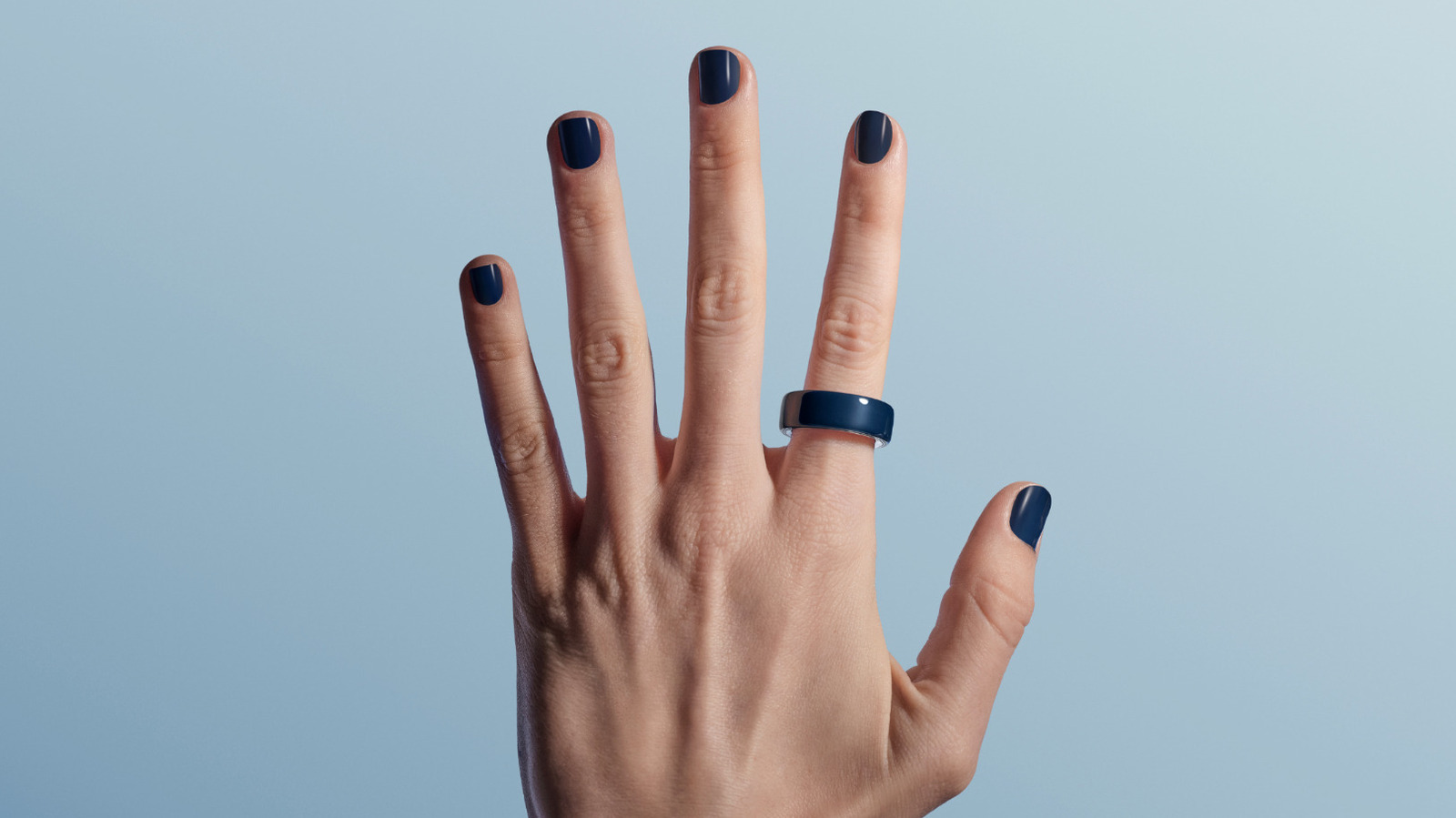
Oura's IPO signals a major shift in the wearable AI market, impacting how biometric data is collected and analyzed.
30-Second TL;DR
What Changed
Oura has reportedly initiated the IPO filing process
Why It Matters
An Oura IPO could accelerate innovation in biometric tracking and AI-driven health insights. It validates the smart ring form factor as a viable competitor to traditional smartwatches.
What To Do Next
Analyze Oura's public health-data integration strategies to identify opportunities for your own health-tech AI models.
Key Points
- •Oura has reportedly initiated the IPO filing process
- •The company is a leader in the smart ring wearable category
- •The move reflects growing investor interest in health-tech hardware
Deep Insight
Background and context from public sources — not the original article. 16 sources cited.
Enhanced Key Takeaways
- •Oura's confidential IPO filing in May 2026 follows a Series E funding round in October 2025, which valued the company at approximately $11 billion.
- •The company has sold over 5.5 million smart rings globally, with half of those sales occurring in the twelve months leading up to May 2026.
- •Oura projects significant revenue growth, with reported revenue above $500 million in 2024, an estimated $1 billion in 2025, and an outlook of $1.5 billion for 2026.
- •Goldman Sachs, Morgan Stanley, JPMorgan Chase, Allen & Co., and Jefferies have been engaged to manage the IPO, which is targeted for later in 2026.
- •Headquartered in Oulu, Finland, with major US operations, Oura has expanded its capabilities through strategic acquisitions, including Proxy Inc. in May 2023, Veri in September 2024, and Sparta Science in October 2024.
Competitor Analysis
- Oura Ring 4
- $349+
- Ultrahuman Ring Air
- $349
- RingConn Gen 2
- $299
- Samsung Galaxy Ring
- $399
- Oura Ring 4
- Yes ($5.99/month)
- Ultrahuman Ring Air
- No
- RingConn Gen 2
- No
- Samsung Galaxy Ring
- No
- Oura Ring 4
- 24/7 HR, SpO2, advanced temperature, sleep staging, period prediction, daytime stress, AI-driven insights, Smart Sensing.
- Ultrahuman Ring Air
- Heart rate, HRV, blood oxygen, body temperature, sleep, activity, recovery, circadian rhythm alignment, metabolic tracking, Adenosine Clearance Window guide.
- RingConn Gen 2
- Heart rate, HRV, blood oxygen, body temperature, sleep, activity, recovery, menstrual cycle tracking, sleep apnea monitoring.
- Samsung Galaxy Ring
- Heart rate, activity, sleep, advanced Energy Score, Double Pinch gesture controls.
- Oura Ring 4
- 4-6 grams (Gen 3, Gen 4 is lighter but not specified)
- Ultrahuman Ring Air
- 2.4-3.6 grams
- RingConn Gen 2
- 2-3 grams
- Samsung Galaxy Ring
- Not specified, but titanium frame.
- Oura Ring 4
- Titanium, Ceramic options
- Ultrahuman Ring Air
- Not specified, but lightweight.
- RingConn Gen 2
- Not specified, but lightest and thinnest.
- Samsung Galaxy Ring
- Scratch-resistant titanium frame.
| Feature/Product | Oura Ring 4 | Ultrahuman Ring Air | RingConn Gen 2 | Samsung Galaxy Ring |
|---|---|---|---|---|
| Price (USD) | $349+ | $349 | $299 | $399 |
| Subscription Required | Yes ($5.99/month) | No | No | No |
| Key Features | 24/7 HR, SpO2, advanced temperature, sleep staging, period prediction, daytime stress, AI-driven insights, Smart Sensing. | Heart rate, HRV, blood oxygen, body temperature, sleep, activity, recovery, circadian rhythm alignment, metabolic tracking, Adenosine Clearance Window guide. | Heart rate, HRV, blood oxygen, body temperature, sleep, activity, recovery, menstrual cycle tracking, sleep apnea monitoring. | Heart rate, activity, sleep, advanced Energy Score, Double Pinch gesture controls. |
| Weight | 4-6 grams (Gen 3, Gen 4 is lighter but not specified) | 2.4-3.6 grams | 2-3 grams | Not specified, but titanium frame. |
| Material | Titanium, Ceramic options | Not specified, but lightweight. | Not specified, but lightest and thinnest. | Scratch-resistant titanium frame. |
Technical Deep Dive
- Sensors: Oura Rings utilize a combination of red, green, and infrared (IR) LEDs for measuring blood oxygen levels (SpO2), 24/7 heart rate, heart rate variability, and respiration rate. They also incorporate digital temperature sensors for tracking body temperature trends and accelerometers for detecting movement and activity.
- Generations: The Oura Ring has evolved through several generations. The first generation (2015) used IR LEDs, 3D accelerometers, and a temperature sensor. Generation 2 (2018) refined these with IR LEDs for HR/respiratory rate and NTC temperature sensors. Generation 3 (2021) added green and red LEDs for daytime and activity heart rates, an extra NTC sensor for improved illness detection and Cycle Insights, and an additional IR sensor for better alignment compensation. Oura Ring 4 (2024) features a fully titanium design with recessed sensors and a new 'Smart Sensing' platform that adapts to the user's physiology.
- Materials: Early rings were made of Zirconia (ZrO2). Later generations, including Gen 2, Gen 3, and Gen 4, utilize titanium with various coatings like PVD (Physical Vapor Deposition) and DLC (Diamond-like Carbon) for different finishes.
- Software & Algorithms: Oura's software compiles data into metrics like Readiness Score, Sleep Score, and Activity Score. Features include detailed sleep analysis, 24/7 heart rate tracking, advanced temperature monitoring, blood oxygen sensing, daytime stress, dynamic activity goals with automatic activity detection, and women's health features like Cycle Insights and Period Prediction. AI and machine learning have been integral to Oura's algorithms throughout its history, with recent advancements like AI-powered Oura Advisor.
- Battery & Durability: Battery life typically ranges from 5-8 days, with charging times between 20-80 minutes. Rings are water-resistant up to 100m/328ft.
Future ImplicationsAI analysis grounded in cited sources
Timeline
- 2013Oura Health Oy founded in Finland.
- 2015First Oura Ring launched via a successful Kickstarter campaign.
- 2021-10Oura Ring Generation 3 launched, introducing new sensors and features like daytime heart rate and improved temperature sensing.
- 2022-03Oura announced selling 1 million smart rings globally.
- 2025-10Oura raised $900 million in a Series E funding round, valuing the company at approximately $11 billion.
- 2026-05-21Oura confidentially filed a draft registration statement for a proposed U.S. Initial Public Offering (IPO).
Sources (16)
Factual claims are grounded in the sources below. Forward-looking analysis is AI-generated interpretation.
Weekly AI Recap
Read this week's curated digest of top AI events →
Related Updates

AI-curated news aggregator. All content rights belong to original publishers.
Original source: Engadget ↗
This is a summary, not the original. Read the source, or get the weekly briefing.
The weekly digest
One email a week. Unsubscribe anytime.