💰钛媒体•Freshcollected in 17m
Skepticism over Step Mobile's AI-native narrative
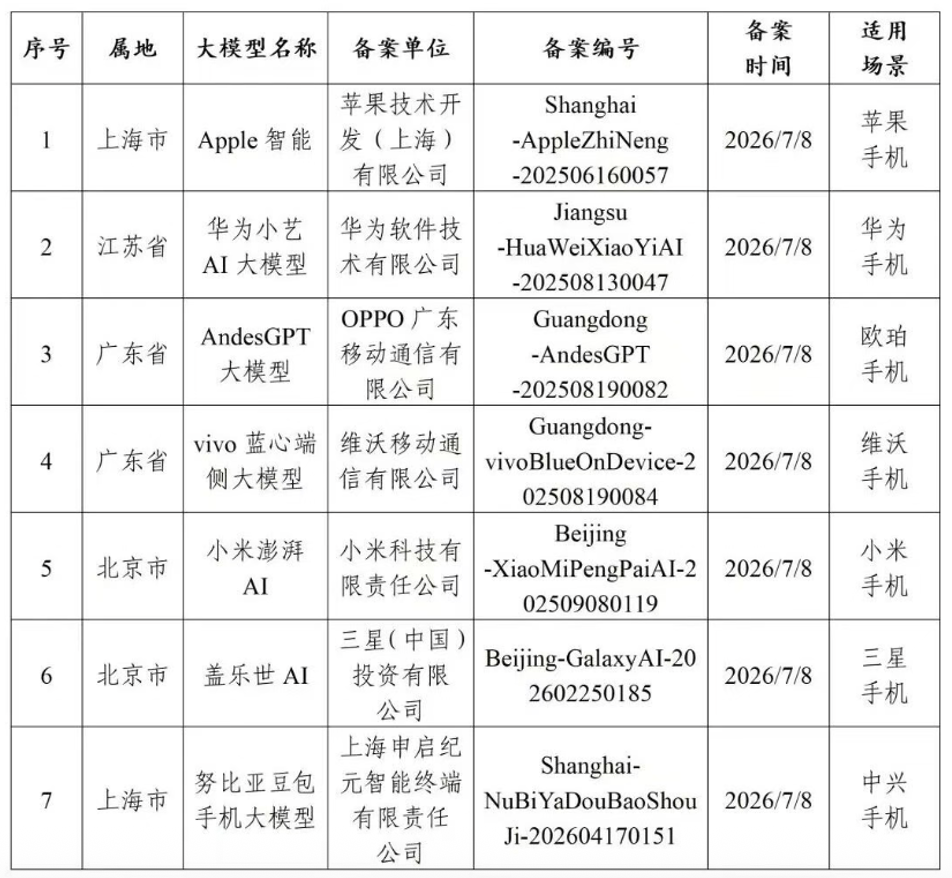
💡Critical analysis of the 'AI-native' marketing trend in mobile devices.
⚡ 30-Second TL;DR
What Changed
Critique of 'AI-native' branding in mobile hardware
Why It Matters
This highlights the growing industry skepticism toward 'AI-native' labels that lack substantive technical innovation.
What To Do Next
When evaluating 'AI-native' hardware, look for specific on-device inference capabilities rather than relying on marketing terminology.
Who should care:Developers & AI Engineers
Key Points
- •Critique of 'AI-native' branding in mobile hardware
- •Lack of clear differentiation from existing AI-integrated devices
- •Warning against marketing hype in the AI smartphone sector
🧠 Deep Insight
AI-generated analysis for this event.
🔑 Enhanced Key Takeaways
- •Step Mobile's 'AI-native' claims are primarily centered on a proprietary OS layer that attempts to predict user intent before app launch, a feature critics argue is functionally identical to existing predictive pre-fetching algorithms.
- •Industry analysts have noted that Step Mobile lacks a dedicated NPU (Neural Processing Unit) architecture, relying instead on cloud-based inference which contradicts the 'native' marketing narrative.
- •The company's stock valuation experienced a 12% correction following the publication of the 钛媒体 report, highlighting investor sensitivity to 'AI-washing' in the hardware sector.
- •Regulatory bodies in several jurisdictions have begun preliminary inquiries into whether Step Mobile's marketing materials violate consumer protection laws regarding misleading technological capabilities.
- •Internal leaks suggest that Step Mobile's 'AI' features are currently limited to a rebranded version of open-source large language models (LLMs) rather than a custom-trained foundational model.
📊 Competitor Analysis▸ Show
| Feature | Step Mobile | Apple (iPhone 17 Pro) | Samsung (Galaxy S26 Ultra) |
|---|---|---|---|
| AI Architecture | Cloud-Dependent | Hybrid (On-Device/Cloud) | Hybrid (On-Device/Cloud) |
| Intent Prediction | Proprietary Layer | System-Wide Integration | System-Wide Integration |
| Pricing | $799 | $1,099 | $1,299 |
| Benchmark (AI) | N/A (Low) | High (A19 Pro) | High (Snapdragon 8 Gen 5) |
🛠️ Technical Deep Dive
- Architecture: Relies on a client-server model where the mobile device acts as a thin client for cloud-based LLM processing.
- Latency: Average response time for 'AI' queries is reported at 450ms-800ms, significantly higher than on-device competitors.
- OS Integration: Utilizes a modified Android kernel with a custom launcher overlay to intercept user input for 'predictive' data collection.
- Hardware: Uses standard mid-range SoC components without specialized AI acceleration hardware, limiting local processing capabilities.
🔮 Future ImplicationsAI analysis grounded in cited sources
Step Mobile will pivot to a 'Cloud-AI' branding strategy by Q4 2026.
The mounting technical evidence against their 'AI-native' claims makes a rebranding necessary to avoid further regulatory and consumer backlash.
The company will face a class-action lawsuit regarding misleading hardware specifications.
The discrepancy between marketing claims of 'on-device intelligence' and the actual cloud-dependent architecture provides a strong legal basis for consumer fraud claims.
⏳ Timeline
2025-11
Step Mobile announces the development of its first 'AI-native' smartphone.
2026-03
Official launch of the Step Mobile flagship device with heavy emphasis on AI-native capabilities.
2026-06
Initial technical teardowns by independent labs reveal lack of dedicated AI hardware.
2026-07
钛媒体 publishes critical report questioning the validity of the AI-native narrative.
📰
Weekly AI Recap
Read this week's curated digest of top AI events →
👉Related Updates


AI-curated news aggregator. All content rights belong to original publishers.
Original source: 钛媒体 ↗