Seattle AI Film Festival Showcases 200 AI Films
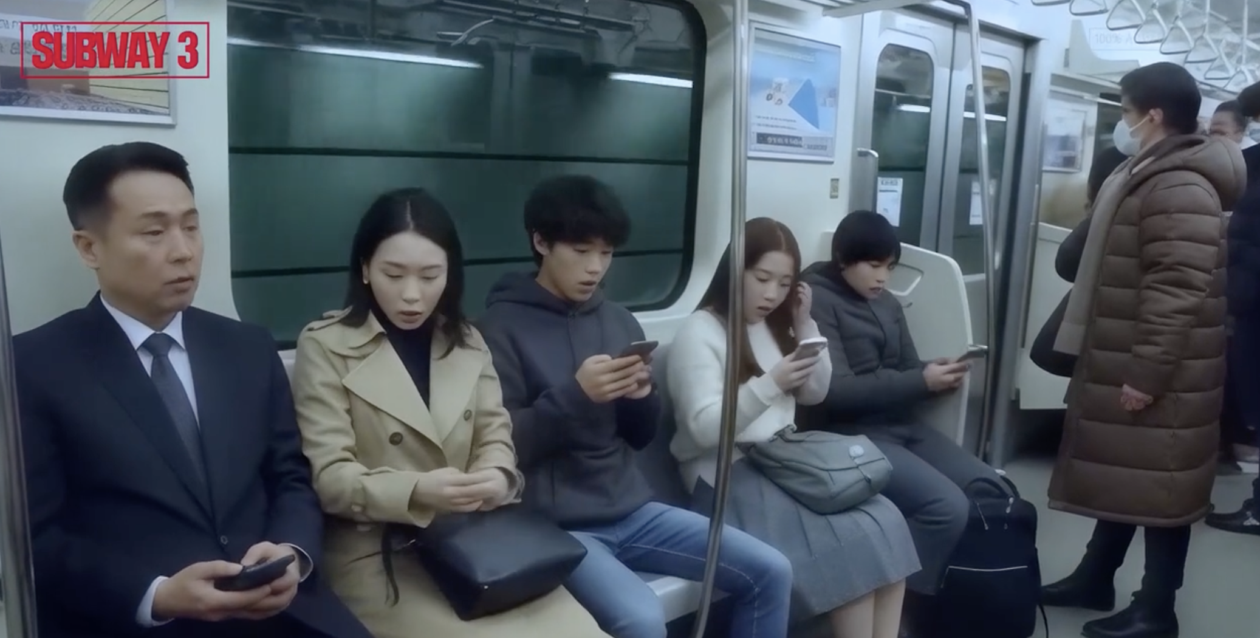
See how 200 filmmakers are testing generative AI while keeping human creativity in control.
30-Second TL;DR
What Changed
The festival returns with a lineup of 200 films focused on AI cinema.
Why It Matters
The festival may help practitioners evaluate generative AI through real creative work rather than abstract debate. Its human-centered positioning also signals that adoption in filmmaking is likely to emphasize collaboration and creative direction instead of full automation.
What To Do Next
Review the festival’s 200-film lineup and document which generative AI techniques could improve your own previsualization, storyboarding, or production workflow.
Key Points
- •The festival returns with a lineup of 200 films focused on AI cinema.
- •Generative AI is presented as a tool for expanding creative possibilities.
- •The event brings together filmmakers, technologists, and creators.
- •Human storytelling and artistic vision remain central to the festival’s approach.
Deep Insight
AI-generated analysis for this event — not the original article.
Enhanced Key Takeaways
- •The festival is organized by the Seattle-based creative studio 'Runway' (or in partnership with major generative AI platforms) to highlight the democratization of high-end visual effects through text-to-video tools.
- •Submissions for the festival are evaluated based on 'AI-human synergy,' specifically looking for how creators utilize prompt engineering and iterative refinement to achieve specific aesthetic goals.
- •The event includes dedicated workshops on ethical AI usage, addressing concerns regarding copyright, deepfakes, and the training data provenance of the models used by participants.
- •A significant portion of the 200 films utilize open-source models like Stable Diffusion and Flux, alongside proprietary models, reflecting a diverse technical landscape in AI filmmaking.
- •The festival serves as a networking hub for 'AI cinematographers,' a new job category emerging that combines traditional cinematography principles with latent space manipulation.
Competitor Analysis
- Seattle AI Film Festival
- Regional/Community
- AI Film Festival (Runway)
- Global/Technical
- Cannes Next (AI Track)
- Industry/Professional
- Seattle AI Film Festival
- 200 Films
- AI Film Festival (Runway)
- Global Open Call
- Cannes Next (AI Track)
- Curated/Invitational
- Seattle AI Film Festival
- Creative Exploration
- AI Film Festival (Runway)
- Model Showcase
- Cannes Next (AI Track)
- Industry Integration
| Feature | Seattle AI Film Festival | AI Film Festival (Runway) | Cannes Next (AI Track) |
|---|---|---|---|
| Focus | Regional/Community | Global/Technical | Industry/Professional |
| Submission Scale | 200 Films | Global Open Call | Curated/Invitational |
| Primary Goal | Creative Exploration | Model Showcase | Industry Integration |
Technical Deep Dive
- Filmmakers primarily utilize Latent Diffusion Models (LDMs) for video generation, often employing temporal consistency modules to reduce flickering between frames.
- Many entries leverage ControlNet or similar adapter architectures to maintain character and environment consistency across different shots.
- Post-production workflows frequently integrate AI-upscaling (e.g., Topaz Video AI) and frame interpolation to convert low-resolution generative outputs into 4K cinematic standards.
- Audio synthesis is increasingly handled by transformer-based models that synchronize lip movements and ambient soundscapes with generated visual cues.
Future ImplicationsAI analysis grounded in cited sources
Timeline
- 2023-02Inaugural Seattle AI Film Festival event held to showcase early generative video capabilities.
- 2024-05Expansion of submission categories to include AI-assisted sound design and music scoring.
- 2025-08Introduction of the 'Human-AI Collaboration' award to emphasize the role of the director in prompt-based storytelling.
- 2026-08Current festival iteration featuring 200 films and expanded industry workshops.
Weekly AI Recap
Read this week's curated digest of top AI events →
Related Updates
AI-curated news aggregator. All content rights belong to original publishers.
Original source: GeekWire ↗
This is a summary, not the original. Read the source, or get the weekly briefing.
The weekly digest
One email a week. Unsubscribe anytime.