Samsung to implement paid access for SmartThings API
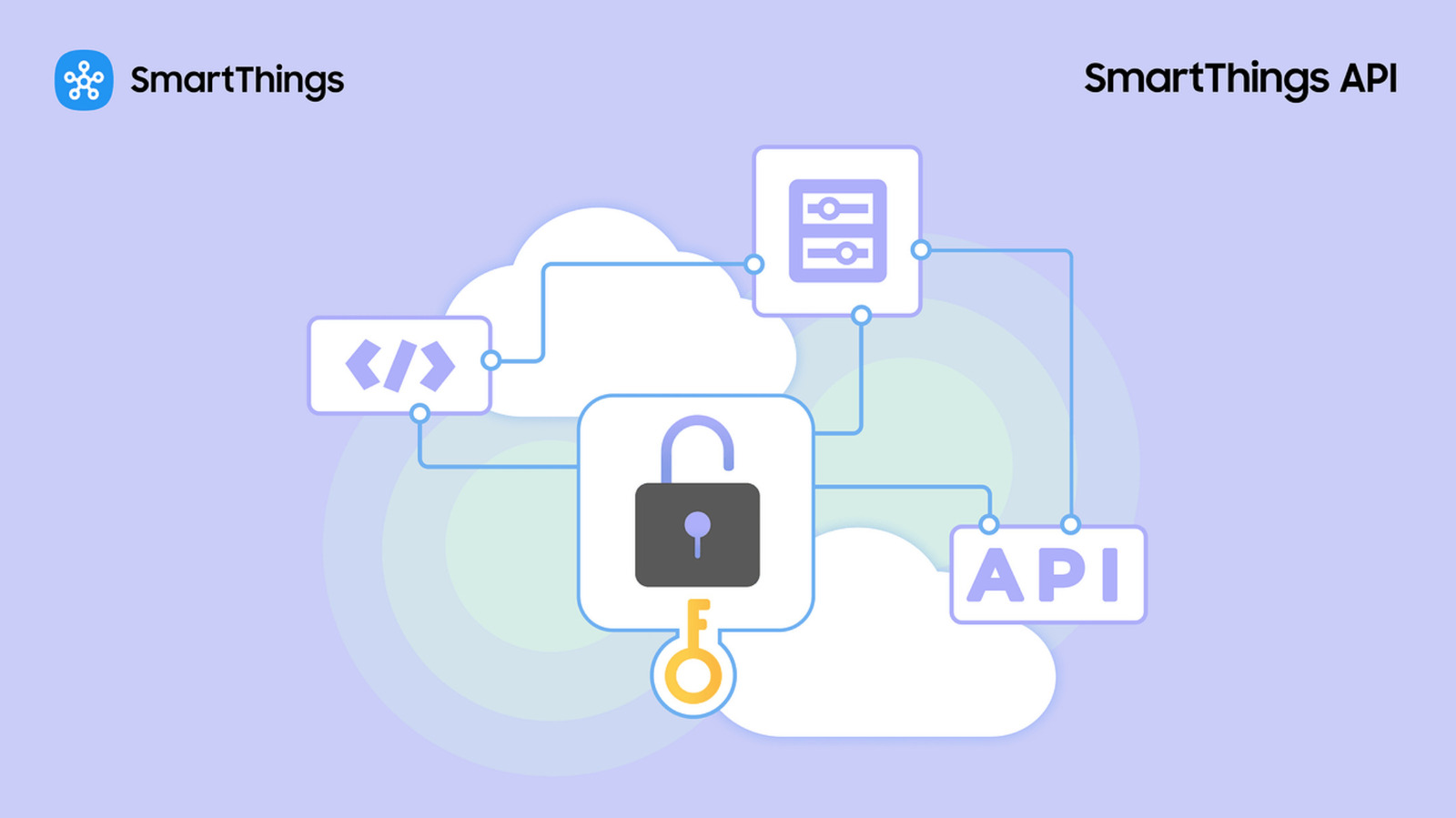
Critical update for IoT developers: Samsung is ending free access to its SmartThings API, affecting all integrations.
30-Second TL;DR
What Changed
Samsung is moving away from free access to the SmartThings API.
Why It Matters
Developers currently using SmartThings for IoT automation will need to re-evaluate their cost structures and potential ROI. This could lead to a consolidation of third-party integrations as smaller projects become economically unviable.
What To Do Next
Review your current SmartThings API usage and prepare a budget forecast for potential subscription costs before the new pricing model takes effect.
Key Points
- •Samsung is moving away from free access to the SmartThings API.
- •The change will impact developers and third-party integrations relying on the platform.
- •Specific pricing tiers and implementation timelines have yet to be fully detailed.
Deep Insight
AI-generated analysis for this event — not the original article.
Enhanced Key Takeaways
- •The transition is part of Samsung's broader 'SmartThings Platform Monetization' initiative aimed at offsetting rising cloud infrastructure and maintenance costs for the SmartThings ecosystem.
- •Samsung is introducing a tiered 'Developer API Subscription' model that includes rate-limiting thresholds, with free tiers restricted to hobbyist-level usage and limited device connections.
- •The API changes will specifically affect the SmartThings Schema and REST API, requiring developers to migrate existing integrations to the new authentication and billing framework by the end of the year.
- •Enterprise-level partners will gain access to premium support, advanced analytics, and higher API call quotas as part of the paid subscription packages.
- •Samsung is providing a 'Developer Transition Program' that includes documentation and migration tools to help third-party developers update their OAuth 2.0 implementation for the new billing-integrated endpoints.
Competitor Analysis
- SmartThings (New)
- Paid Tiered Model
- Home Assistant (Cloud)
- Open Source / Free
- Apple HomeKit
- Free (MFi Program)
- Amazon Alexa
- Free (with usage limits)
- SmartThings (New)
- High
- Home Assistant (Cloud)
- Low (Local-first)
- Apple HomeKit
- Medium
- Amazon Alexa
- High
- SmartThings (New)
- Subscription-based
- Home Assistant (Cloud)
- Free (Self-hosted)
- Apple HomeKit
- Licensing/MFi
- Amazon Alexa
- Free (Tiered limits)
| Feature | SmartThings (New) | Home Assistant (Cloud) | Apple HomeKit | Amazon Alexa |
|---|---|---|---|---|
| API Access | Paid Tiered Model | Open Source / Free | Free (MFi Program) | Free (with usage limits) |
| Cloud Dependency | High | Low (Local-first) | Medium | High |
| Developer Cost | Subscription-based | Free (Self-hosted) | Licensing/MFi | Free (Tiered limits) |
Technical Deep Dive
- The new API architecture utilizes an updated OAuth 2.0 flow that requires a billing-linked developer account to generate valid access tokens.
- API rate limits are being enforced at the Client ID level, with paid tiers offering burst capacity for high-traffic smart home integrations.
- Integration endpoints are moving from legacy SmartApp structures to the more robust SmartThings REST API v2, which supports improved event-driven webhooks.
- The platform is implementing a new usage-based metering system that tracks API calls per device per month to determine billing tier eligibility.
Future ImplicationsAI analysis grounded in cited sources
Timeline
- 2014-08Samsung acquires SmartThings for $200 million to bolster IoT presence.
- 2018-10Launch of the unified SmartThings app and new developer platform.
- 2020-12Samsung announces the deprecation of legacy Groovy-based SmartApps.
- 2022-09Completion of the migration to the new SmartThings API and platform architecture.
- 2025-03Samsung initiates pilot program for API monetization with select enterprise partners.
Event Coverage
Weekly AI Recap
Read this week's curated digest of top AI events →
Related Updates

AI-curated news aggregator. All content rights belong to original publishers.
Original source: Engadget ↗
This is a summary, not the original. Read the source, or get the weekly briefing.
The weekly digest
One email a week. Unsubscribe anytime.