Samsung Galaxy Unpacked: Foldables, Watches, and Smart Glasses
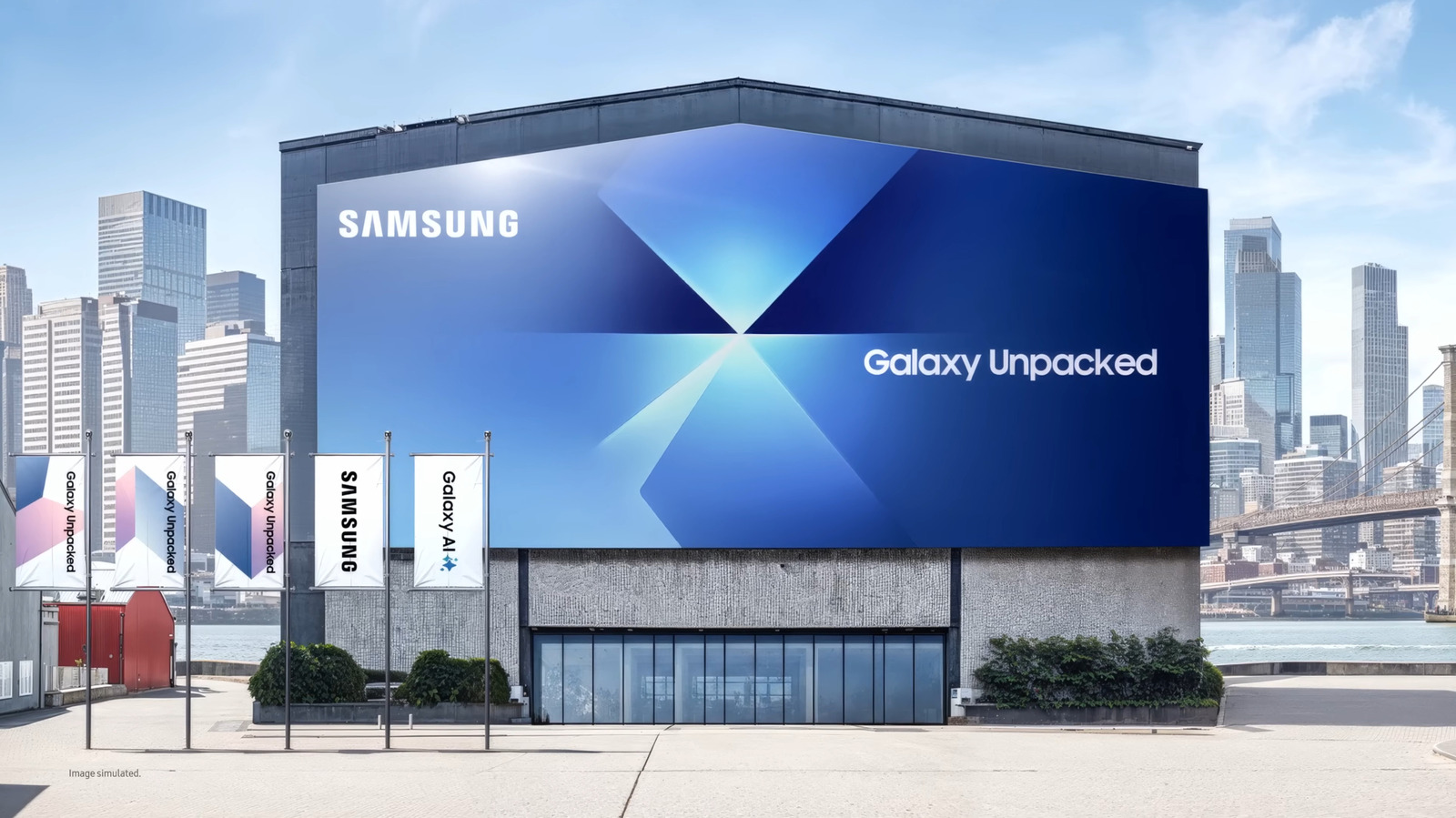
Samsung's move into smart glasses and wearables is a key indicator for the future of edge-based AI and ambient computing
30-Second TL;DR
What Changed
Expected launch of new foldable smartphone models
Why It Matters
The expansion of Galaxy AI into wearables and glasses signals a shift toward ambient computing, requiring developers to optimize AI models for edge devices and low-latency interaction.
What To Do Next
Monitor the Samsung Developer portal for new SDK updates related to Galaxy AI integration on wearable and XR platforms.
Key Points
- •Expected launch of new foldable smartphone models
- •Updates to wearable device lineup including smartwatches
- •Potential unveiling of new smart glasses hardware
- •Expansion of the Galaxy AI ecosystem across new form factors
Deep Insight
AI-generated analysis for this event — not the original article.
Enhanced Key Takeaways
- •Samsung is reportedly integrating a new 'Galaxy Neural Engine' into the upcoming foldables to handle on-device generative AI tasks without cloud latency.
- •The smart glasses are rumored to be developed in partnership with Google and Qualcomm, utilizing a custom version of Android optimized for XR (Extended Reality).
- •New wearable devices are expected to feature advanced non-invasive blood glucose monitoring sensors, a significant upgrade over previous health-tracking iterations.
- •The foldable lineup will likely introduce a 'tri-fold' or 'rollable' prototype alongside the standard Z Fold and Z Flip iterations to test market viability.
- •Samsung is shifting its software strategy to prioritize 'Agentic AI,' where the device proactively manages user schedules and app interactions across the ecosystem.
Competitor Analysis
- Samsung Galaxy (Upcoming)
- Foldable/Smart Glasses
- Apple (Vision/iPhone)
- Vision Pro/iPhone
- Google (Pixel Fold/Watch)
- Foldable/Pixel Watch
- Samsung Galaxy (Upcoming)
- Agentic/On-Device
- Apple (Vision/iPhone)
- Apple Intelligence
- Google (Pixel Fold/Watch)
- Gemini/Cloud-Hybrid
- Samsung Galaxy (Upcoming)
- Open/Cross-Platform
- Apple (Vision/iPhone)
- Walled Garden
- Google (Pixel Fold/Watch)
- Service-Centric
| Feature | Samsung Galaxy (Upcoming) | Apple (Vision/iPhone) | Google (Pixel Fold/Watch) |
|---|---|---|---|
| Form Factor | Foldable/Smart Glasses | Vision Pro/iPhone | Foldable/Pixel Watch |
| AI Strategy | Agentic/On-Device | Apple Intelligence | Gemini/Cloud-Hybrid |
| Ecosystem | Open/Cross-Platform | Walled Garden | Service-Centric |
Technical Deep Dive
- Processor: Expected to utilize the Snapdragon 8 Gen 5 for Galaxy, featuring an upgraded NPU for AI workloads.
- Display: Implementation of LTPO 4.0 technology for improved power efficiency in foldable panels.
- Connectivity: Integration of Wi-Fi 7 and satellite-based emergency messaging capabilities.
- Battery: Adoption of silicon-carbon anode battery technology to increase energy density in thinner foldable chassis.
Future ImplicationsAI analysis grounded in cited sources
Timeline
- 2019-02Samsung launches the original Galaxy Fold, pioneering the commercial foldable smartphone market.
- 2021-08Introduction of S Pen support for the Galaxy Z Fold series, expanding productivity capabilities.
- 2023-07Release of the Galaxy Z Flip5 featuring a significantly larger cover screen.
- 2024-01Samsung officially launches Galaxy AI with the S24 series, marking the start of its AI-first hardware strategy.
- 2025-07Samsung expands Galaxy AI features to the Z Fold6 and Z Flip6, focusing on real-time translation and generative editing.
Weekly AI Recap
Read this week's curated digest of top AI events →
Related Updates

AI-curated news aggregator. All content rights belong to original publishers.
Original source: Engadget ↗
This is a summary, not the original. Read the source, or get the weekly briefing.
The weekly digest
One email a week. Unsubscribe anytime.