๐Ÿ‡จ๐Ÿ‡ณFreshcollected in 2h

Samsung developing GAIA AI accelerator for PC market
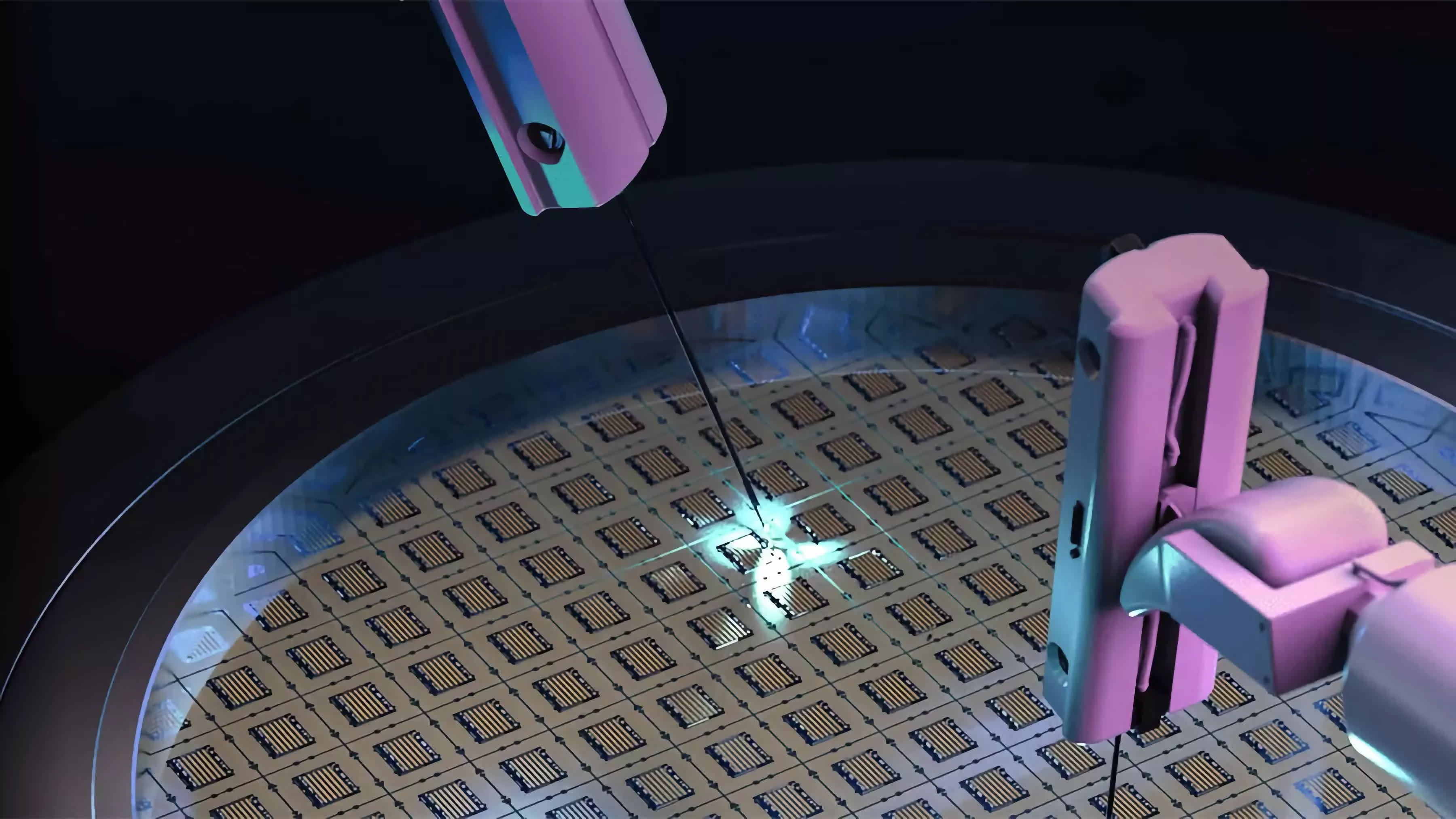
Samsung developing GAIA AI accelerator for PC market
PostLinkedIn
๐Ÿ‡จ๐Ÿ‡ณRead original on cnBeta (Full RSS)

๐Ÿ’กSamsung's entry into the PC AI chip market could shift the hardware landscape for local AI model deployment.

โšก 30-Second TL;DR

What Changed

Samsung LSI division is developing the GAIA AI accelerator chip.

Why It Matters

This move signals Samsung's intent to challenge current AI PC hardware leaders by integrating dedicated silicon for local AI processing.

What To Do Next

Monitor Samsung's LSI product roadmap for SDK releases that may allow developers to optimize local AI models for GAIA architecture.

Who should care:Developers & AI Engineers

Key Points

  • โ€ขSamsung LSI division is developing the GAIA AI accelerator chip.
  • โ€ขThe chip is specifically designed to provide high-efficiency AI compute for PCs.
  • โ€ขHP and Lenovo are currently conducting prototype testing for integration.

๐Ÿง  Deep Insight

AI-generated analysis for this event.

๐Ÿ”‘ Enhanced Key Takeaways

  • โ€ขThe GAIA accelerator is reportedly built on Samsung's 3nm Gate-All-Around (GAA) process technology, aiming to maximize performance-per-watt for NPU tasks.
  • โ€ขSamsung is positioning GAIA as a discrete AI accelerator to offload heavy local LLM processing from the CPU and integrated GPU, targeting the 'AI PC' market segment.
  • โ€ขThe architecture reportedly utilizes a chiplet-based design to allow for scalable memory bandwidth, potentially supporting LPDDR5X or specialized HBM configurations.
  • โ€ขIndustry reports suggest Samsung is targeting a TDP (Thermal Design Power) profile under 15W to ensure compatibility with thin-and-light laptop chassis.
  • โ€ขThe development of GAIA is part of Samsung's broader 'System LSI 2030' strategy to diversify its semiconductor revenue beyond mobile and memory into high-growth PC and server AI sectors.
๐Ÿ“Š Competitor Analysisโ–ธ Show
FeatureSamsung GAIAIntel Lunar Lake (NPU)Qualcomm Snapdragon X EliteNVIDIA GeForce RTX (Laptop)
ArchitectureDiscrete ChipletIntegrated SoCIntegrated SoCDiscrete GPU
Primary FocusEfficiency/OffloadGeneral PurposeMobile EfficiencyHigh-Perf AI/Gaming
Target TDP<15W15-30W20-45W35W+
AI PerformanceHigh (Dedicated)Moderate (Integrated)High (Integrated)Very High (Dedicated)

๐Ÿ› ๏ธ Technical Deep Dive

  • Architecture: Utilizes a modular chiplet design to decouple the NPU core from memory controllers.
  • Process Node: Fabricated on Samsung 3nm GAA (Gate-All-Around) process for improved transistor density and power efficiency.
  • Memory Interface: Supports high-bandwidth memory interfaces optimized for low-latency AI inference.
  • Power Management: Features dynamic voltage and frequency scaling (DVFS) specifically tuned for transformer-based model workloads.
  • Connectivity: Designed to interface via PCIe Gen5 or proprietary low-latency interconnects for seamless integration with host processors.

๐Ÿ”ฎ Future ImplicationsAI analysis grounded in cited sources

Samsung will challenge the dominance of integrated NPUs in the Windows PC market.
By providing a dedicated, high-efficiency accelerator, Samsung offers OEMs an alternative to relying solely on Intel or AMD's integrated AI capabilities.
The GAIA accelerator will drive a shift toward modular AI hardware in consumer laptops.
If successful, the chiplet-based design could encourage a trend of upgradeable or configurable AI compute modules in future PC designs.

โณ Timeline

2025-05
Samsung LSI announces strategic pivot to expand AI-focused semiconductor solutions for non-mobile platforms.
2025-11
Internal codename 'GAIA' first appears in supply chain reports regarding next-gen PC component testing.
2026-03
Samsung completes initial tape-out of GAIA prototype chips for internal validation.
2026-06
HP and Lenovo receive early-stage GAIA engineering samples for platform integration testing.
๐Ÿ“ฐ

Weekly AI Recap

Read this week's curated digest of top AI events โ†’

๐Ÿ‘‰Related Updates

AI-curated news aggregator. All content rights belong to original publishers.
Original source: cnBeta (Full RSS) โ†—