Russian Hackers Hijack Hotel Wi-Fi Networks
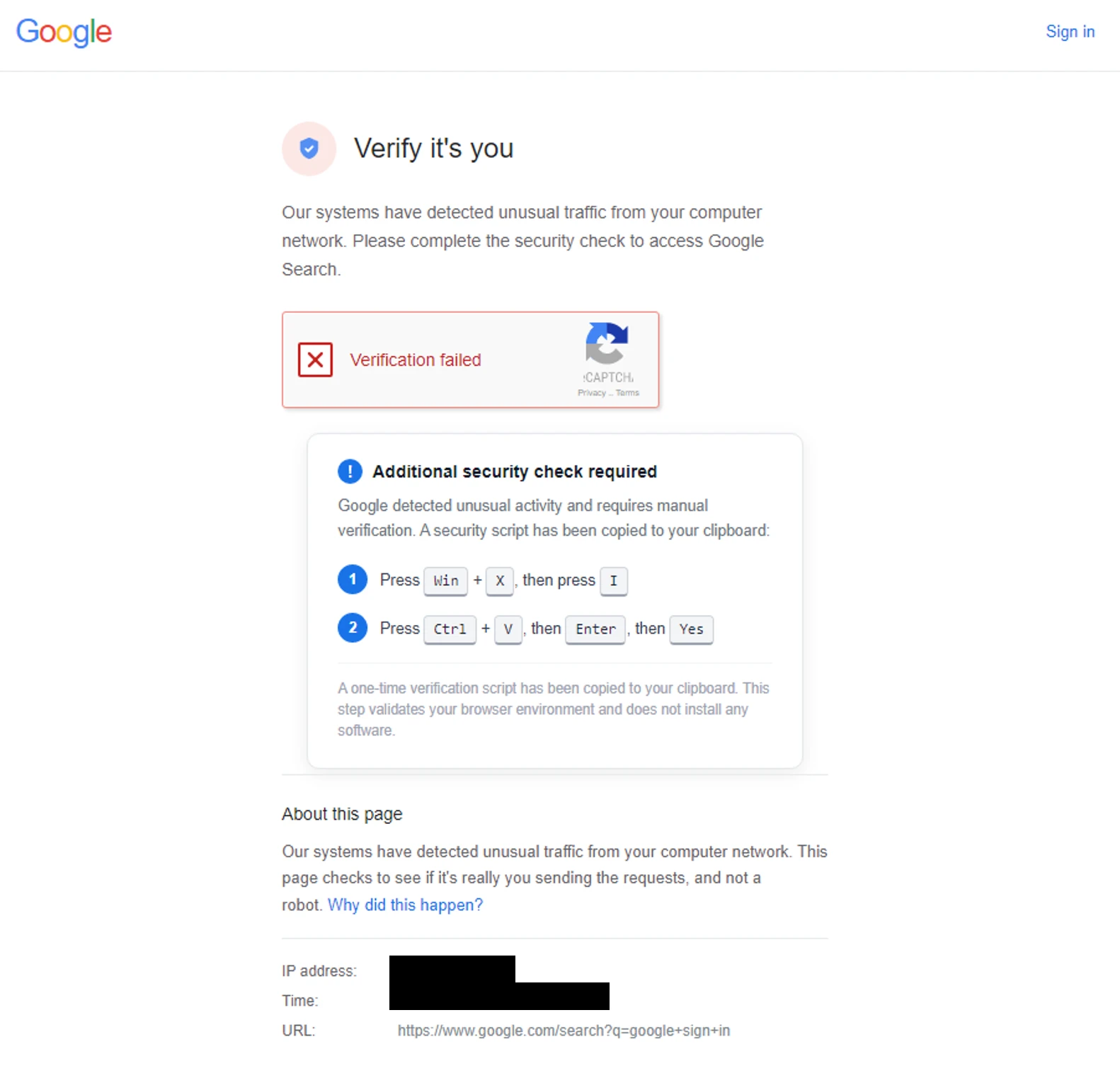
Hotel Wi-Fi can expose AI credentials and corporate systems through convincing login redirects.
30-Second TL;DR
What Changed
The campaign targets public Wi-Fi networks in hotels and conference centers.
Why It Matters
A compromised hotel network can become an initial access path into employee accounts, cloud services, and corporate environments. AI teams should treat travel connectivity as part of their security perimeter, especially when handling model credentials, source code, or production data.
What To Do Next
Require a corporate VPN with phishing-resistant MFA, such as FIDO2 security keys, before employees access cloud consoles or AI APIs from hotel Wi-Fi.
Key Points
- •The campaign targets public Wi-Fi networks in hotels and conference centers.
- •Attackers redirect users to fake authentication pages or malicious downloads.
- •Stolen credentials can enable broader access to corporate accounts and systems.
- •Business travelers face elevated risk when connecting to unfamiliar wireless networks.
Deep Insight
AI-generated analysis for this event — not the original article.
Enhanced Key Takeaways
- •The threat actor identified by Microsoft is tracked as 'Midnight Blizzard' (also known as Nobelium or APT29), a group historically linked to Russia's Foreign Intelligence Service (SVR).
- •The campaign utilizes a technique known as 'Evil Twin' access points, where attackers deploy rogue hardware or compromise legitimate hotel network infrastructure to intercept traffic.
- •Microsoft's investigation revealed that the attackers specifically target high-value individuals, including government officials, diplomats, and executives, rather than indiscriminate mass-hacking.
- •The malware deployed in these attacks often includes custom implants designed to maintain persistence on Windows devices even after the user disconnects from the malicious Wi-Fi.
- •Security researchers have observed the attackers leveraging 'browser-in-the-browser' (BitB) attacks, which create convincing fake pop-up windows to harvest multi-factor authentication (MFA) tokens.
Technical Deep Dive
- Attackers utilize rogue access points configured with the same SSID as the legitimate hotel network to perform Man-in-the-Middle (MitM) interceptions.
- Traffic is redirected via DNS hijacking or ARP spoofing to malicious servers hosting credential-harvesting portals.
- Payloads are often delivered as signed but malicious installers, bypassing basic signature-based antivirus detection.
- The campaign exploits vulnerabilities in outdated hotel gateway firmware to gain initial access to the network management layer.
- Post-compromise activity involves the use of living-off-the-land (LotL) binaries to evade detection by endpoint detection and response (EDR) systems.
Future ImplicationsAI analysis grounded in cited sources
Timeline
- 2020-12Microsoft identifies the SolarWinds supply chain attack attributed to the same threat actor, Nobelium.
- 2023-06Microsoft reports on Midnight Blizzard's evolving tactics in targeting cloud-based services and OAuth applications.
- 2024-01Microsoft discloses that Midnight Blizzard successfully breached its corporate email systems to access executive communications.
- 2026-05Microsoft begins tracking the specific hotel Wi-Fi hijacking campaign targeting high-value government and corporate travelers.
Weekly AI Recap
Read this week's curated digest of top AI events →
Related Updates

AI-curated news aggregator. All content rights belong to original publishers.
Original source: cnBeta (Full RSS) ↗
This is a summary, not the original. Read the source, or get the weekly briefing.
The weekly digest
One email a week. Unsubscribe anytime.