Research reveals privacy risks in free mobile VPN apps
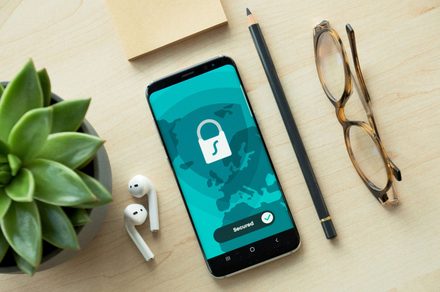
💡Critical security research showing how 'privacy' tools are failing to protect user data on Android.
⚡ 30-Second TL;DR
What Changed
281 free Android VPN apps analyzed for security
Why It Matters
This research serves as a warning for developers and users about the hidden costs of free security software. It emphasizes the need for rigorous security audits in the app ecosystem.
What To Do Next
If you are building security-focused tools, implement transparent open-source encryption protocols to build user trust.
Key Points
- •281 free Android VPN apps analyzed for security
- •Found widespread unencrypted traffic and data leaks
- •Apps often engage in invasive user tracking
🧠 Deep Insight
AI-generated analysis for this event — not the original article.
🔑 Enhanced Key Takeaways
- •Many of the analyzed apps were found to contain embedded third-party tracking libraries, often exceeding 10 distinct trackers per application.
- •A significant portion of the apps utilized outdated encryption protocols like PPTP or L2TP, which are considered cryptographically broken and vulnerable to interception.
- •Researchers identified that several apps were operating under 'shadow' ownership, where multiple VPN apps were traced back to the same parent company based in jurisdictions with weak data protection laws.
- •The study highlighted that 'free' VPNs frequently monetize by acting as exit nodes for residential proxy networks, effectively selling the user's bandwidth to third parties without explicit consent.
- •Analysis revealed that a subset of these apps requested excessive permissions, such as access to contacts, location, and device identifiers, which are unnecessary for VPN functionality.
📊 Competitor Analysis▸ Show
| Feature | Free VPN Apps (Analyzed) | Premium VPN Services | Enterprise VPN Solutions |
|---|---|---|---|
| Data Privacy | Often logs/sells data | Strict No-Logs Policy | Managed/Audited |
| Encryption | Weak/Outdated | AES-256 / ChaCha20 | AES-256 / IPsec |
| Monetization | Ads/Data Harvesting | Subscription Fees | Licensing Fees |
| Performance | High Latency/Throttling | Optimized/High Speed | Dedicated Bandwidth |
🛠️ Technical Deep Dive
- Use of insecure tunneling protocols: Many apps relied on PPTP (Point-to-Point Tunneling Protocol) which lacks modern encryption standards and is susceptible to MS-CHAPv2 authentication bypass.
- DNS Leakage: A common technical failure where the app fails to route DNS queries through the encrypted tunnel, exposing the user's browsing history to their ISP.
- Man-in-the-Middle (MitM) Vulnerabilities: Lack of proper SSL/TLS certificate pinning allowed attackers to intercept traffic between the client and the VPN server.
- Traffic Obfuscation Failures: Apps claiming to bypass censorship often failed to implement proper obfuscation, making VPN traffic easily identifiable via Deep Packet Inspection (DPI).
🔮 Future ImplicationsAI analysis grounded in cited sources
⏳ Timeline
Weekly AI Recap
Read this week's curated digest of top AI events →
👉Related Updates


AI-curated news aggregator. All content rights belong to original publishers.
Original source: Digital Trends ↗
This is a summary, not the original. Read the source, or get the weekly briefing.
Weekly AI briefing
One email a week. Unsubscribe anytime.