Pixel 11 Tensor G6 to drop Samsung modem
💡Hardware shifts in Google's custom silicon impact how AI models run on-device and communicate with cloud services.
⚡ 30-Second TL;DR
What Changed
Transition from Samsung to MediaTek modems
Why It Matters
Replacing the modem could significantly improve connectivity stability and power efficiency for Google's flagship devices, directly impacting AI-driven background tasks.
What To Do Next
If you develop network-intensive AI apps for Android, monitor how this hardware shift affects latency and connectivity in future Pixel devices.
Key Points
- •Transition from Samsung to MediaTek modems
- •Major architectural shift for Tensor G6 silicon
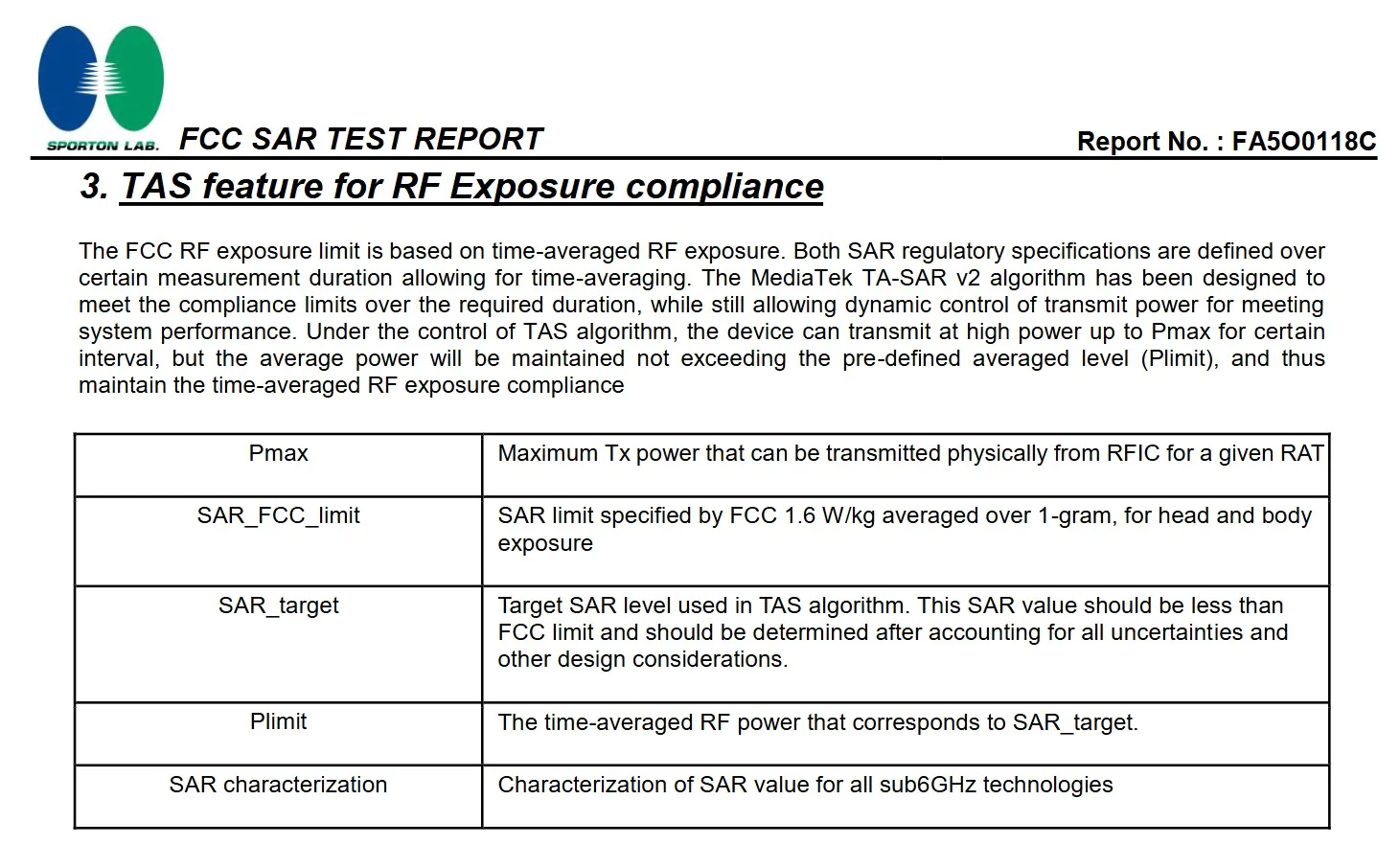
- •Evidence confirmed via recent FCC certification filings
🧠 Deep Insight
AI-generated analysis for this event — not the original article.
🔑 Enhanced Key Takeaways
- •The transition to MediaTek modems is expected to resolve long-standing connectivity and thermal efficiency complaints associated with the previous Samsung Exynos-based modem architecture.
- •Google's Tensor G6, codenamed 'Malibu', is reportedly the first fully custom-designed silicon from Google, moving away from the semi-custom Exynos foundation used in previous generations.
- •The shift to MediaTek hardware is anticipated to improve battery life during 5G standby and active data usage due to more efficient modem power management.
- •Industry analysts suggest this move aligns with Google's broader strategy to decouple its hardware ecosystem from Samsung's semiconductor division to gain better control over supply chain and performance tuning.
- •FCC filings reveal that the new modem integration involves a significant redesign of the Pixel 11's RF (Radio Frequency) front-end module to accommodate the MediaTek chipset.
📊 Competitor Analysis▸ Show
| Feature | Pixel 11 (Tensor G6) | iPhone 18 (A20 Pro) | Galaxy S26 (Snapdragon 8 Gen 5) |
|---|---|---|---|
| Modem Provider | MediaTek | Qualcomm | Qualcomm |
| Architecture | Custom Google Silicon | Apple Silicon | Qualcomm Oryon |
| Connectivity | Optimized 5G/Satellite | Advanced 5G/Satellite | Advanced 5G/Satellite |
🛠️ Technical Deep Dive
- The Tensor G6 utilizes a 3nm process node, likely manufactured by TSMC, marking a departure from Samsung Foundry.
- The MediaTek modem integration is expected to support 3GPP Release 18 standards, enhancing satellite connectivity and non-terrestrial network (NTN) performance.
- The new architecture features a redesigned NPU (Neural Processing Unit) optimized for on-device generative AI tasks, reducing reliance on cloud-based processing.
- The modem-to-SoC interface is shifting to a high-speed PCIe-based interconnect to reduce latency and improve data throughput compared to previous serial interfaces.
🔮 Future ImplicationsAI analysis grounded in cited sources
⏳ Timeline
Weekly AI Recap
Read this week's curated digest of top AI events →
👉Related Updates
AI-curated news aggregator. All content rights belong to original publishers.
Original source: cnBeta (Full RSS) ↗
This is a summary, not the original. Read the source, or get the weekly briefing.
The weekly digest
One email a week. Unsubscribe anytime.