Pine64 Freezes Linux Hardware Until Mid-2027
💡Pine64’s freeze is a warning for AI edge projects that depend on affordable Linux hardware.
⚡ 30-Second TL;DR
What Changed
Linux SBC, tablet, and phone manufacturing is frozen until at least mid-2027.
Why It Matters
AI developers using low-cost Linux boards for edge inference, prototyping, or device gateways may face longer hardware availability gaps. The decision also highlights how memory constraints can affect open-source hardware makers disproportionately.
What To Do Next
Inventory RAM-dependent Pine64 boards in your edge-AI roadmap and qualify PineTime or PineVoice only for microcontroller-class workloads.
Key Points
- •Linux SBC, tablet, and phone manufacturing is frozen until at least mid-2027.
- •The memory shortage is the primary cause of the manufacturing halt.
- •PineTime, PineVoice, and Pinecil remain available because they use microcontrollers.
🧠 Deep Insight
Background and context from public sources — not the original article. 28 sources cited.
🔑 Enhanced Key Takeaways
- •The manufacturing halt is specifically due to a severe shortage and skyrocketing prices of DRAM and eMMC components, which are critical for Pine64's Linux-based single-board computers, tablets, and phones.
- •The global memory shortage is primarily driven by an explosive demand for high-bandwidth memory (HBM) and high-capacity DDR5 from AI data centers, leading memory manufacturers to reallocate production capacity away from consumer-grade components.
- •Pine64 operates on a near-cost pricing model, making it unable to absorb the significant increase in component prices, unlike some competitors who have opted to raise product prices.
- •The eMMC/UFS segment, crucial for many of Pine64's devices, faces the tightest supply gap in the NAND market because its production capacity overlaps with higher-margin enterprise SSDs, making it a low priority for suppliers.
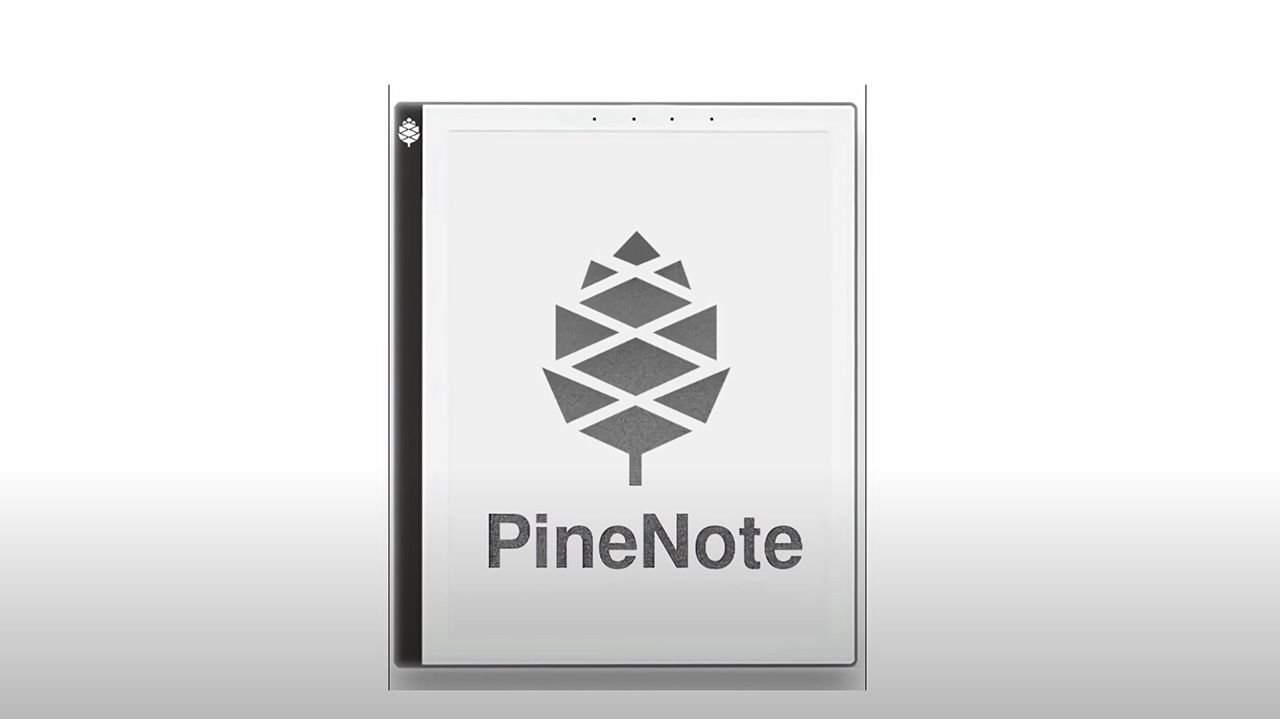
- •Existing stock of PineNote and PineTab2 is estimated to last only approximately three more months, after which availability is uncertain until at least mid-2027.
📊 Competitor Analysis▸ Show
Competitor Analysis: Pine64 vs. Key Linux Hardware Competitors
| Feature / Product | Pine64 (Affected Linux Devices) | Purism Librem 5 | Raspberry Pi 5 |
|---|---|---|---|
| Product Focus | Low-cost, open-source Linux SBCs, phones (PinePhone Pro), tablets (PineTab2), laptops (Pinebook Pro) for developers & enthusiasts. | Premium, privacy-focused Linux smartphone (PureOS). | Low-cost, high-performance SBCs for hobbyists, education, and industrial use. |
| Primary SoC | Rockchip RK3399S (PinePhone Pro, Pinebook Pro), Rockchip RK3566 (PineTab2), Allwinner A64 (PinePhone, PineTab). | NXP i.MX 8M Quad. | Broadcom BCM2712 (quad-core Cortex-A76). |
| RAM | 2GB/3GB LPDDR3 (PinePhone), 4GB LPDDR4 (PinePhone Pro, Pinebook Pro), 2GB LPDDR3 (PineTab), 8GB LPDDR4 (PineTab2). | 3GB LPDDR4. | 4GB or 8GB LPDDR4X. |
| Storage | 16GB/32GB eMMC (PinePhone), 128GB eMMC (PinePhone Pro, PineTab2, Pinebook Pro), 64GB eMMC (PineTab). | 32GB eMMC, M.2 slot. | MicroSD, PCIe 2.0 x1 for NVMe SSD. |
| Pricing Strategy | Near-cost, community-driven. | Premium (~$799 - $1,299). | Low-cost, but has seen repeated price increases due to shortages. |
| Supply Chain Response to Shortage | Halted production of affected Linux devices until mid-2027 due to inability to absorb increased memory costs. | Experienced past shipping delays; high cost reflects component sourcing. | Raised prices repeatedly (e.g., Pi 5 16GB to $205), leaned on older LPDDR2 for legacy boards. |
| Privacy Features | Physical kill switches for modem, WiFi/BT, microphone, cameras. | Physical kill switches for WiFi/BT, cellular, microphone, cameras, and more. | N/A (SBC focus). |
| Target Audience | Open-source developers, Linux enthusiasts, hobbyists. | Privacy-conscious users, open-source advocates. | Hobbyists, educators, embedded systems developers. |
🛠️ Technical Deep Dive
- Affected Memory Types: The production halt is specifically attributed to shortages of DRAM (Dynamic Random-Access Memory) and eMMC (embedded MultiMediaCard) components.
- Global Shortage Drivers: The current global memory shortage is largely driven by the rapid expansion of AI infrastructure and workloads. Data centers require vast quantities of high-performance memory, such as High-Bandwidth Memory (HBM) and high-capacity DDR5, leading major memory manufacturers to prioritize these higher-margin components.
- eMMC Specifics: The eMMC/UFS segment faces a particularly tight supply gap because its production capacity overlaps with that of higher-margin enterprise SSDs. This makes eMMC a lower priority for suppliers, exacerbating availability issues and driving up prices significantly (e.g., 8GB eMMC modules reportedly rose from $1.50 to $20 in a year).
- PinePhone Pro Memory: The PinePhone Pro features 4GB of LPDDR4 RAM operating at 800MHz and 128GB of eMMC internal storage. It is powered by a Rockchip RK3399S 64-bit SoC, which includes two ARM Cortex-A72 and four ARM Cortex-A53 CPU cores.
- PineTab2 Memory: The PineTab2 is equipped with 8GB of LPDDR4 SDRAM and 128GB of eMMC internal flash memory. Its platform is a Rockchip RK3566 SoC, featuring a 64-bit Quad-core 1.8 GHz ARM Cortex-A55 CPU.
- Pinebook Pro Memory: The Pinebook Pro includes 4GB LPDDR4 system memory and utilizes eMMC storage (up to 128GB flash storage module). Its core is the Rockchip RK3399 SoC, with a big.LITTLE architecture comprising dual Cortex-A72 and quad Cortex-A53 CPU cores.
- PinePhone (Original) Memory: The original PinePhone typically came with 2GB or 3GB LPDDR3 SDRAM and 16GB or 32GB eMMC internal storage, based on the Allwinner A64 SoC.
- PineTab (Original) Memory: The original PineTab included 2GB LPDDR3 RAM and 64GB eMMC flash storage, powered by an Allwinner A64 Quad-Core SoC.
🔮 Future ImplicationsAI analysis grounded in cited sources
⏳ Timeline
📎 Sources (28)
Factual claims are grounded in the sources below. Forward-looking analysis is AI-generated interpretation.
- linuxiac.com
- slashdot.org
- tomshardware.com
- hackster.io
- itsfoss.com
- nerds.xyz
- rmonnetworks.com
- hp.com
- idc.com
- enkiai.com
- unisystem.com
- omgubuntu.co.uk
- fossbytes.com
- wikipedia.org
- pine64.org
- pine64.org
- pine64.com
- pine64.org
- pine64.com
- pine64.org
- zdnet.com
- pine64.org
- pine64.org
- linuxgizmos.com
- accio.com
- puri.sm
- lwn.net
- hackaday.com
Weekly AI Recap
Read this week's curated digest of top AI events →
👉Related Updates



AI-curated news aggregator. All content rights belong to original publishers.
Original source: Tom's Hardware ↗
This is a summary, not the original. Read the source, or get the weekly briefing.
Weekly AI briefing
One email a week. Unsubscribe anytime.