Physical AI Cuts Industrial Team from 12 to 1
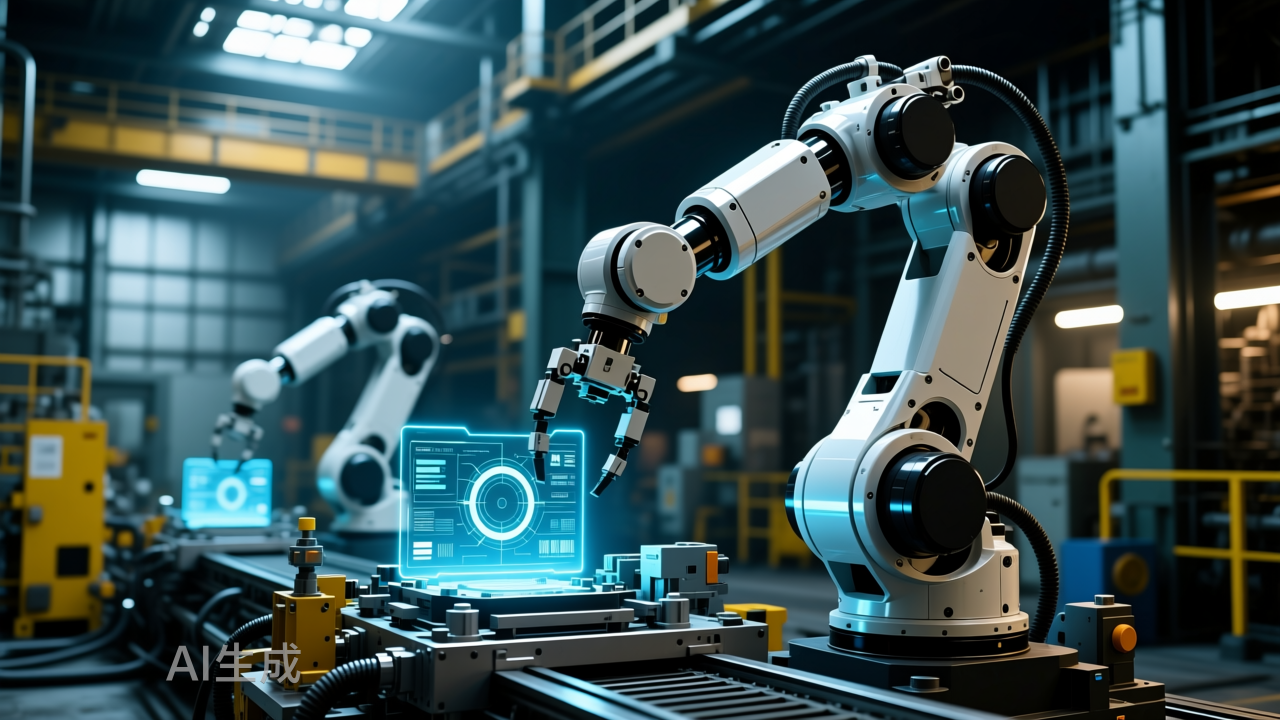
💡Physical AI slashes industrial labor 92%—key for enterprise automation shifts
⚡ 30-Second TL;DR
What Changed
Workforce reduction from 12 people to 1 in industrial tasks
Why It Matters
This could accelerate automation in high-risk industries, reducing costs and improving safety, but may displace jobs requiring reskilling.
What To Do Next
Prototype physical AI robots like Unitree for dangerous task automation in your ops.
Key Points
- •Workforce reduction from 12 people to 1 in industrial tasks
- •Targets dangerous operational scenarios for human replacement
- •Physical AI deployment revolutionizing industrial efficiency
🧠 Deep Insight
AI-generated analysis for this event — not the original article.
🔑 Enhanced Key Takeaways
- •The shift is primarily driven by the integration of multimodal foundation models into robotic control systems, allowing for zero-shot task generalization in unstructured industrial environments.
- •Economic analysis indicates that the reduction in headcount is largely attributed to the elimination of multi-shift human oversight, as the AI systems enable 24/7 autonomous operation without the need for human safety breaks.
- •Regulatory bodies in major manufacturing hubs are currently fast-tracking safety certification protocols specifically for 'Physical AI' agents to address liability concerns in high-risk, human-free zones.
🔮 Future ImplicationsAI analysis grounded in cited sources
Weekly AI Recap
Read this week's curated digest of top AI events →
👉Related Updates

AI-curated news aggregator. All content rights belong to original publishers.
Original source: 钛媒体 ↗
This is a summary, not the original. Read the source, or get the weekly briefing.
The weekly digest
One email a week. Unsubscribe anytime.