Pet industry shifts from population growth to consumption depth
💡Understand the shift in pet consumption patterns to identify new AI-driven service opportunities.
⚡ 30-Second TL;DR
What Changed
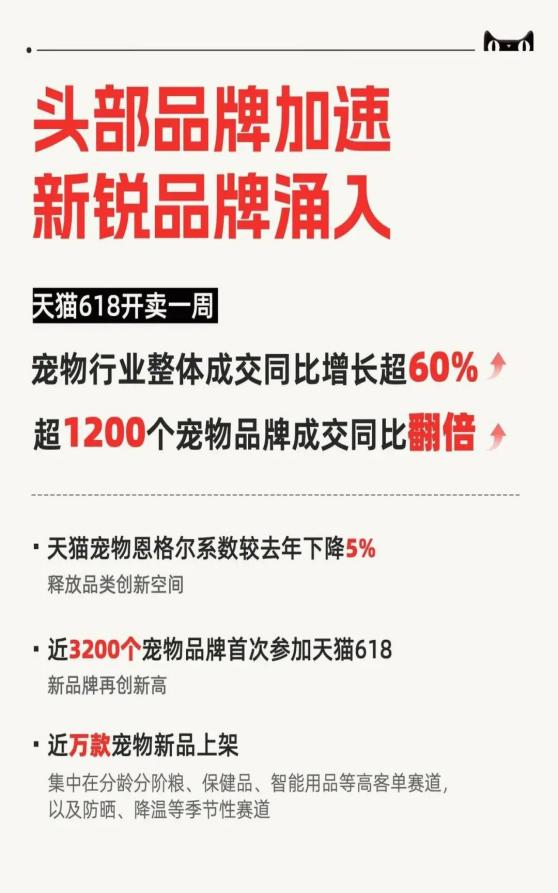
Market growth is now driven by 'fine-grained' care and specialized products like geriatric pet food.
Why It Matters
The shift toward 'fine-grained' care creates opportunities for AI-driven pet health monitoring and personalized nutrition recommendation engines.
What To Do Next
If building for the pet sector, prioritize data-driven health monitoring features over generic e-commerce tools.
Key Points
- •Market growth is now driven by 'fine-grained' care and specialized products like geriatric pet food.
- •Established food and dairy companies are entering the market to find new growth curves.
- •The industry is shifting from emotional, population-driven growth to industrial capital-driven competition.
🧠 Deep Insight
Background and context from public sources — not the original article. 14 sources cited.
🔑 Enhanced Key Takeaways
- •The demand for specialized pet products extends to advanced health supplements for cardiovascular, weight, eye, and liver/kidney issues, along with traditional Chinese herbal ingredients in pet food, reflecting a shift towards science-backed nutrition and functional ingredients.
- •Major Chinese conglomerates, including liquor maker Kweichow Moutai, pork producers Wens Foodstuff and WH Group, dairy giants Mengniu and Yili, and drugmaker Yunnan Baiyao Group, have diversified into the pet food sector, leveraging their existing supply chains and R&D for new growth.
- •The market is seeing significant capital investment, with dedicated provincial funds and increased venture capital in pet food, driving competition and fostering an ecosystem of startups in pet tech, logistics, and veterinary services.
- •Chinese domestic pet food brands are increasingly challenging international players by offering higher animal protein content, diverse flavors, attractive packaging, and aggressive e-commerce strategies, leading to a shift in market share.
- •Beyond food, the 'fine-grained care' trend includes a surge in pet tech (smart feeders, trackers, cameras) and luxury services (pet hotels, spas), indicating a comprehensive humanization of pet care.
🛠️ Technical Deep Dive
- Specialized pet food formulations include grain-free, hypoallergenic, breed-specific, raw, and functional products designed to address specific health concerns such as allergies, digestive health, joint mobility, and skin and coat care.
- Traditional Chinese ingredients like goji berries and Chinese herbs are being incorporated into pet nutrition products.
- Biotechnology suppliers are providing functional ingredients such as enzymes (e.g., keratinase for hairball management in cats) and probiotic blends to improve digestive health and immunity in pets.
- Pet technology encompasses smart devices like automatic food and water dispensers, electronic collars, home camera setups for remote monitoring, GPS trackers, and health-monitoring collars.
- Local brands are utilizing AI-driven recommendations to offer personalized pet nutrition advice.
🔮 Future ImplicationsAI analysis grounded in cited sources
⏳ Timeline
📎 Sources (14)
Factual claims are grounded in the sources below. Forward-looking analysis is AI-generated interpretation.
Weekly AI Recap
Read this week's curated digest of top AI events →
👉Related Updates


AI-curated news aggregator. All content rights belong to original publishers.
Original source: 虎嗅 ↗
This is a summary, not the original. Read the source, or get the weekly briefing.
Weekly AI briefing
One email a week. Unsubscribe anytime.