Pentagon blacklist expands, threatening Chinese tech investment
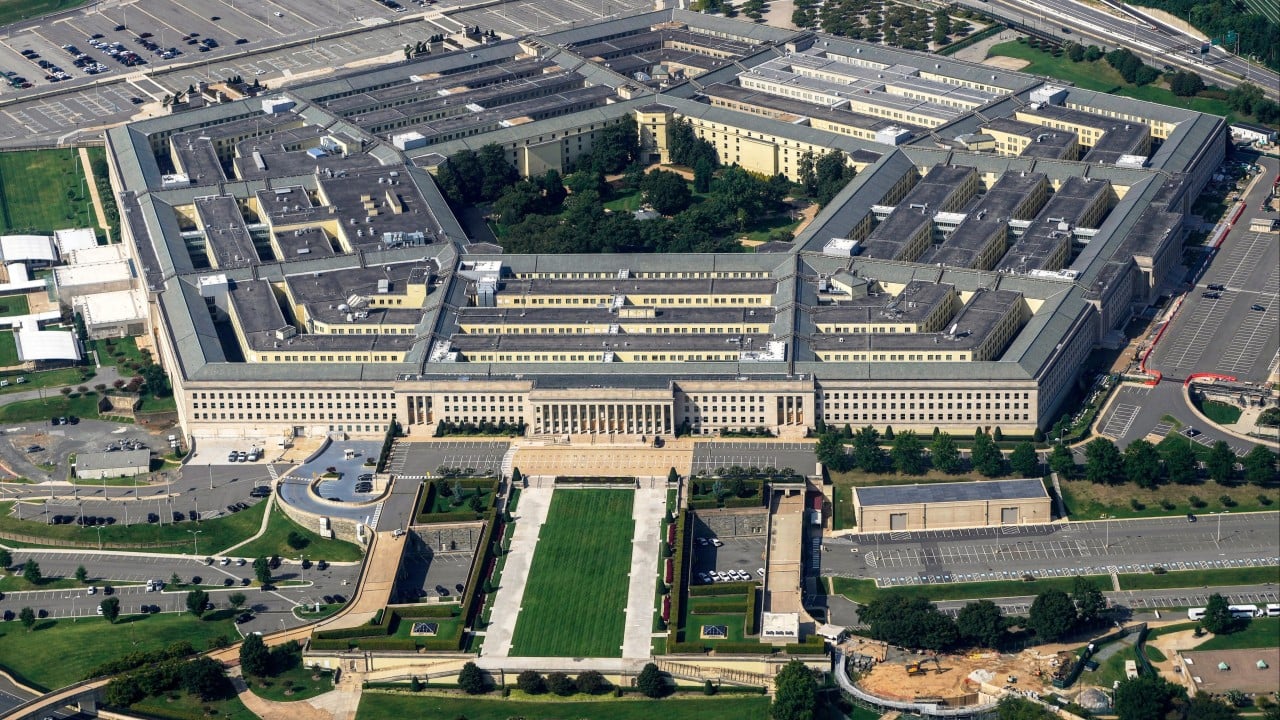
💡Understand how new US defense policies on Chinese tech firms could disrupt your AI supply chain and funding.
⚡ 30-Second TL;DR
What Changed
Pentagon updated the list of 'Chinese military companies' under Section 1260H.
Why It Matters
This policy shift creates significant uncertainty for AI startups and tech firms relying on cross-border venture capital. It may force a decoupling of supply chains and research collaborations between US and Chinese AI entities.
What To Do Next
Review your supply chain and investor base to ensure no partners are currently on or at risk of being added to the US Department of Defence 1260H blacklist.
Key Points
- •Pentagon updated the list of 'Chinese military companies' under Section 1260H.
- •Designated firms face heightened scrutiny and potential US investment bans.
- •Legal experts warn of long-term reputational damage and restricted access to global capital markets.
🧠 Deep Insight
Background and context from public sources — not the original article. 17 sources cited.
🔑 Enhanced Key Takeaways
- •Section 1260H of the National Defense Authorization Act (NDAA) for Fiscal Year 2021 mandates the US Department of Defense (DoD) to annually publish a list of 'Chinese military companies' operating directly or indirectly in the United States, a requirement that will continue until December 31, 2030.
- •The criteria for designating a company under Section 1260H include being directly or indirectly owned, controlled by, or acting on behalf of the People's Liberation Army (PLA) or any organization under the Central Military Commission, or being identified as a 'military-civil fusion contributor' to the Chinese defense industrial base.
- •While initial inclusion on the 1260H list primarily caused reputational damage, the NDAA for FY 2024 introduced concrete prohibitions, barring the DoD from directly contracting with listed entities starting June 30, 2026, and extending to indirect procurement through supply chains by June 30, 2027.
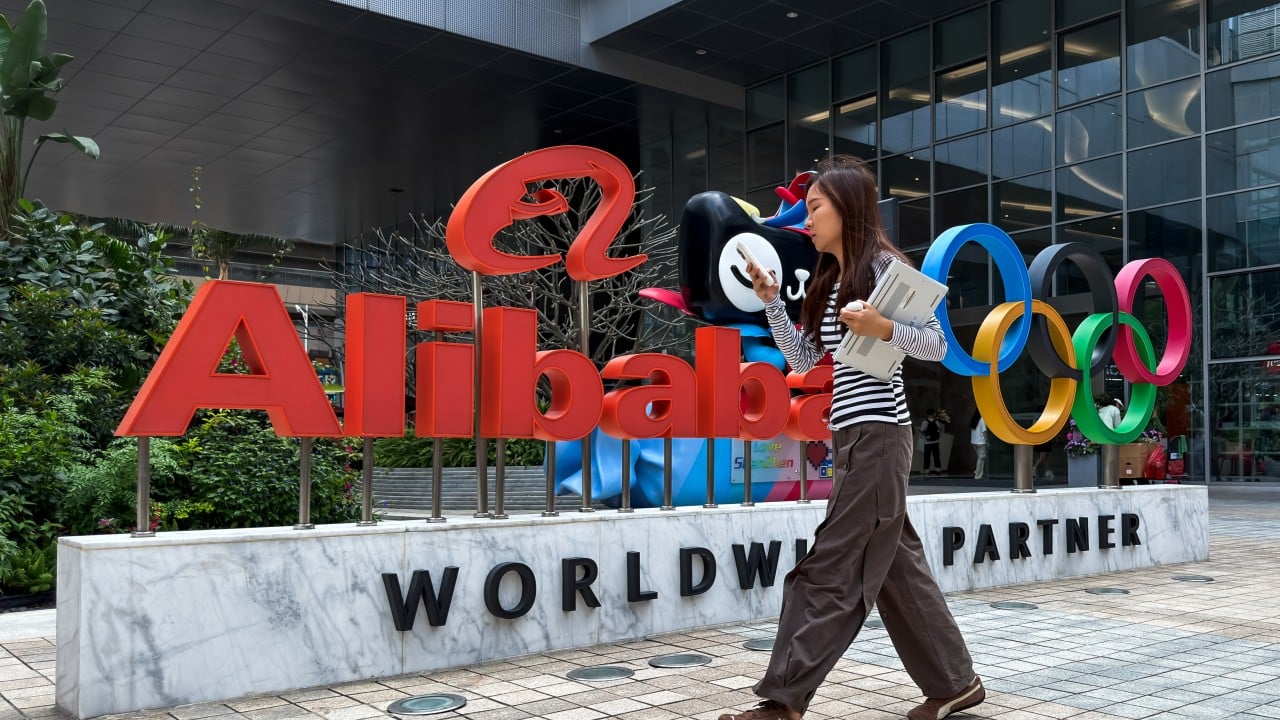
- •The latest expansion of the list, which now totals 188 companies, includes major Chinese technology firms such as Alibaba, Baidu, BYD, and Nio, significantly broadening the scope of targeted sectors to include artificial intelligence, electric vehicles, robotics, biotech, and advanced manufacturing.
- •The 1260H list is distinct from other US government restriction lists, such as the Commerce Department's Entity List or the Treasury Department's Specially Designated Nationals (SDN) List, though designation on the 1260H list can often precede or parallel more punitive sanctions from other agencies.
🔮 Future ImplicationsAI analysis grounded in cited sources
⏳ Timeline
📎 Sources (17)
Factual claims are grounded in the sources below. Forward-looking analysis is AI-generated interpretation.
Weekly AI Recap
Read this week's curated digest of top AI events →
👉Related Updates
AI-curated news aggregator. All content rights belong to original publishers.
Original source: SCMP Technology ↗
This is a summary, not the original. Read the source, or get the weekly briefing.
The weekly digest
One email a week. Unsubscribe anytime.