OpenAI Pays $3.2M Over Hiring Discrimination Claims
A $3.2M DOJ action signals costly hiring-compliance risks for fast-scaling AI companies.
30-Second TL;DR
What Changed
The DOJ obtained $3.2 million from OpenAI.
Why It Matters
The payment could increase scrutiny of OpenAI's hiring practices and encourage stronger compliance controls across AI startups. Founders and enterprise leaders should treat recruiting fairness as a material operational and reputational risk.
What To Do Next
Audit your hiring funnel for disparate-impact risks and document human review of every automated screening or ranking tool.
Key Points
- •The DOJ obtained $3.2 million from OpenAI.
- •The action concerns allegations of hiring discrimination.
- •The case highlights employment-compliance risks for AI companies scaling their workforces.
Deep Insight
AI-generated analysis for this event — not the original article.
Enhanced Key Takeaways
- •The settlement specifically addresses allegations that OpenAI's non-disclosure agreements (NDAs) and separation agreements discouraged employees from reporting potential legal violations to federal agencies.
- •The DOJ investigation focused on provisions that required employees to waive their right to receive monetary awards for providing information to government regulators.
- •OpenAI has agreed to implement a comprehensive compliance program, including mandatory training for employees and revisions to its standard employment contracts.
- •This enforcement action is part of a broader DOJ initiative aimed at ensuring that corporate employment agreements do not impede whistleblower protections under the False Claims Act and other statutes.
- •The settlement requires OpenAI to notify former employees who signed restrictive agreements that those specific provisions are no longer enforceable.
Future ImplicationsAI analysis grounded in cited sources
Timeline
- 2023-06DOJ initiates broader review of corporate employment agreements regarding whistleblower interference.
- 2025-11DOJ investigation into OpenAI's employment and separation agreements becomes public.
- 2026-08OpenAI reaches a $3.2 million settlement with the DOJ to resolve claims.
Event Coverage
Weekly AI Recap
Read this week's curated digest of top AI events →
Related Updates
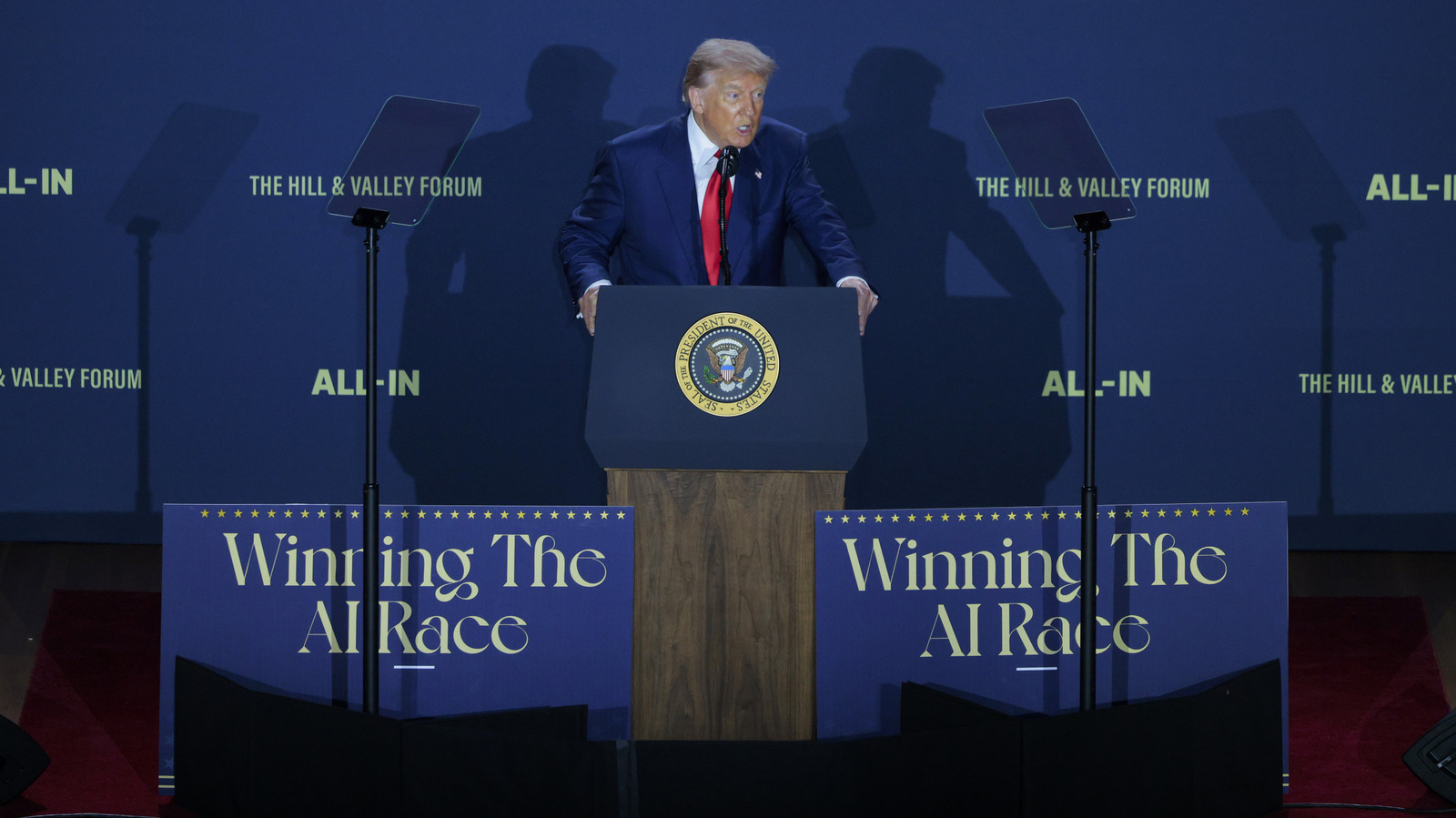
AI-curated news aggregator. All content rights belong to original publishers.
Original source: Engadget ↗
This is a summary, not the original. Read the source, or get the weekly briefing.
The weekly digest
One email a week. Unsubscribe anytime.