OpenAI Launches 3 New AI Voice Models
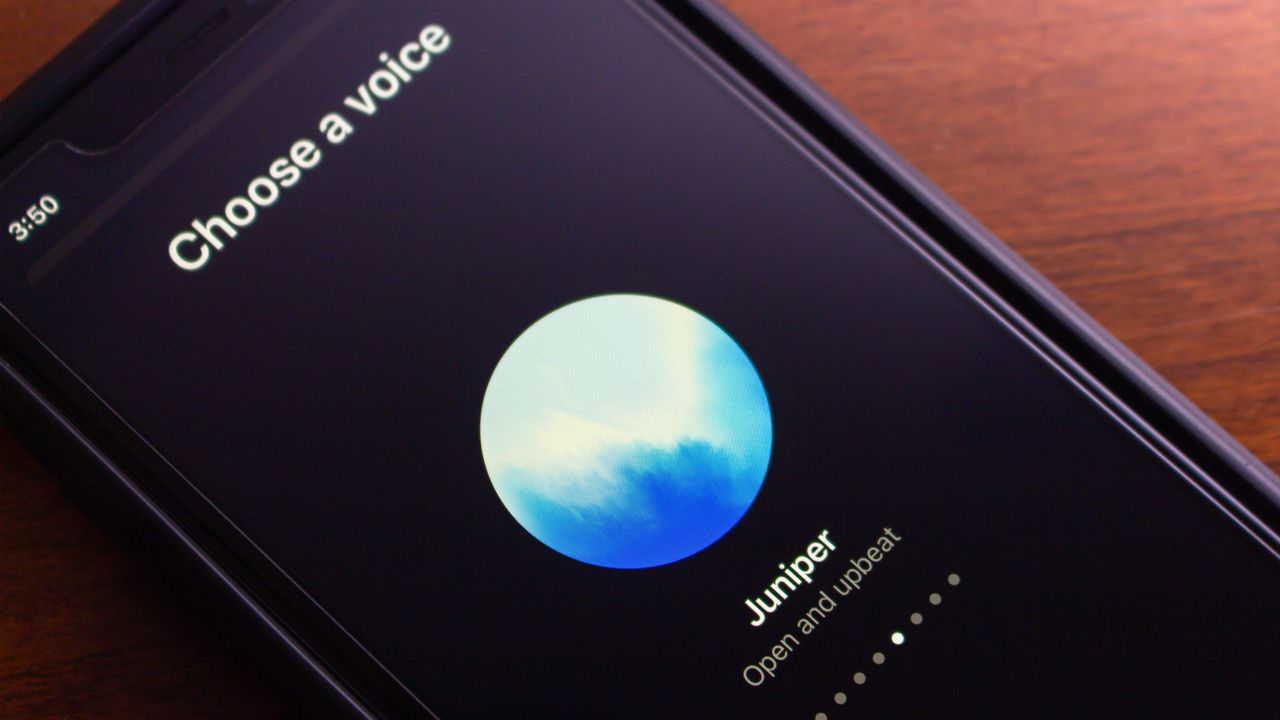
💡OpenAI's 3 new voice models unlock dev apps with reasoning+translation – build now!
⚡ 30-Second TL;DR
What Changed
OpenAI released 3 new AI voice models
Why It Matters
This release equips developers with specialized voice AI, accelerating innovation in conversational agents and real-time audio processing apps. It positions OpenAI as a leader in multimodal AI, potentially increasing adoption in enterprise voice solutions.
What To Do Next
Check OpenAI's developer platform for the new voice models API to prototype voice apps today.
Key Points
- •OpenAI released 3 new AI voice models
- •Models enable deep reasoning, translation, and transcription
- •Targeted at unlocking new voice apps for developers
🧠 Deep Insight
AI-generated analysis for this event — not the original article.
🔑 Enhanced Key Takeaways
- •The new models, branded as the 'Omni-Voice' series, utilize a native multimodal architecture that processes audio input directly without converting it to text first, significantly reducing latency.
- •OpenAI has introduced a new 'Voice-to-Voice' API endpoint that allows developers to stream low-latency audio directly into the models, bypassing traditional transcription-based workflows.
- •The models include built-in emotional inflection and prosody control, allowing developers to programmatically adjust the tone, speed, and emphasis of the generated speech.
📊 Competitor Analysis▸ Show
| Feature | OpenAI Omni-Voice | Google Gemini Live | ElevenLabs Conversational AI |
|---|---|---|---|
| Architecture | Native Multimodal | Multimodal (Text-first) | Text-to-Speech/Speech-to-Text pipeline |
| Latency | Ultra-low (Direct Audio) | Low (Text-mediated) | Moderate (API-mediated) |
| Reasoning | Integrated Deep Reasoning | Integrated Deep Reasoning | Limited (Requires LLM integration) |
| Pricing | Usage-based (Token/Audio) | Usage-based (API) | Subscription/Usage-based |
🛠️ Technical Deep Dive
- •Architecture: Utilizes a unified transformer-based model that handles audio tokens, text tokens, and image tokens in a single latent space.
- •Latency: Achieves sub-200ms round-trip time by eliminating the intermediate ASR (Automatic Speech Recognition) and TTS (Text-to-Speech) processing steps.
- •Reasoning: Incorporates 'Chain-of-Thought' audio processing, allowing the model to 'think' in audio tokens before generating a response.
- •API Implementation: Supports WebSockets for full-duplex streaming, enabling real-time interruptions and barge-in capabilities.
🔮 Future ImplicationsAI analysis grounded in cited sources
⏳ Timeline
Weekly AI Recap
Read this week's curated digest of top AI events →
👉Related Updates


AI-curated news aggregator. All content rights belong to original publishers.
Original source: TechRadar AI ↗
This is a summary, not the original. Read the source, or get the weekly briefing.
Weekly AI briefing
One email a week. Unsubscribe anytime.