📱Engadget•Freshcollected in 49m
OpenAI launches a physical keypad for controlling agents
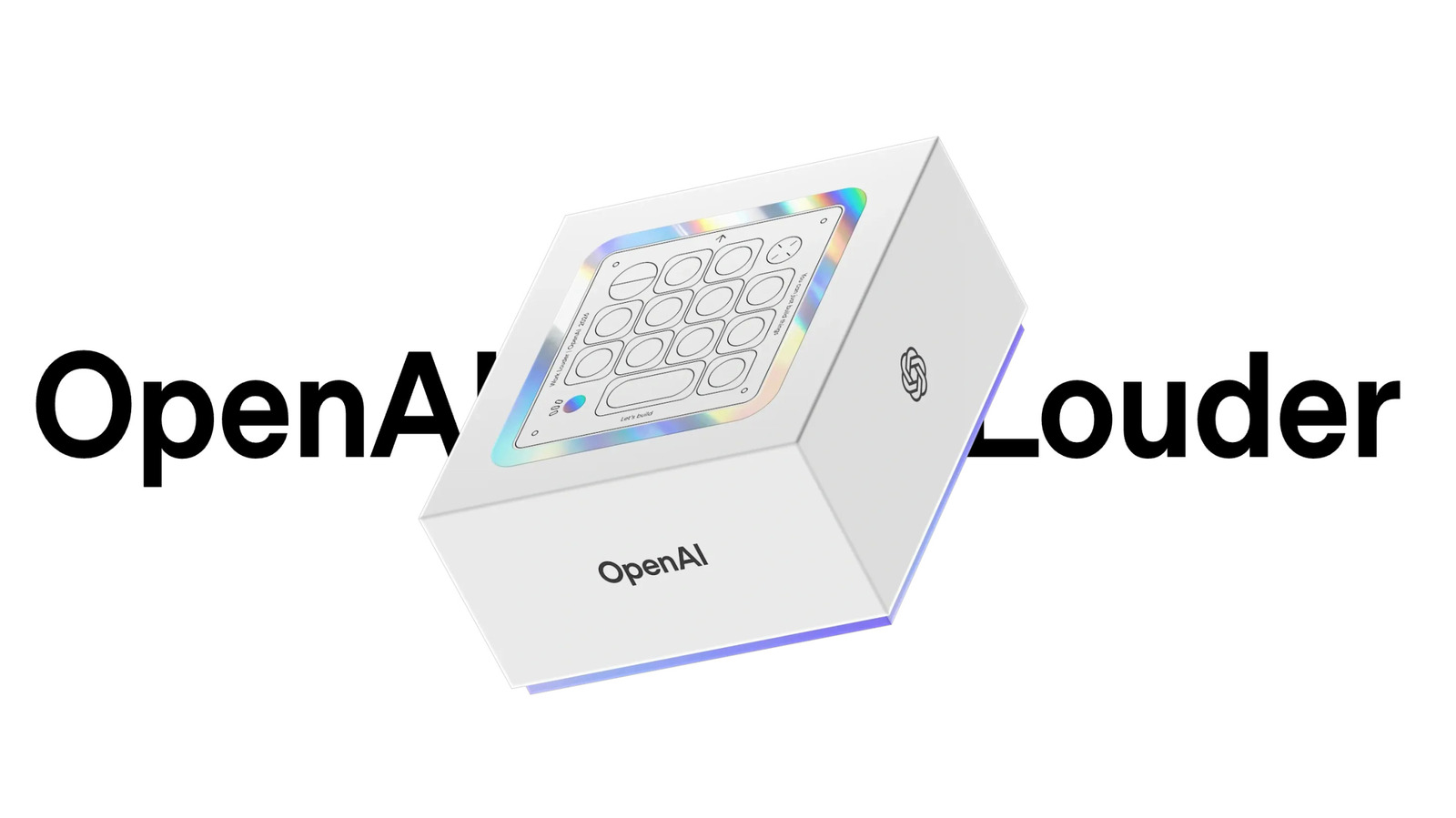
💡Explore how specialized hardware interfaces are being built to streamline human-to-AI agent interaction.
⚡ 30-Second TL;DR
What Changed
Collaboration between OpenAI and Work Louder
Why It Matters
This signals a trend toward 'embodied' or specialized hardware for AI power users, potentially improving efficiency for agent-based workflows.
What To Do Next
Evaluate if your agentic workflows require custom hardware macros to improve human-in-the-loop efficiency.
Who should care:Developers & AI Engineers
Key Points
- •Collaboration between OpenAI and Work Louder
- •Dedicated hardware interface for AI agent workflows
- •Available for immediate purchase
🧠 Deep Insight
AI-generated analysis for this event.
🔑 Enhanced Key Takeaways
- •The device, branded as the 'OpenAI x Work Louder Creator Board,' features a modular design allowing users to swap mechanical switches and keycaps to customize agent-triggering workflows.
- •It utilizes a proprietary firmware layer that integrates directly with OpenAI's API, enabling low-latency execution of agentic tasks without requiring a browser-based interface.
- •The keypad includes a dedicated 'Agent Mode' toggle that shifts the device from standard macro inputs to context-aware AI command processing based on the active desktop application.
- •OpenAI has released an open-source SDK alongside the hardware, allowing developers to map custom Python scripts to specific physical keys for local agent orchestration.
- •The partnership leverages Work Louder's existing 'Creator Board' architecture, which was previously marketed to creative professionals, now repurposed with OpenAI-specific branding and pre-configured keymaps.
📊 Competitor Analysis▸ Show
| Feature | OpenAI x Work Louder | Elgato Stream Deck + | Loupedeck Live S |
|---|---|---|---|
| Primary Focus | AI Agent Orchestration | Content Creation/Streaming | Creative Software Control |
| Pricing | $249 (Estimated) | $199 | $189 |
| AI Integration | Native API/SDK | Plugin-based | Plugin-based |
🛠️ Technical Deep Dive
- Connectivity: USB-C wired connection with support for HID (Human Interface Device) protocol for zero-latency input.
- Switch Type: Hot-swappable mechanical switches (compatible with Cherry MX style).
- Firmware: Custom QMK-based firmware with OpenAI-specific API hooks for direct agent communication.
- Programmability: Supports JSON-based key mapping files for complex agent workflows.
- Compatibility: Native drivers for macOS and Windows, with experimental Linux support via the open-source SDK.
🔮 Future ImplicationsAI analysis grounded in cited sources
Hardware-level AI control will become a standard requirement for enterprise agent deployment.
Physical interfaces reduce cognitive load and context switching, which are primary bottlenecks in complex, multi-agent enterprise workflows.
OpenAI will transition from a software-only company to a vertically integrated AI hardware ecosystem.
The release of specialized peripherals suggests a strategy to control the full stack of AI interaction, from model to physical input.
⏳ Timeline
2025-03
OpenAI announces the expansion of its 'Agentic Research' division.
2025-11
OpenAI releases the first public beta of its desktop agent framework.
2026-05
OpenAI and Work Louder initiate a strategic partnership for hardware development.
2026-07
Official launch of the OpenAI x Work Louder physical keypad.
📰
Weekly AI Recap
Read this week's curated digest of top AI events →
👉Related Updates


AI-curated news aggregator. All content rights belong to original publishers.
Original source: Engadget ↗