OpenAI developing specialized ChatGPT plan for research institutions
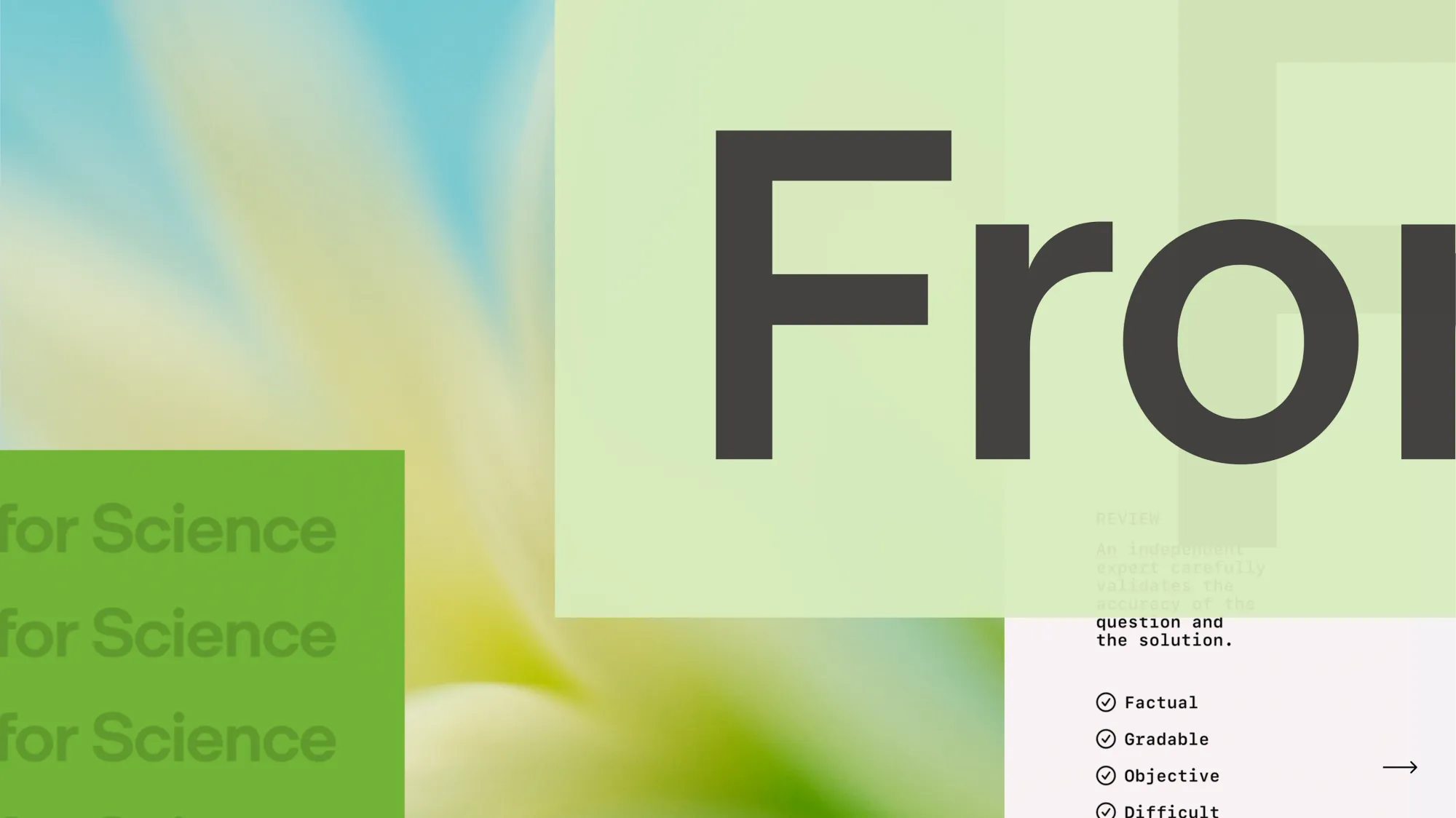
💡Learn how OpenAI is tailoring its LLM infrastructure to meet the specific compliance and data needs of researchers.
⚡ 30-Second TL;DR
What Changed
Targeted at universities and research institutions
Why It Matters
This move signals OpenAI's intent to capture the academic research market, potentially replacing generic LLM usage with specialized, high-compliance tools for scientists.
What To Do Next
Monitor the OpenAI enterprise portal for waitlist signups if your organization conducts high-volume R&D.
Key Points
- •Targeted at universities and research institutions
- •Tailored features for R&D teams across disciplines
- •Expansion of OpenAI's enterprise-grade subscription offerings
🧠 Deep Insight
Background and context from public sources — not the original article. 20 sources cited.
🔑 Enhanced Key Takeaways
- •The new "ChatGPT for Science" plan is distinct from the existing ChatGPT Edu, which launched in May 2024 and provides an affordable, enterprise-level AI solution for universities powered by GPT-4o, including advanced data analysis and custom GPTs for campus use.
- •This specialized science plan may include a "science-oriented model," potentially a separately trained system or a tuned variant of OpenAI's frontier models, and is expected to focus on disciplines such as biology, chemistry, physics, and materials.
- •OpenAI has demonstrated a broader strategic commitment to academic and scientific integration through initiatives like the $50 million NextGenAI research consortium (March 2025) and the "Education for Countries" program (early 2026), alongside hiring specialized talent like Stanford AI researcher Benjamin Leiva (June 2026) to build AI learning systems.
- •The company's existing enterprise offerings, such as ChatGPT Enterprise, already provide features like unlimited high-speed access to advanced models (GPT-4o, GPT-5), 128K-196K token context windows, and advanced data analysis capabilities, which the science plan is likely to build upon.
📊 Competitor Analysis▸ Show
| Feature/Pricing/Benchmarks | OpenAI (ChatGPT for Science/Edu/Enterprise) | Google Gemini (Deep Research) | Anthropic Claude (Research Mode/Enterprise) | Perplexity AI (Academic Focus) | Elicit (Academic Research) |
|---|---|---|---|---|---|
| Target Audience | Universities, R&D teams, educational institutions, large organizations | General users, researchers, Google ecosystem users | General users, enterprises, long document analysis | Real-time research with citations, academic focus | Literature reviews, data extraction, academic research |
| Core Models | GPT-4o, GPT-5 (Enterprise), potentially science-oriented model | Gemini models | Claude models | Proprietary models, integrates with others | Proprietary models |
| Context Window | Up to 196K tokens (GPT-5.5 Thinking for Enterprise) | Not explicitly stated for "Deep Research" but generally large | 200K tokens (Enterprise) | Not explicitly stated, but designed for real-time search | Not explicitly stated, but designed for large document analysis |
| Data Privacy | Not used for model training by default (Enterprise/Edu) | Data submitted may be used for model training unless opted out (Free/Plus) | Emphasizes safety and security | Not explicitly stated for academic focus, but generally aims for reliability | Not explicitly stated |
| Specialized Research Features | Advanced data analysis, custom GPTs, deep research mode, web browsing, document summarization, enterprise-grade security | Multi-step research, Google Scholar integration, multi-source synthesis | Long document analysis, nuanced analysis, fine-grained RBAC, SCIM, audit logs | Inline citations, academic focus mode, real-time search, source verification | Purpose-built for academic research, literature reviews, data extraction, comparative study analysis, tabular result structuring |
| Pricing | Edu: Affordable (contact for details). Enterprise: Custom pricing. Business: $25-30/user/month. | Free / $19.99/month (Pro). Ultra: $249.99/month (promotional $124.99 for 3 months). | Free / $17/month (Pro). Enterprise: Starts at $30/user/month, custom for larger deployments. | Free / $20/month (Pro). | Free / $10/month (Pro). |
🛠️ Technical Deep Dive
- Underlying Models: ChatGPT Enterprise and Edu plans leverage OpenAI's flagship models, including GPT-4o and GPT-5 (as of August 2025), with the potential for a specialized "science-oriented model" for the new research institutions plan.
- Context Window: Enterprise-grade offerings provide an expanded context window, reaching up to 128,000 tokens for ChatGPT Enterprise and up to 196,000 tokens for GPT-5.5 Thinking in flexible pricing plans.
- Security and Privacy: Features include AES-256 encryption for data at rest and TLS 1.2+ for data in transit. The platforms are SOC 2 compliant, and customer prompts and data are not used for training OpenAI models by default.
- Administrative Controls: Centralized member management, workspace administration, domain verification, Single Sign-On (SSO), SCIM provisioning, and role-based access controls (RBAC) are provided for large-scale deployments.
- Advanced Capabilities: Unlimited access to advanced data analysis (formerly Code Interpreter), web browsing, and document summarization are standard. Users can also create and share custom GPTs within their university or organizational workspaces.
- Deep Research Functionality: Existing "Deep Research" capabilities enable autonomous searching of academic databases, analysis of multiple papers, identification of patterns across studies, and synthesis of findings with proper citations.
- Data Residency: ChatGPT Enterprise offers regional data residency options, allowing organizations to specify where their data is stored and processed.
🔮 Future ImplicationsAI analysis grounded in cited sources
⏳ Timeline
📎 Sources (20)
Factual claims are grounded in the sources below. Forward-looking analysis is AI-generated interpretation.
Weekly AI Recap
Read this week's curated digest of top AI events →
👉Related Updates
AI-curated news aggregator. All content rights belong to original publishers.
Original source: TestingCatalog ↗
This is a summary, not the original. Read the source, or get the weekly briefing.
Weekly AI briefing
One email a week. Unsubscribe anytime.