NVIDIA Server Prices Rise as AI Compute Inflation Spreads
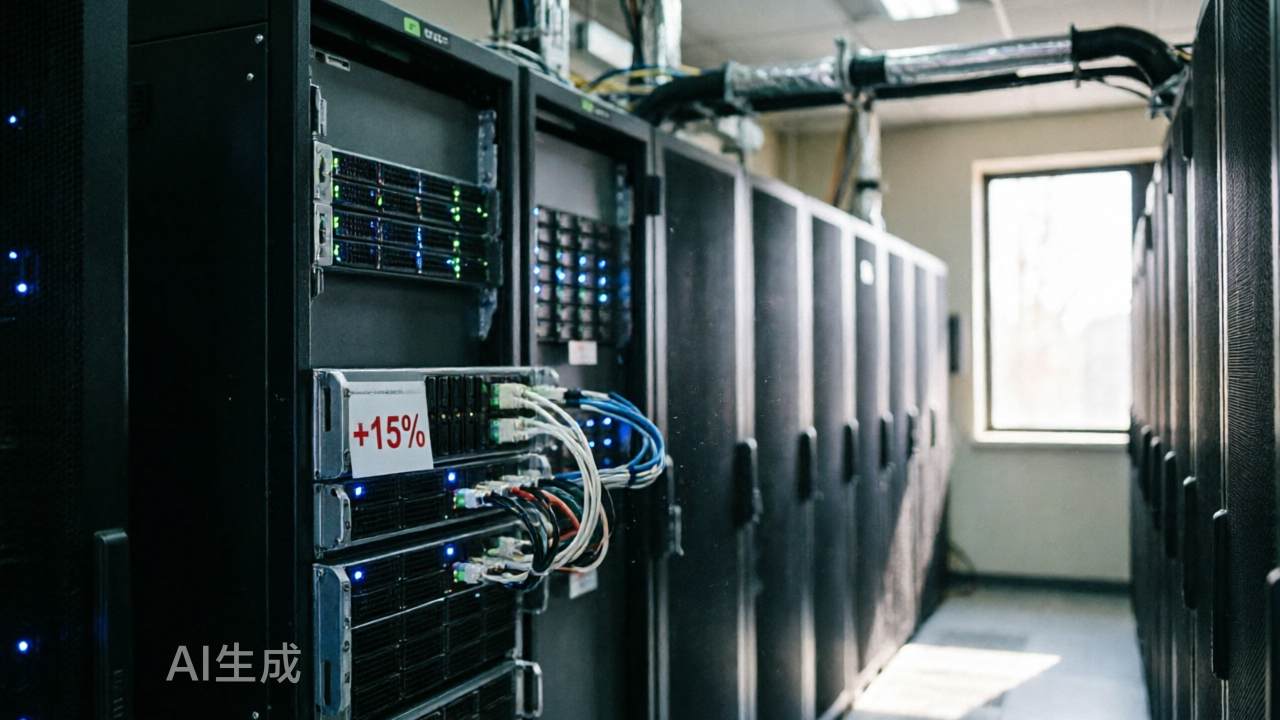
💡A 15%+ server increase could change your AI infrastructure budget and accelerator strategy.
⚡ 30-Second TL;DR
What Changed
NVIDIA server prices are reported to have risen by more than 15%.
Why It Matters
Higher server and memory costs could raise the cost of model training, inference, and AI cloud services. Builders and founders may need to revisit capacity plans, pricing models, and the trade-off between rented NVIDIA infrastructure and alternative accelerators.
What To Do Next
Recalculate your next six-month inference budget with a 15%+ NVIDIA server-cost sensitivity and benchmark any available cloud-provider proprietary-chip options.
Key Points
- •NVIDIA server prices are reported to have risen by more than 15%.
- •Higher memory-chip costs are being passed through the AI infrastructure supply chain.
- •Cloud providers face margin pressure and are accelerating development of proprietary AI chips.
🧠 Deep Insight
Background and context from public sources — not the original article. 11 sources cited.
🔑 Enhanced Key Takeaways
- •NVIDIA's price increases specifically target the Vera Rubin and Grace Blackwell platforms, with the hikes scheduled to take effect for shipments starting in early 2027.
- •The primary driver of the cost surge is the high-bandwidth memory (HBM) supply bottleneck, where production requires four times the wafer area of standard DRAM.
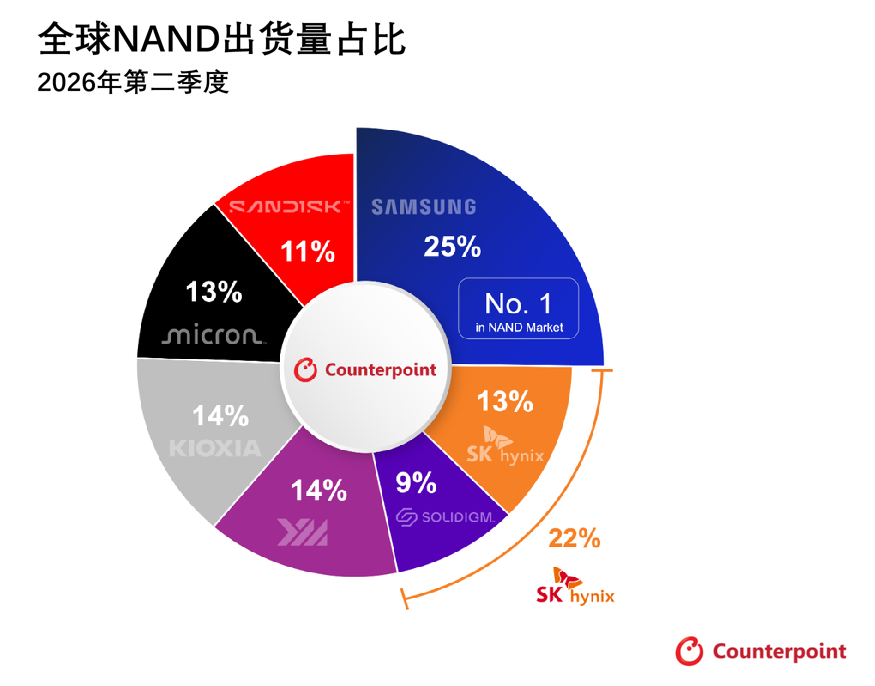
- •Major memory manufacturers including SK Hynix have reported that their entire 2026 production capacity for AI-grade memory is already fully committed.
- •The price adjustments are being communicated to hyperscalers like Microsoft, Google, and Oracle through contract manufacturers rather than direct NVIDIA list-price updates.
- •The inflationary pressure has extended beyond enterprise AI servers, causing consumer DDR5 memory prices to more than double since late 2025.
📊 Competitor Analysis▸ Show
| Feature | NVIDIA (Blackwell/Rubin) | Custom Silicon (Google TPU/AWS Trainium) | AMD (Instinct MI300/350) |
|---|---|---|---|
| Primary Market | General Purpose AI/HPC | Internal Cloud Workloads | Open Ecosystem AI/HPC |
| Pricing Strategy | Premium/Market Leader | Cost-plus/Internal Allocation | Competitive/Value-focused |
| Memory Tech | HBM3e/HBM4 | HBM3e | HBM3e |
🛠️ Technical Deep Dive
- HBM production efficiency: Requires 4x the wafer area compared to standard DRAM, creating a physical manufacturing bottleneck.
- Memory-constrained optimization: Industry shift toward model quantization and pruning to maintain performance on existing hardware.
- Supply chain integration: Server assembly is managed via contract manufacturers who are currently absorbing and passing through component-level inflation.
🔮 Future ImplicationsAI analysis grounded in cited sources
⏳ Timeline
📎 Sources (11)
Factual claims are grounded in the sources below. Forward-looking analysis is AI-generated interpretation.
Weekly AI Recap
Read this week's curated digest of top AI events →
👉Related Updates
AI-curated news aggregator. All content rights belong to original publishers.
Original source: 钛媒体 ↗
This is a summary, not the original. Read the source, or get the weekly briefing.
Weekly AI briefing
One email a week. Unsubscribe anytime.