Nvidia-BYD Targets Tesla FSD
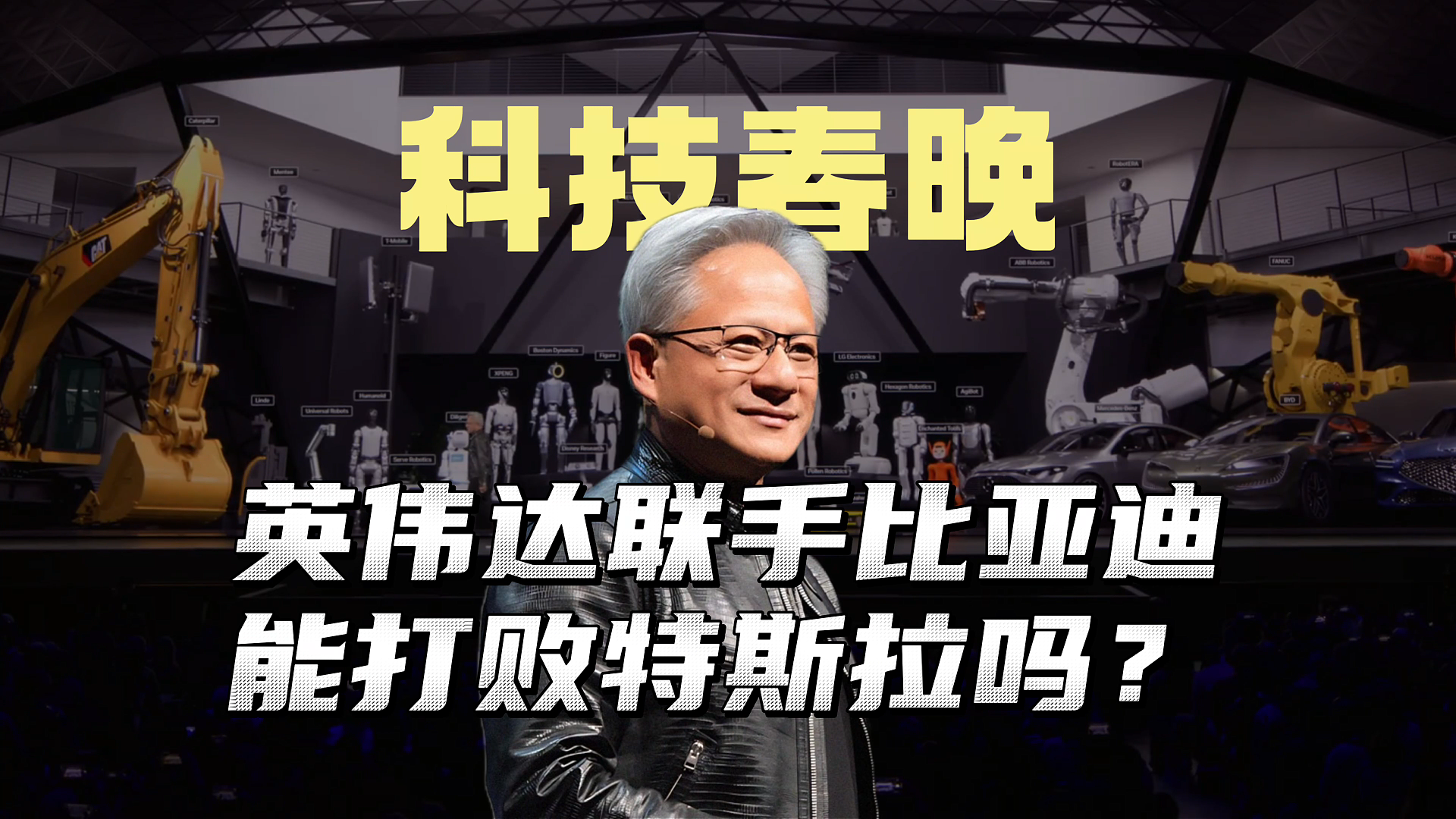
💡Nvidia+BYD physical AI eyes Tesla FSD throne
⚡ 30-Second TL;DR
What Changed
Nvidia-BYD alliance uses physical AI for human-like intuition in driving
Why It Matters
Could accelerate embodied AI in autos, pressuring Tesla and boosting Nvidia's auto AI market share.
What To Do Next
Benchmark Nvidia DRIVE physical AI APIs against Tesla FSD datasets.
Key Points
- •Nvidia-BYD alliance uses physical AI for human-like intuition in driving
- •Shifts from rigid rule code to adaptive judgment in complex road conditions
- •Positions to challenge Tesla's FSD dominance in smart driving
🧠 Deep Insight
Background and context from public sources — not the original article. 7 sources cited.
🔑 Enhanced Key Takeaways
- •NVIDIA's Drive Hyperion platform integrates chips, computers, sensors, and software as a standardized reference architecture designed to accelerate global deployment and validation of Level 4 autonomous vehicles across multiple manufacturers[2][3].
- •The partnership extends beyond BYD to include Japanese automakers Nissan and Isuzu, with Nissan powered by Wayve software, indicating a multi-regional strategy to challenge Tesla's autonomous driving dominance[2][4].
- •NVIDIA projects orders for Blackwell and Vera Rubin products to exceed $1 trillion by 2027, with plans to launch driverless taxis via Uber in Los Angeles and San Francisco by mid-2027, expanding to 28 markets by 2028[1].
- •WeRide, a Chinese autonomous driving company using NVIDIA Drive Hyperion, targets over 2,600 robotaxis in operation globally in 2026 and tens of thousands by 2030, demonstrating commercial-scale deployment momentum[2].
📊 Competitor Analysis▸ Show
| Aspect | NVIDIA Drive Hyperion (BYD/Geely/Nissan) | Tesla FSD | WeRide (NVIDIA-based) |
|---|---|---|---|
| Architecture | Standardized reference platform (chips, sensors, software, networking) | Proprietary end-to-end learning | NVIDIA Drive Hyperion |
| Autonomy Level | Level 4 (no human intervention in defined areas) | Level 2-3 (driver monitoring required) | Level 4 |
| Deployment Model | Multi-manufacturer platform | Tesla vehicles only | Robotaxi fleet (2,600+ target 2026) |
| Key Partners | BYD, Geely, Nissan, Isuzu, Wayve | None (proprietary) | NVIDIA |
| Market Expansion | 28 markets by 2028 (Uber partnership) | Primarily North America | Global expansion targeted |
🛠️ Technical Deep Dive
- Drive Hyperion Platform Components: Integrated system combining compute hardware, sensor fusion architecture, networking infrastructure, and safety-critical software stack designed for Level 4 autonomous vehicle development[2][3]
- Development Lifecycle Support: Platform supports full autonomous driving lifecycle from cloud-based AI model training to real-time on-vehicle decision processing[2]
- Standardized Reference Architecture: Enables faster validation and cross-market deployment by providing unified hardware-software integration across different OEM implementations[3]
- Safety Systems Integration: Incorporates safety systems as core platform component rather than add-on, critical for Level 4 certification[3]
- Alternative Compute Option: NVIDIA Drive AGX Thor used by Isuzu and TIER IV for autonomous bus applications, indicating modular platform variants[3]
🔮 Future ImplicationsAI analysis grounded in cited sources
⏳ Timeline
📎 Sources (7)
Factual claims are grounded in the sources below. Forward-looking analysis is AI-generated interpretation.
- phemex.com — Nvidia Partners with Byd Geely for Autonomous Driving Expansion 67150
- global.chinadaily.com.cn — Ws69ba0dfaa310d6866eb3e732
- technode.com — Gtc 2026 Byd and Geely Adopt Nvidia Drive Hyperion for Level 4 Autonomous Vehicle Programs
- marklines.com — 341764
- nvidianews.nvidia.com — Drive Hyperion Level 4
- nvidianews.nvidia.com — Hyundai Motor Kia Autonomous Driving
- electrive.com — Nvidia Partners with Byd Geely Hyundai Isuzu Nissan and Uber
Weekly AI Recap
Read this week's curated digest of top AI events →
👉Related Updates
AI-curated news aggregator. All content rights belong to original publishers.
Original source: 虎嗅 ↗
This is a summary, not the original. Read the source, or get the weekly briefing.
Weekly AI briefing
One email a week. Unsubscribe anytime.