Nvidia AI Server Prices Set to Rise Over 15%
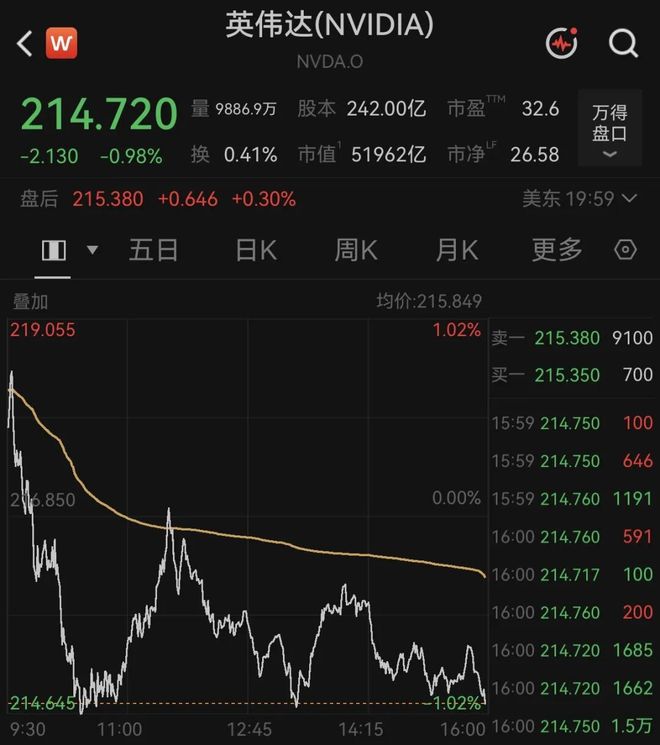
💡A reported 15%+ Nvidia server hike could materially change your AI infrastructure budget.
⚡ 30-Second TL;DR
What Changed
Server systems equipped with Nvidia AI chips may rise in price by more than 15%.
Why It Matters
Higher server prices could raise the capital cost of training and inference deployments, especially for enterprises planning large GPU clusters. AI infrastructure buyers may need to bring forward procurement decisions or reassess deployment budgets.
What To Do Next
Ask your Nvidia server vendor for a written early-next-year quote and compare it with alternative GPU cloud or accelerator options before finalizing your capacity plan.
Key Points
- •Server systems equipped with Nvidia AI chips may rise in price by more than 15%.
- •The new pricing reportedly applies to systems shipping in early next year.
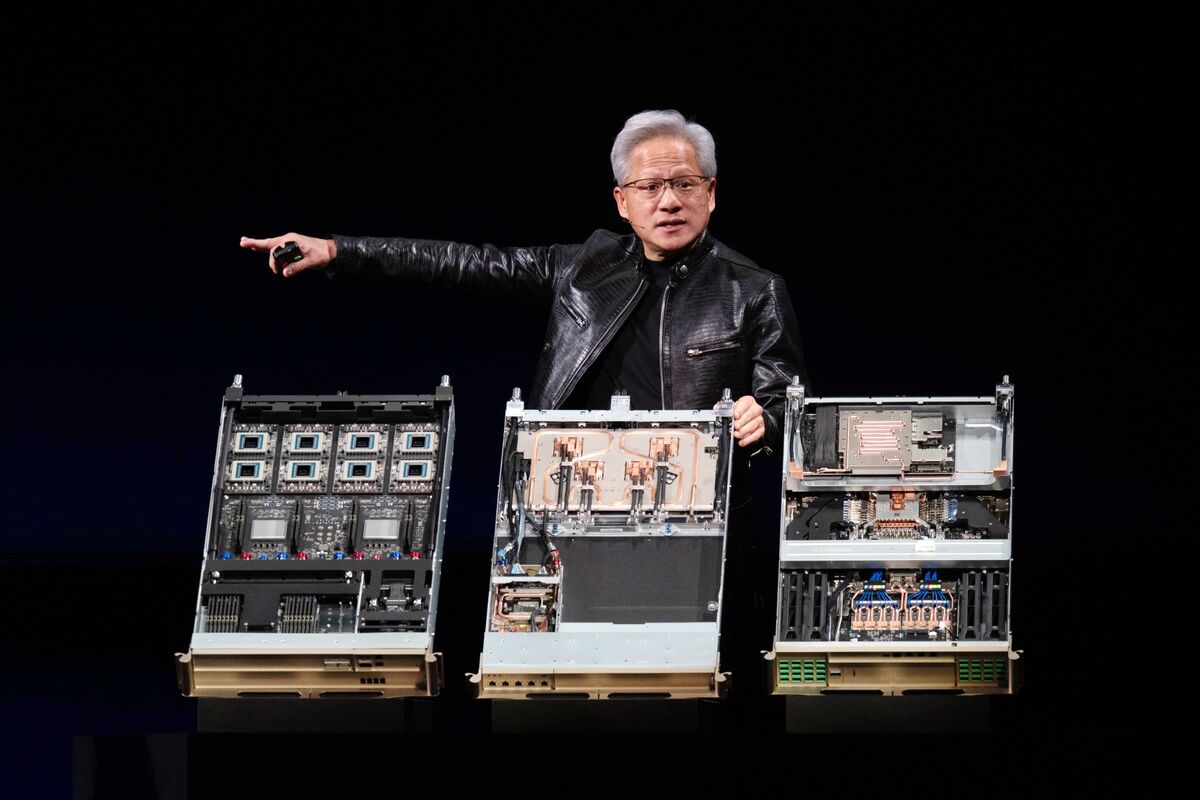
- •Affected platforms include Nvidia Vera Rubin and Grace Blackwell systems.
- •Surging memory-chip costs are cited as the main reason for the increase.
🧠 Deep Insight
Background and context from public sources — not the original article. 15 sources cited.
🔑 Enhanced Key Takeaways
- •Notifications regarding the price hike were communicated to major hyperscalers including Microsoft, Google, and Oracle via their contract server manufacturers.
- •The supply chain bottleneck is exacerbated by memory manufacturers like Samsung, SK Hynix, and Micron, who are currently unable to meet the explosive demand for high-bandwidth memory.
- •Nvidia has reportedly committed billions of dollars in capital to secure long-term memory supply agreements to mitigate further volatility.
- •The price increase is occurring against a backdrop of broader industry challenges, including labor shortages and tightening capital markets for data center construction.
- •Major cloud providers are increasingly exploring custom silicon alternatives to reduce dependency on Nvidia's high-cost, supply-constrained hardware platforms.
📊 Competitor Analysis▸ Show
| Feature/Metric | Nvidia (Grace Blackwell/Vera Rubin) | AMD (Instinct MI300/MI400 Series) | Custom Silicon (Google TPU/AWS Trainium) |
|---|---|---|---|
| Market Position | Industry Standard / Premium | High-Performance Alternative | Cost-Optimized / Proprietary |
| Pricing | Increasing (>15%) | Competitive / Volume-based | Internal Cost / Non-commercial |
| Primary Strength | CUDA Ecosystem / Software Stack | High Memory Capacity / Open Source | Vertical Integration / Efficiency |
🛠️ Technical Deep Dive
- Vera Rubin and Grace Blackwell architectures rely heavily on HBM3e and future iterations of high-bandwidth memory to sustain high-throughput AI training.
- The integration of Grace CPUs with Blackwell/Rubin GPUs creates a unified memory architecture that requires massive DRAM density per server node.
- Memory-to-compute ratios are increasing, making the total system cost highly sensitive to fluctuations in the DRAM and NAND Flash spot markets.
🔮 Future ImplicationsAI analysis grounded in cited sources
⏳ Timeline
📎 Sources (15)
Factual claims are grounded in the sources below. Forward-looking analysis is AI-generated interpretation.
Weekly AI Recap
Read this week's curated digest of top AI events →
👉Related Updates
AI-curated news aggregator. All content rights belong to original publishers.
Original source: cnBeta (Full RSS) ↗
This is a summary, not the original. Read the source, or get the weekly briefing.
Weekly AI briefing
One email a week. Unsubscribe anytime.