Nvidia AI Servers Face 15%+ Price Hikes
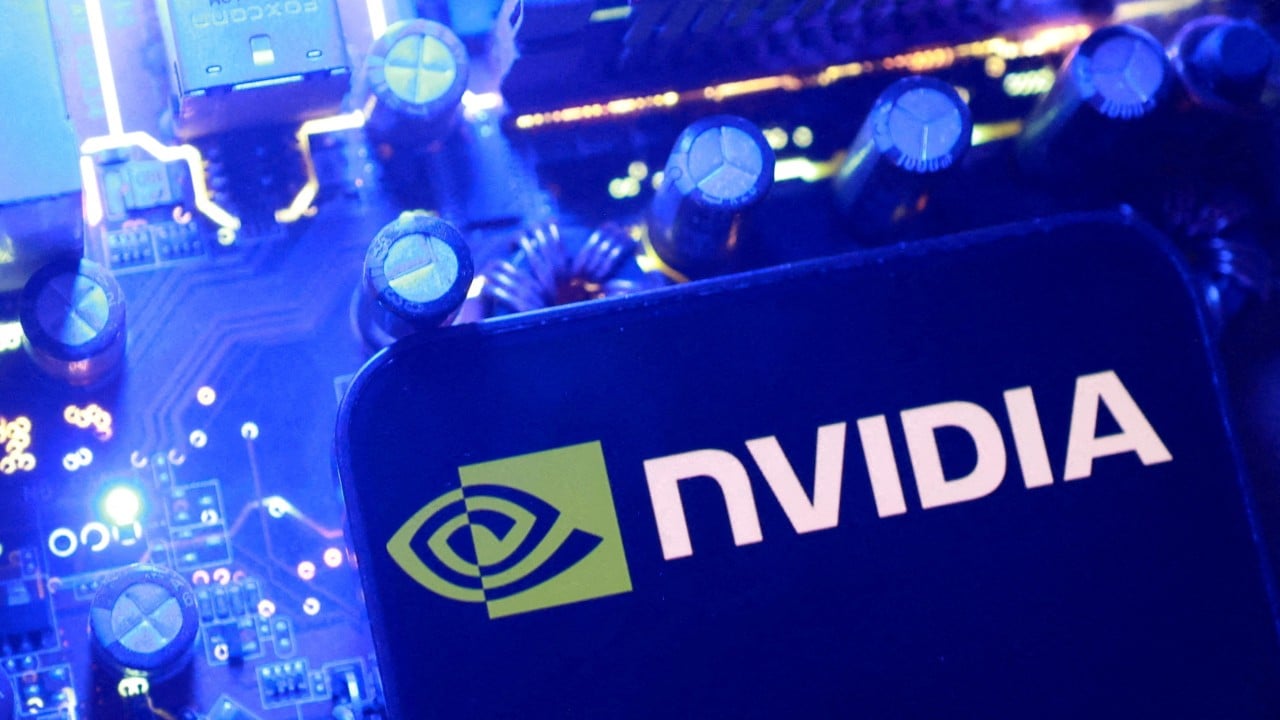
💡A potential 15%+ Nvidia server hike could materially change your AI infrastructure budget.
⚡ 30-Second TL;DR
What Changed
Prices for many Nvidia AI chip server systems are expected to rise by more than 15%.
Why It Matters
Higher server prices could raise the cost of training and serving AI models, putting pressure on cloud providers and enterprises expanding compute capacity. Organizations with near-term deployment plans may face tighter budgets and longer procurement decisions.
What To Do Next
Request refreshed quotes for Nvidia-based systems now and update your AI infrastructure TCO model with at least a 15% server-cost sensitivity case.
Key Points
- •Prices for many Nvidia AI chip server systems are expected to rise by more than 15%.
- •The increases will reportedly affect systems shipped early next year.
- •Configurations using the flagship Vera Rubin and Grace Blackwell chips are included.
- •Soaring memory chip costs are cited as a major factor behind the increases.
🧠 Deep Insight
Background and context from public sources — not the original article. 9 sources cited.
🔑 Enhanced Key Takeaways
- •Nvidia is utilizing contract manufacturers as the primary communication channel to relay these price adjustments to major cloud service providers like Microsoft, Google, and Oracle.
- •The price hikes are specifically linked to the supply chain constraints and surging market prices of high-bandwidth memory (HBM) modules essential for AI acceleration.
- •Nvidia currently maintains a dominant market share exceeding 70% in the data center AI chip sector, providing them significant leverage to pass on supply chain costs.
- •The broader industry is facing compounding headwinds, including labor shortages and tightening capital markets, which are exacerbated by these increased hardware expenditures.
- •Nvidia's market capitalization has reached the $5 trillion milestone as of August 2026, solidifying its status as the primary bellwether for global AI infrastructure investment.
📊 Competitor Analysis▸ Show
| Feature | Nvidia (Grace Blackwell/Rubin) | AMD (Instinct MI350/400) | Intel (Gaudi 3) |
|---|---|---|---|
| Market Position | Dominant (>70%) | Challenger | Niche/Enterprise |
| Memory Tech | HBM3e/HBM4 | HBM3e | HBM3e |
| Pricing Strategy | Premium/Increasing | Competitive/Aggressive | Value-focused |
| Primary Focus | Full-stack AI Ecosystem | High-performance Compute | Cost-effective Scaling |
🛠️ Technical Deep Dive
- Architecture: The price hikes target the Grace Blackwell and Vera Rubin platforms, which utilize advanced chiplet-based designs and high-density HBM integration.
- Memory Dependency: Performance scaling in these architectures is bottlenecked by HBM capacity and bandwidth, making the system cost highly sensitive to memory market volatility.
- Integration: These systems rely on NVLink interconnects for multi-GPU communication, which increases the complexity and cost of the server assembly process compared to standard x86 server configurations.
🔮 Future ImplicationsAI analysis grounded in cited sources
⏳ Timeline
📎 Sources (9)
Factual claims are grounded in the sources below. Forward-looking analysis is AI-generated interpretation.
Weekly AI Recap
Read this week's curated digest of top AI events →
👉Related Updates

AI-curated news aggregator. All content rights belong to original publishers.
Original source: SCMP Technology ↗
This is a summary, not the original. Read the source, or get the weekly briefing.
Weekly AI briefing
One email a week. Unsubscribe anytime.