⚛️Ars Technica•Freshcollected in 2h
NTSB confirms Tesla driver overrode Autopilot before crash
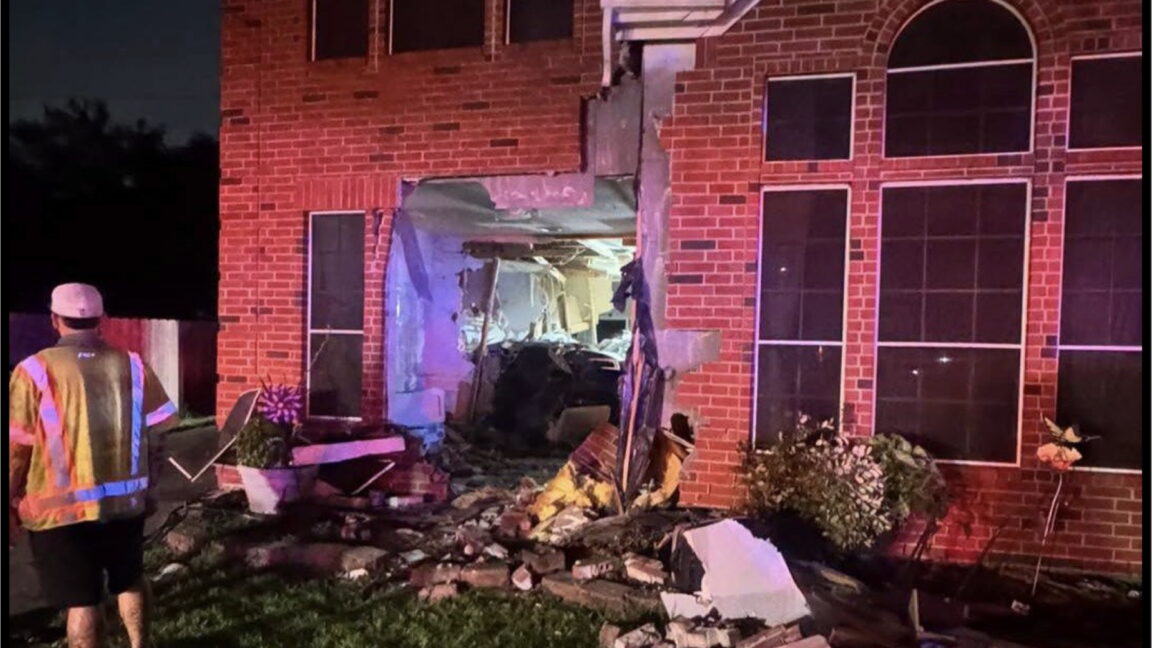
💡Crucial insights on human-AI interaction and liability in autonomous systems from recent NTSB findings.
⚡ 30-Second TL;DR
What Changed
NTSB investigation confirms manual override of FSD
Why It Matters
This finding is significant for the legal and ethical framework of autonomous driving, reinforcing the 'human-in-the-loop' requirement for current ADAS systems.
What To Do Next
If building autonomous systems, ensure your logging architecture captures granular human-override inputs to protect against liability.
Who should care:Developers & AI Engineers
Key Points
- •NTSB investigation confirms manual override of FSD
- •Driver pressed accelerator to 100% capacity
- •Findings support Tesla's stance on driver responsibility in FSD incidents
🧠 Deep Insight
AI-generated analysis for this event.
🔑 Enhanced Key Takeaways
- •The NTSB investigation utilized data from the vehicle's Event Data Recorder (EDR) to correlate the accelerator pedal position with the vehicle's speed and system state.
- •Tesla's Autopilot and FSD systems are designed to prioritize driver input, meaning a manual override via the accelerator pedal immediately suppresses the system's automated braking or steering commands.
- •This incident highlights the ongoing regulatory debate regarding 'driver-in-the-loop' requirements for Level 2 driver-assistance systems versus fully autonomous Level 4/5 systems.
- •The NTSB report emphasized that while the system was active, the driver's manual input was the proximate cause of the vehicle's acceleration into the hazard.
- •Tesla has increasingly utilized cabin camera monitoring to detect driver inattentiveness, though this specific case underscores the limitations of monitoring when a driver is actively engaged in manual control.
📊 Competitor Analysis▸ Show
| Feature | Tesla FSD (Supervised) | Waymo Driver | Cruise | Mobileye SuperVision |
|---|---|---|---|---|
| Autonomy Level | Level 2 (Driver Responsible) | Level 4 (No Driver) | Level 4 (No Driver) | Level 2+ (Driver Responsible) |
| Operational Domain | Any road (with supervision) | Geofenced urban areas | Geofenced urban areas | Highway/Urban (mapped) |
| Override Logic | Immediate manual override | Remote assistance/Stop | Remote assistance/Stop | Immediate manual override |
🛠️ Technical Deep Dive
- The Tesla Autopilot/FSD stack utilizes a 'Driver Override' logic where the pedal position sensor (PPS) signal overrides the Autopilot longitudinal control command.
- When the accelerator is pressed beyond a certain threshold, the system transitions to a 'Driver Override' state, logging the event in the vehicle's internal gateway logs.
- The EDR captures high-frequency data (typically 5Hz to 100Hz) for vehicle dynamics, including steering angle, brake status, and accelerator pedal percentage, which allows investigators to reconstruct the exact millisecond the driver took control.
- Tesla's system architecture employs a 'fail-safe' design where the human driver is considered the final authority, ensuring that automated systems cannot prevent a driver from accelerating or steering.
🔮 Future ImplicationsAI analysis grounded in cited sources
Increased adoption of 'Driver Override' logging transparency in federal safety standards.
NTSB findings in high-profile cases often lead to NHTSA mandates requiring standardized data logging for all ADAS-equipped vehicles.
Shift in liability insurance models for ADAS-equipped vehicles.
Clear evidence of driver override shifts the burden of proof from manufacturer software defects to driver error, influencing insurance premiums and litigation strategies.
⏳ Timeline
2015-10
Tesla releases Autopilot v7.0, introducing highway steering and lane changing.
2016-05
First fatal Tesla Autopilot crash occurs in Florida, sparking initial NTSB investigation.
2020-10
Tesla begins limited beta release of 'Full Self-Driving' (FSD) to select customers.
2023-02
NHTSA issues a recall for FSD Beta software over concerns regarding intersection behavior.
2024-12
Tesla updates FSD software to improve driver monitoring and override feedback loops.
📰
Weekly AI Recap
Read this week's curated digest of top AI events →
👉Related Updates


AI-curated news aggregator. All content rights belong to original publishers.
Original source: Ars Technica ↗