NTSB confirms driver override in fatal Tesla FSD crash

💡Critical insights into FSD safety, human override protocols, and NTSB investigation findings.
⚡ 30-Second TL;DR
What Changed
NTSB preliminary report confirms manual override of FSD.
Why It Matters
This report emphasizes the critical role of human-in-the-loop oversight and the limitations of current ADAS systems in preventing misuse.
What To Do Next
Review safety documentation for autonomous systems to understand the boundaries of human-machine interaction and override protocols.
Key Points
- •NTSB preliminary report confirms manual override of FSD.
- •Driver pressed the accelerator to 100% before the collision.
- •Vehicle reached speeds over 70mph in a 30mph zone.
- •The incident resulted in a fatality in Katy, Texas.
🧠 Deep Insight
AI-generated analysis for this event.
🔑 Enhanced Key Takeaways
- •The NTSB investigation highlighted that Tesla's 'Full Self-Driving' (Supervised) system design allows for immediate driver override via accelerator input, which takes precedence over autonomous control commands.
- •Data logs retrieved from the vehicle's Event Data Recorder (EDR) indicated that the driver's manual acceleration occurred within seconds of the system's engagement, effectively disabling the automated speed management features.
- •This incident has reignited regulatory scrutiny regarding the 'driver-in-the-loop' requirement, with safety advocates arguing that the system's interface may encourage over-reliance despite the manual override capability.
- •The Katy, Texas crash has been cited by the NTSB as a primary case study in their ongoing broader investigation into the human-machine interface (HMI) design of Level 2 advanced driver assistance systems.
- •Tesla's legal and engineering teams have consistently maintained that the system is designed to be a driver-assist feature, emphasizing that the vehicle's logs serve as evidence that the system was operating within its design parameters until the manual intervention.
📊 Competitor Analysis▸ Show
| Feature | Tesla FSD (Supervised) | Waymo Driver | Mobileye SuperVision |
|---|---|---|---|
| Autonomy Level | Level 2 (SAE) | Level 4 (SAE) | Level 2+ (SAE) |
| Override Logic | Immediate manual override | No manual controls | Driver-in-the-loop required |
| Hardware | Vision-only (Tesla Vision) | LiDAR, Radar, Cameras | Cameras, Radar, LiDAR |
| Pricing | Subscription/One-time fee | Per-ride (Robotaxi) | OEM Integration cost |
🛠️ Technical Deep Dive
- The vehicle's Event Data Recorder (EDR) captures high-frequency telemetry including pedal position, steering angle, and IMU data at 10Hz to 100Hz intervals.
- Tesla's FSD architecture utilizes a neural network-based perception stack that processes multi-camera input to create a 3D vector space, which is then overridden by the vehicle's low-level control loop when the accelerator pedal sensor detects a value exceeding the system's current torque request.
- The system employs a 'torque-based' override mechanism where the Electronic Control Unit (ECU) prioritizes the physical pedal sensor input over the FSD software's path planning output to ensure the driver retains final authority.
🔮 Future ImplicationsAI analysis grounded in cited sources
⏳ Timeline
Weekly AI Recap
Read this week's curated digest of top AI events →
👉Related Updates
Same topic
Explore #autonomous-driving
Same product
More on tesla-full-self-driving-(fsd)
Same source
Latest from The Verge

Huawei Smart Driving and Cockpit Installations Hit 2 Million
Enhancing ChatGPT safety and accessibility for teen users
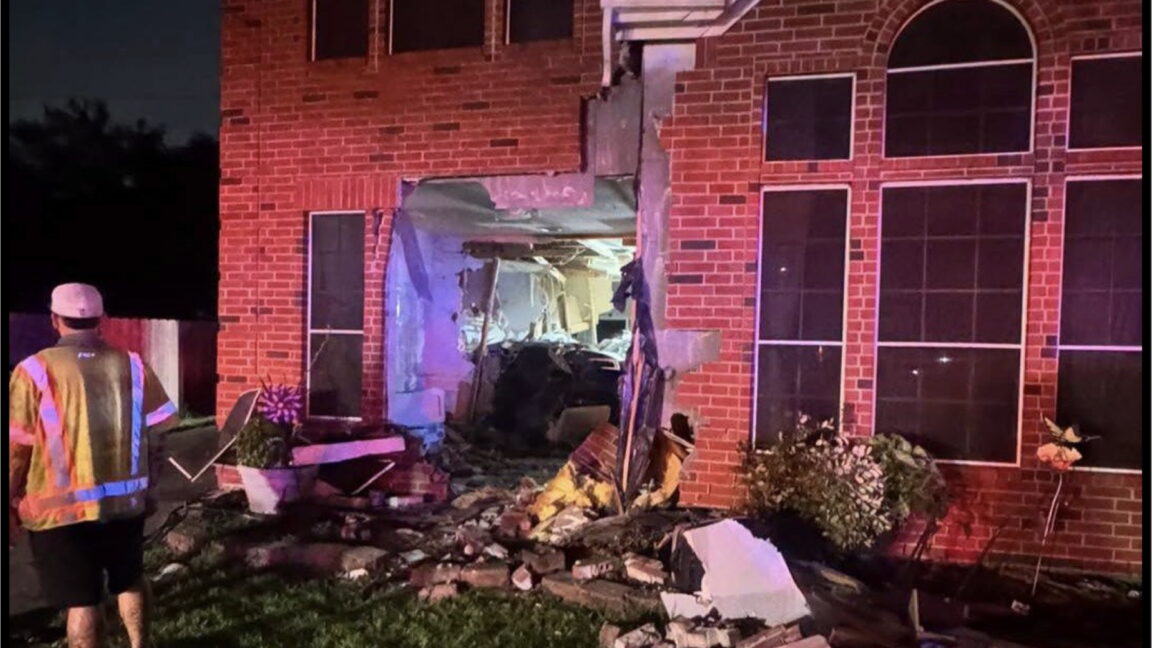
NTSB confirms Tesla driver overrode Autopilot before crash
Ofcom Launches Investigation into TikTok's Child Safety Measures
AI-curated news aggregator. All content rights belong to original publishers.
Original source: The Verge ↗