Nickel Pricing Shifts: China, Indonesia, and US Power Struggle
💡Understand how geopolitical shifts in raw materials will impact the future cost of AI-driven hardware and robotics.
⚡ 30-Second TL;DR
What Changed
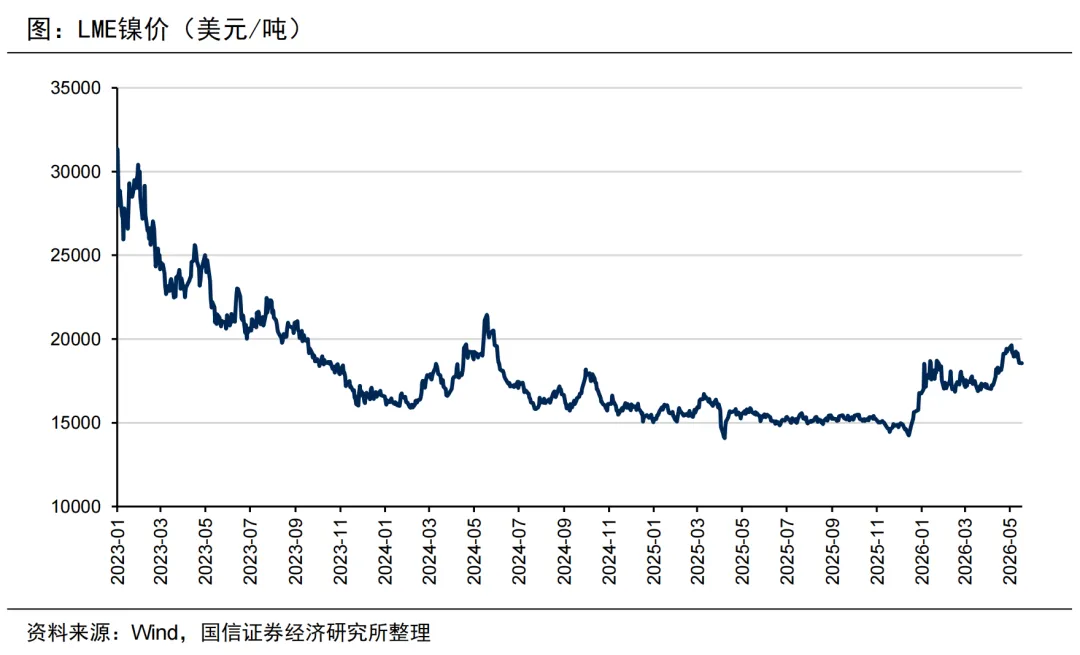
Nickel pricing logic is shifting away from traditional benchmarks
Why It Matters
Changes in raw material pricing directly affect the cost structure of EV batteries and energy storage systems. Practitioners should monitor these shifts for long-term hardware supply chain planning.
What To Do Next
Diversify your hardware supply chain risk assessment by tracking raw material price volatility in battery-critical sectors.
Key Points
- •Nickel pricing logic is shifting away from traditional benchmarks
- •Indonesia's dominance in nickel supply is reshaping global trade
- •Geopolitical tensions between US and China impact raw material security
🧠 Deep Insight
AI-generated analysis for this event — not the original article.
🔑 Enhanced Key Takeaways
- •The London Metal Exchange (LME) has faced significant liquidity challenges and contract volatility following the 2022 nickel short squeeze, prompting the introduction of new 'Class 2' nickel contracts to better reflect the market share of Indonesian-produced nickel pig iron (NPI) and matte.
- •Indonesia has implemented aggressive downstreaming policies, including export bans on raw nickel ore, forcing foreign investors to build domestic smelters and refineries to capture more value within the country.
- •The US Inflation Reduction Act (IRA) has created a bifurcated market where nickel processed in Indonesia may be excluded from EV tax credit eligibility unless specific Free Trade Agreement (FTA) requirements or supply chain transparency standards are met.
- •Technological advancements in High-Pressure Acid Leaching (HPAL) have enabled the conversion of lower-grade Indonesian laterite ores into battery-grade nickel sulfate, challenging the traditional dominance of high-grade sulfide deposits.
- •Chinese firms, including Tsingshan Holding Group, have pioneered the integration of NPI-to-matte conversion processes, effectively bridging the gap between stainless steel-grade nickel and battery-grade nickel supply chains.
📊 Competitor Analysis▸ Show
| Feature | LME (Traditional) | SHFE (China) | Indonesia Commodity Exchange |
|---|---|---|---|
| Primary Benchmark | Class 1 Nickel (99.8%) | Nickel Sulfate/NPI | Nickel Ore/Matte |
| Market Influence | Global Financial | Domestic Chinese | Supply-Side Dominance |
| Pricing Basis | Exchange Traded | Physical/Futures | Government-Linked |
🛠️ Technical Deep Dive
- HPAL (High-Pressure Acid Leaching): A hydrometallurgical process used to extract nickel and cobalt from low-grade laterite ores by subjecting them to sulfuric acid at high temperatures and pressures.
- NPI (Nickel Pig Iron) to Matte Conversion: A process where low-grade nickel pig iron is refined into nickel matte, which can then be processed into nickel sulfate for lithium-ion battery cathodes.
- Class 1 vs Class 2 Nickel: Class 1 refers to high-purity nickel (>99.8%) used in batteries; Class 2 refers to lower-purity nickel (like NPI or ferronickel) traditionally used in stainless steel production.
🔮 Future ImplicationsAI analysis grounded in cited sources
⏳ Timeline
Weekly AI Recap
Read this week's curated digest of top AI events →
👉Related Updates

AI-curated news aggregator. All content rights belong to original publishers.
Original source: 钛媒体 ↗
This is a summary, not the original. Read the source, or get the weekly briefing.
Weekly AI briefing
One email a week. Unsubscribe anytime.