NHS App integrates AI for patient triage and routing
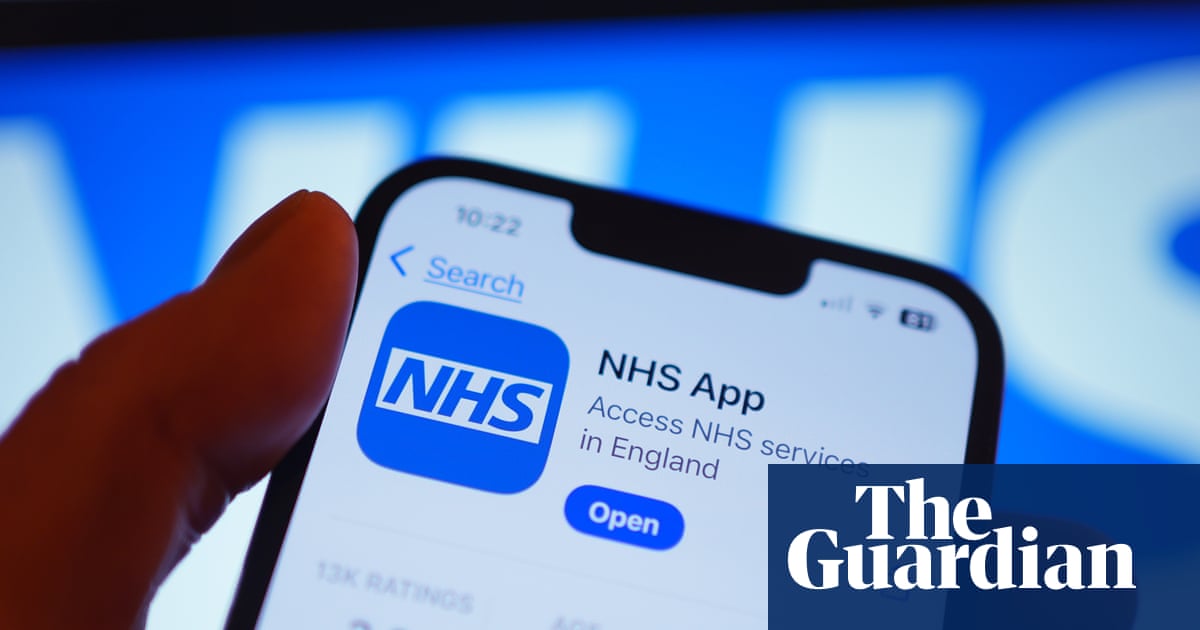
💡A major public sector AI deployment: learn how the NHS is scaling automated triage to manage patient flow.
⚡ 30-Second TL;DR
What Changed
AI tool will triage patients based on condition severity
Why It Matters
This deployment represents a significant real-world application of AI in public health infrastructure, potentially reducing the burden on primary care providers. It sets a precedent for large-scale government adoption of automated triage systems.
What To Do Next
Analyze the clinical safety protocols and explainability requirements for deploying AI in high-stakes public sector triage systems.
Key Points
- •AI tool will triage patients based on condition severity
- •Directs users to GP, pharmacy, or A&E services
- •Rollout targets 200,000 patients over the next year
- •Part of a £10bn NHS system overhaul package
🧠 Deep Insight
AI-generated analysis for this event — not the original article.
🔑 Enhanced Key Takeaways
- •The AI triage system utilizes Natural Language Processing (NLP) to analyze patient-reported symptoms against the NHS Pathways clinical decision support system.
- •Data privacy measures include the use of federated learning techniques to train models without transferring sensitive patient health records to centralized servers.
- •The initiative is being developed in partnership with private sector technology providers, specifically leveraging cloud infrastructure to handle high-concurrency traffic.
- •Clinical safety standards are maintained through a 'human-in-the-loop' verification process where AI recommendations are audited by senior clinicians during the pilot phase.
- •The system is designed to integrate directly with Electronic Patient Records (EPR) to ensure that triage outcomes are automatically logged in the patient's primary care history.
📊 Competitor Analysis▸ Show
| Feature | NHS App AI Triage | Babylon Health (Historical) | Ada Health |
|---|---|---|---|
| Primary Focus | Public Health Routing | Private/Public Telehealth | Symptom Assessment |
| Pricing | Free (Taxpayer Funded) | Subscription/B2B | Freemium/B2B |
| Integration | Deep NHS EPR | Limited | API-based |
🛠️ Technical Deep Dive
- Model Architecture: Employs a transformer-based NLP model fine-tuned on anonymized clinical datasets and the NHS Pathways knowledge base.
- Infrastructure: Hosted on secure, sovereign cloud environments compliant with UK Data Protection Act 2018 and GDPR.
- Interoperability: Utilizes HL7 FHIR (Fast Healthcare Interoperability Resources) standards to exchange data between the app and GP practice management systems.
- Security: Implements end-to-end encryption for data in transit and at rest, with multi-factor authentication (MFA) required for all user sessions.
🔮 Future ImplicationsAI analysis grounded in cited sources
⏳ Timeline
Weekly AI Recap
Read this week's curated digest of top AI events →
👉Related Updates



AI-curated news aggregator. All content rights belong to original publishers.
Original source: The Guardian Technology ↗
This is a summary, not the original. Read the source, or get the weekly briefing.
Weekly AI briefing
One email a week. Unsubscribe anytime.