📱Engadget•Freshcollected in 5m
New emoji set to expand emotional expression capabilities
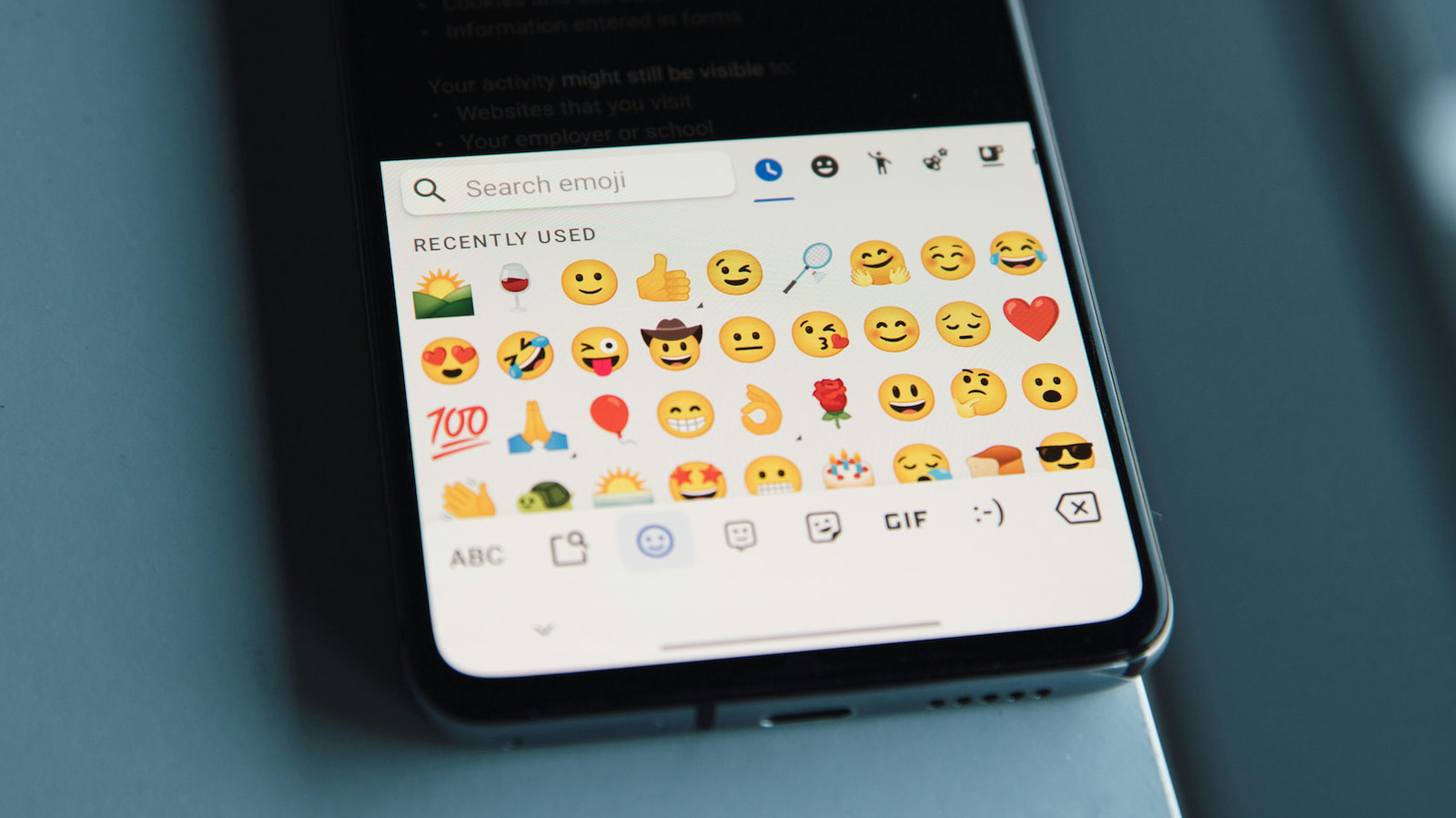
💡Understand how evolving emoji standards impact sentiment analysis and emotional nuance in AI-driven communication.
⚡ 30-Second TL;DR
What Changed
Unicode Consortium is finalizing the next generation of emoji characters.
Why It Matters
As AI models increasingly handle sentiment analysis and human-computer interaction, updated emoji standards provide more granular data for interpreting user emotional intent.
What To Do Next
Update your NLP sentiment analysis pipelines to include the latest Unicode emoji mappings to ensure accurate emotion detection.
Who should care:Developers & AI Engineers
Key Points
- •Unicode Consortium is finalizing the next generation of emoji characters.
- •New designs focus on capturing complex human emotional states.
- •The update aims to broaden the visual vocabulary for digital communication.
🧠 Deep Insight
AI-generated analysis for this event.
🔑 Enhanced Key Takeaways
- •The Unicode Consortium's latest update, Unicode 16.0, was officially released in late 2024, setting the technical foundation for these new emotional expressions.
- •The selection process for these new emojis involves a rigorous vetting by the Unicode Emoji Subcommittee, which evaluates candidates based on distinctiveness, frequency of use, and compatibility across platforms.
- •New emoji additions are increasingly influenced by 'Emoji 2.0' standards, which prioritize gender-neutral designs and skin tone modifiers to ensure global inclusivity.
- •The 'existential dread' and 'beauty' concepts are being implemented through a combination of new facial expressions and symbolic objects, rather than just abstract icons.
- •Major tech platforms including Apple, Google, and Meta must individually adopt and render these Unicode standards, meaning user availability will vary by operating system update cycles.
🛠️ Technical Deep Dive
- Emojis are encoded using the Unicode Standard, which assigns a unique code point to each character, ensuring cross-platform consistency.
- New emoji designs must adhere to the Unicode Emoji Presentation Sequences, which define whether a character is rendered as text or as a colorful graphic.
- The implementation requires updating the CLDR (Common Locale Data Repository) to include short names, keywords, and sorting order for the new characters.
- Rendering relies on font files (such as Apple Color Emoji or Google's Noto Color Emoji) that map Unicode code points to vector-based glyphs.
🔮 Future ImplicationsAI analysis grounded in cited sources
Standardization of emotional expression will reduce cross-cultural misinterpretation in digital messaging.
By providing specific visual representations for complex states like existential dread, the Consortium limits the ambiguity inherent in text-only communication.
Platform-specific rendering will continue to cause visual fragmentation.
Because each OS vendor designs their own glyphs for the same Unicode code point, the 'existential dread' emoji will look different on iOS compared to Android.
⏳ Timeline
2010-10
Unicode 6.0 is released, marking the first major integration of emoji into the standard.
2015-06
Unicode 8.0 introduces skin tone modifiers, significantly expanding emoji representation.
2020-01
The Unicode Consortium adopts a more inclusive approach to gender-neutral emoji designs.
2024-09
Unicode 16.0 is officially released, adding new characters and refining existing emoji sets.
📰
Weekly AI Recap
Read this week's curated digest of top AI events →
👉Related Updates

AI-curated news aggregator. All content rights belong to original publishers.
Original source: Engadget ↗