NASA opens bidding for Jet Propulsion Laboratory management
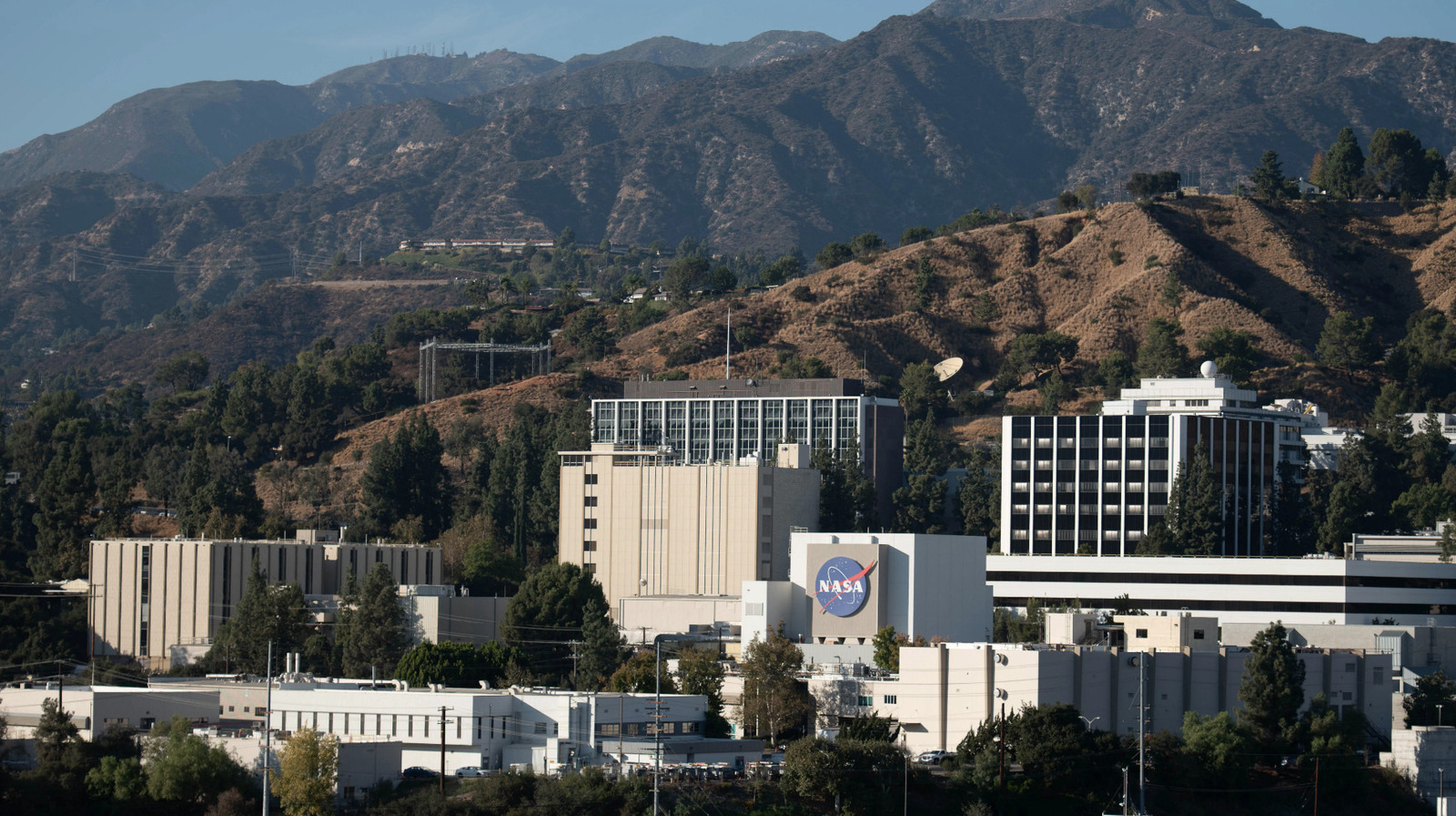
JPL is a hub for space AI and robotics; a change in leadership could shift the industry's R&D priorities.
30-Second TL;DR
What Changed
NASA is seeking new bids for the operation of the Jet Propulsion Laboratory.
Why It Matters
The change in management could significantly alter the trajectory of space-based AI and robotics research. Practitioners should monitor how the new operator prioritizes autonomous systems and edge computing in space.
What To Do Next
Monitor NASA's procurement portal for the upcoming RFP to understand the technical requirements for future space-grade AI systems.
Key Points
- •NASA is seeking new bids for the operation of the Jet Propulsion Laboratory.
- •The current management contract with Caltech concludes in 2028.
- •This transition could signal a shift in research focus or operational strategy for space robotics and AI integration.
Deep Insight
Background and context from public sources — not the original article. 8 sources cited.
Enhanced Key Takeaways
- •Caltech has managed the Jet Propulsion Laboratory (JPL) since its inception in the 1930s and for NASA since the agency's establishment in 1958, making this the first time the management contract is being openly competed.
- •The current contract between NASA and Caltech for JPL's management, which commenced on October 1, 2018, has a potential maximum value of $30 billion if all available options are exercised, and is set to expire on September 30, 2028.
- •NASA's decision to open the contract to competition is driven by a broader government-wide and agency effort to enhance efficiencies, strengthen performance, and accelerate mission outcomes while ensuring strong stewardship of taxpayer resources.
- •Caltech has been actively preparing for this competitive bidding process since the summer of 2025 and has publicly stated its intention to respond to the Request for Proposal (RFP) once it is released.
- •Leading up to this announcement, NASA conducted market research and hosted an Industry Engagement Day in July 2025 to gauge interest from other potential bidders and to ensure a comprehensive competition for the best value.
Technical Deep Dive
- JPL is actively developing "Next Generation Autonomy and AI Solutions for Space Exploration," including the NeBula (Networked Belief-aware Perceptual Autonomy) solution.
- NeBula is a modular software designed for multi-robot systems operating in unknown and extreme environments, addressing stochasticity and uncertainty in sensing, environment, motion, system health, and communication.
- NeBula has been implemented on various robotic platforms, including wheeled, legged, tracked, and flying vehicles, and enabled JPL's team CoSTAR to win the DARPA Subterranean Challenge, Phase 2, in February 2020, and achieve autonomous exploration of Martian-analog caves.
- JPL's autonomous systems focus on system-level autonomy (perception prediction, system-health assessment, risk-awareness for on-board decisions), autonomous robots (navigation, manipulation, terrain classification, hazard assessment, trajectory planning), and autonomous sciencecraft (optimizing mission design, onboard data analysis, and response).
- AI is utilized to enable robotic explorers to recognize unexpected phenomena and detect statistical anomalies, allowing scientists to concentrate on data analysis and interpretation.
- Practical applications of AI include the WATCH and AEGIS programs used on Mars rovers like Opportunity and Curiosity for tasks such as selecting laser targets and autonomous system management.
- JPL's strategic plan, "Dare Mighty Things Together: A Plan for JPL" (2023–2026), emphasizes infusing more technology into missions and expanding the lab's reach.
Future ImplicationsAI analysis grounded in cited sources
Timeline
- 1936Jet Propulsion Laboratory founded by Caltech researchers.
- 1958JPL transferred from the U.S. Army to NASA; Caltech begins managing it for NASA.
- 1994-02Caltech signs a five-year contract to manage JPL, valued at approximately $1 billion annually.
- 2002-11NASA awards Caltech a new five-year contract for JPL management, estimated at over $8 billion, with a potential five-year extension.
- 2012-08NASA signs an $8.5 billion contract with Caltech, extending JPL's management for an additional five years through September 30, 2017.
- 2018-10The current contract between NASA and Caltech for JPL management begins, running through September 30, 2028, with a potential maximum value of $30 billion.
- 2025-07NASA conducts market research and holds an Industry Engagement Day regarding the upcoming JPL management contract competition.
- 2026-05-22NASA officially initiates the bidding process for the future management of the Jet Propulsion Laboratory.
Sources (8)
Factual claims are grounded in the sources below. Forward-looking analysis is AI-generated interpretation.
Weekly AI Recap
Read this week's curated digest of top AI events →
Related Updates

AI-curated news aggregator. All content rights belong to original publishers.
Original source: Engadget ↗
This is a summary, not the original. Read the source, or get the weekly briefing.
The weekly digest
One email a week. Unsubscribe anytime.