NASA Abandons Swift Telescope Rescue
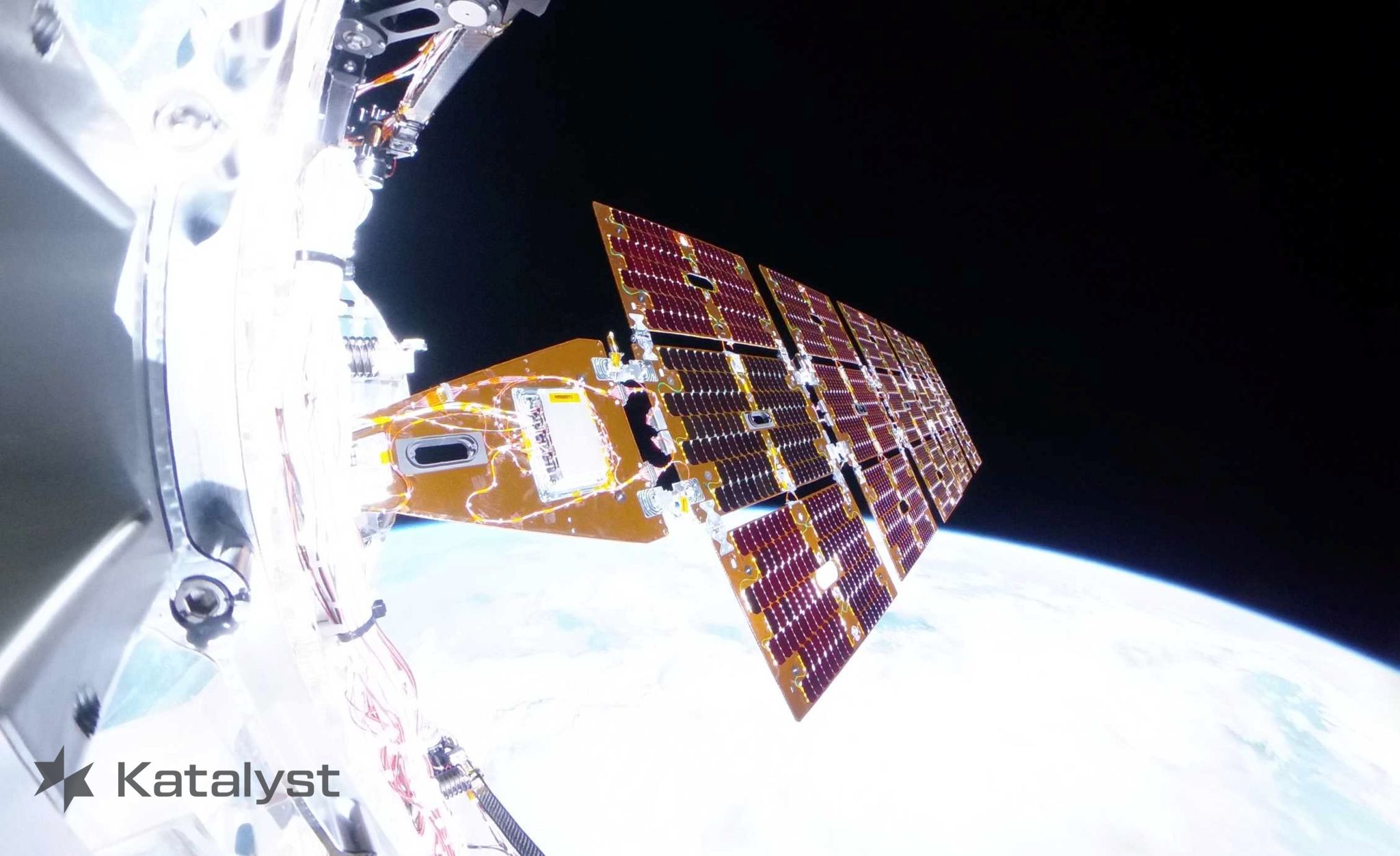
💡Swift's failed robotic rescue is a stark lesson in autonomy, redundancy, and spacecraft end-of-life planning.
⚡ 30-Second TL;DR
What Changed
NASA and Katalyst ended the robotic rescue effort because attitude-control problems persisted.
Why It Matters
The failed rescue underscores how difficult long-duration autonomous robotics missions are when spacecraft attitude control degrades. It also ends a major source of gamma-ray observations that could support astrophysics and machine-learning research on transient events.
What To Do Next
Use NASA's Swift mission-status updates to revise any space-robotics autonomy assumptions around attitude-control redundancy and end-of-life procedures.
Key Points
- •NASA and Katalyst ended the robotic rescue effort because attitude-control problems persisted.
- •Swift has operated in orbit for nearly 22 years and cost approximately $500 million.
- •The observatory is expected to burn up during atmospheric re-entry later this year.
🧠 Deep Insight
AI-generated analysis for this event.
🔑 Enhanced Key Takeaways
- •The Swift mission, officially known as the Neil Gehrels Swift Observatory, was launched in November 2004 to study gamma-ray bursts.
- •Katalyst Space Technologies had proposed a 'mission extension' service using their autonomous docking and servicing technology to stabilize the telescope.
- •The primary technical failure involved the degradation of the telescope's reaction wheels, which are critical for maintaining precise pointing toward celestial targets.
- •NASA's decision follows a multi-year effort to manage the observatory's aging hardware, including transitioning to a one-gyroscope pointing mode in 2024.
- •The end of the Swift mission marks a significant loss for the multi-messenger astronomy community, as it provided rapid-response alerts for transient cosmic events.
🛠️ Technical Deep Dive
- The Swift observatory utilized three primary instruments: the Burst Alert Telescope (BAT), the X-ray Telescope (XRT), and the Ultraviolet/Optical Telescope (UVOT).
- Attitude control was originally maintained by a suite of four reaction wheels, with the system designed to autonomously slew to targets within seconds of a gamma-ray burst detection.
- The failure of multiple reaction wheels forced the spacecraft into a 'safe mode' or degraded pointing state, limiting its ability to perform rapid follow-up observations.
- The proposed Katalyst rescue mission would have involved attaching an external propulsion or stabilization module to the existing docking ring or structural interface of the spacecraft.
🔮 Future ImplicationsAI analysis grounded in cited sources
⏳ Timeline
Weekly AI Recap
Read this week's curated digest of top AI events →
👉Related Updates



AI-curated news aggregator. All content rights belong to original publishers.
Original source: cnBeta (Full RSS) ↗