Namibia Rejects Starlink License Bid
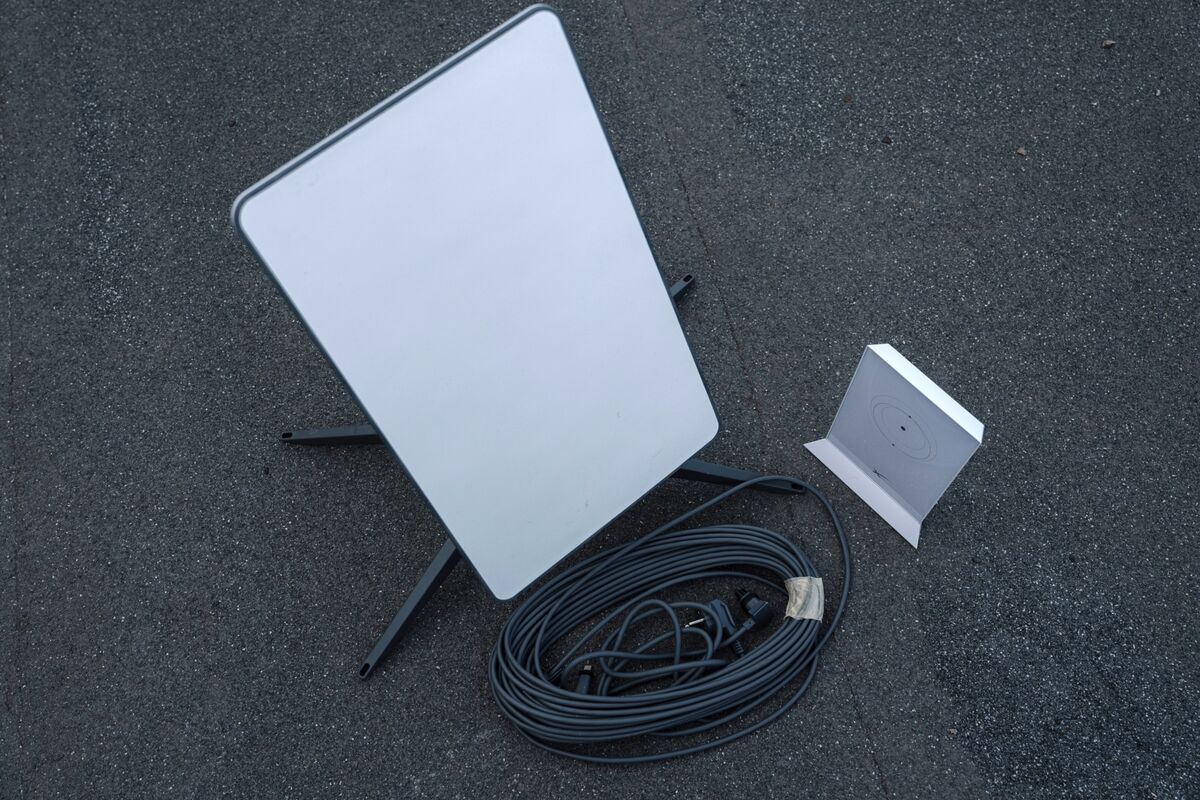
💡Starlink Africa entry blocked—check impacts on remote AI connectivity options
⚡ 30-Second TL;DR
What Changed
Starlink's bid for telecom license turned down
Why It Matters
Curbs Starlink's growth in underserved regions, potentially limiting low-latency connectivity options for remote AI deployments.
What To Do Next
Evaluate terrestrial alternatives like AWS Outposts for edge AI inference in African markets.
Key Points
- •Starlink's bid for telecom license turned down
- •Radio spectrum access also denied
- •Elon Musk's service blocked from Namibia operations
🧠 Deep Insight
AI-generated analysis for this event — not the original article.
🔑 Enhanced Key Takeaways
- •The Communications Regulatory Authority of Namibia (CRAN) cited Starlink's failure to comply with local ownership requirements, specifically the mandate that telecommunications licensees must have at least 20% local equity ownership.
- •Namibian authorities expressed concerns regarding the lack of a local physical presence and the potential impact on the existing domestic telecommunications market, which is dominated by state-owned Telecom Namibia and private operator MTC.
- •This rejection aligns with a broader trend of regulatory friction for Starlink across Southern Africa, where similar local equity and licensing hurdles have delayed or complicated market entry in countries like South Africa and Botswana.
📊 Competitor Analysis▸ Show
| Feature | Starlink | Telecom Namibia (Fixed/Mobile) | MTC Namibia |
|---|---|---|---|
| Technology | LEO Satellite | Fiber/LTE/5G | Fiber/LTE/5G |
| Latency | 25-50ms | 10-30ms (Fiber) | 20-50ms |
| Coverage | Global (where licensed) | National (Urban/Populated) | National (Urban/Populated) |
| Pricing Model | High CapEx + Monthly | Tiered Monthly | Tiered Monthly |
🔮 Future ImplicationsAI analysis grounded in cited sources
⏳ Timeline
Weekly AI Recap
Read this week's curated digest of top AI events →
👉Related Updates

AI-curated news aggregator. All content rights belong to original publishers.
Original source: Bloomberg Technology ↗
This is a summary, not the original. Read the source, or get the weekly briefing.
Weekly AI briefing
One email a week. Unsubscribe anytime.