🇨🇳cnBeta (Full RSS)•Stalecollected in 80m
MS Explains Fast Download Slow Install in Win11 Updates
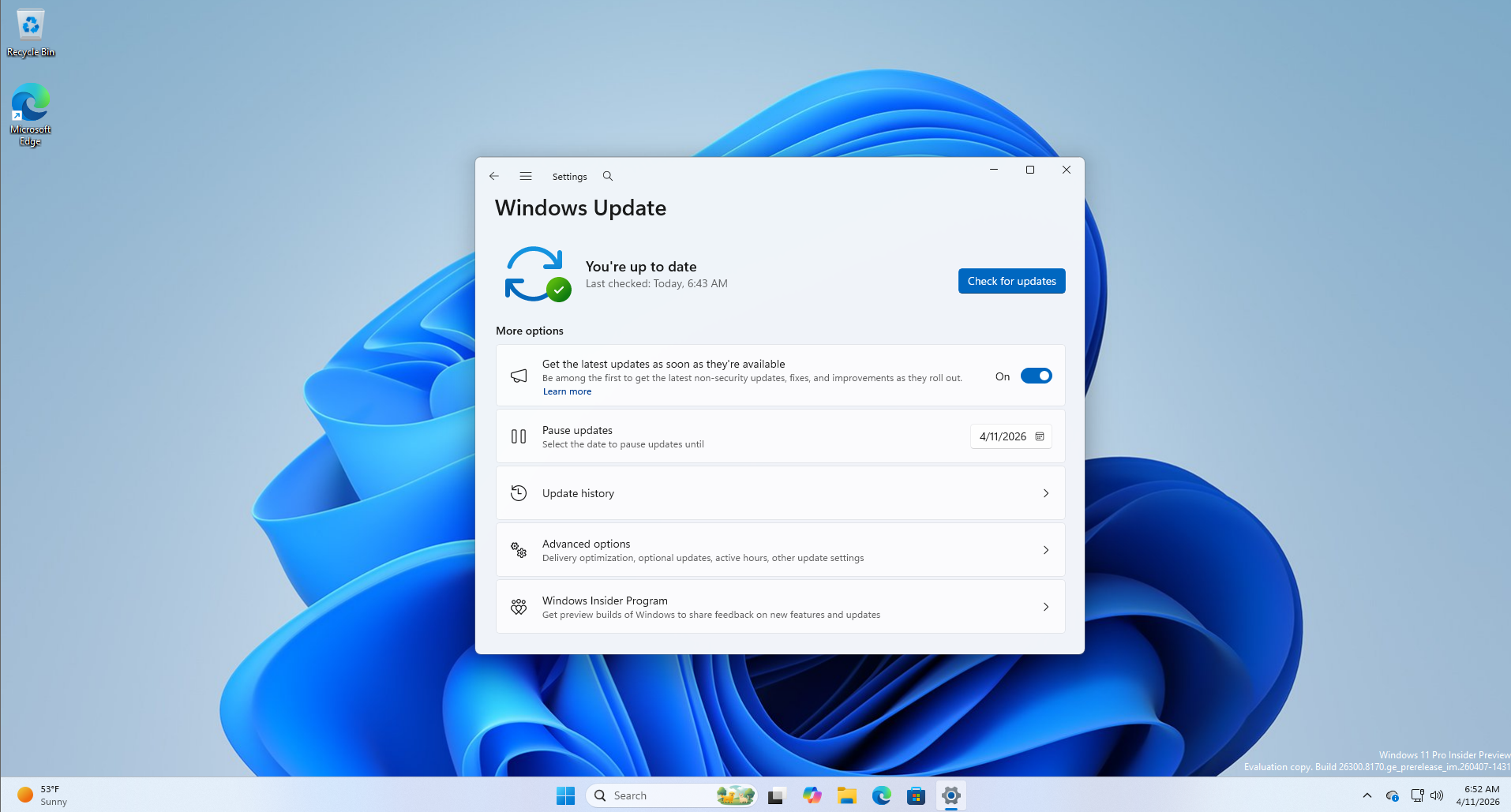
💡Saves diagnosing 'stuck' updates on Windows dev rigs—intentional for reliability.
⚡ 30-Second TL;DR
What Changed
Quick downloads followed by extended installation phase post-reboot
Why It Matters
Reduces unnecessary troubleshooting for users and devs, building trust in Windows Update reliability for stable dev environments.
What To Do Next
Run Windows Update on your dev machine and let installs complete fully for latest security patches.
Who should care:Developers & AI Engineers
Key Points
- •Quick downloads followed by extended installation phase post-reboot
- •Design choice to verify and ensure higher update success rates
- •Explains common 'spinning circle' complaints among Windows 11 users
🧠 Deep Insight
AI-generated analysis for this event.
🔑 Enhanced Key Takeaways
- •Microsoft implemented 'Checkpoint Cumulative Updates' to reduce the size of update payloads by only downloading the necessary binary differences since the last checkpoint, rather than the entire cumulative package.
- •The installation phase involves a 'staged' process where the OS validates the integrity of the new files against the existing system state in a secure environment before committing changes to the boot partition.
- •The 'spinning circle' behavior is exacerbated by the 'Trusted Installer' service performing extensive file system permission checks and registry hive modifications to ensure system stability during the transition.
🛠️ Technical Deep Dive
- •Checkpoint Cumulative Updates: Utilizes a differential patching mechanism that breaks down the monolithic cumulative update into smaller, manageable chunks.
- •Component-Based Servicing (CBS): The core engine responsible for the installation phase, which manages the transactional integrity of system file replacements.
- •TrustedInstaller.exe: The primary service that handles the elevated privileges required to modify protected system files, often causing high I/O wait times during the post-reboot phase.
- •WinSxS (Windows Side-by-Side) folder: Acts as the staging area where new update components are verified before being linked into the active system directory.
🔮 Future ImplicationsAI analysis grounded in cited sources
Microsoft will transition to fully modular, background-only updates by 2027.
The shift toward checkpoint-based updates indicates a strategic move to decouple system updates from the monolithic reboot cycle.
Update-related boot times will decrease by 30% in future Windows 11 feature releases.
Optimization of the CBS engine and more granular checkpointing will reduce the volume of registry operations required during the post-reboot phase.
⏳ Timeline
2021-10
Windows 11 launches with a new update architecture designed for faster download speeds.
2023-09
Microsoft introduces 'Checkpoint Cumulative Updates' to address the growing size of Windows 11 update packages.
2024-05
Microsoft officially documents the 'staged' installation process to manage user expectations regarding reboot times.
📰
Weekly AI Recap
Read this week's curated digest of top AI events →
👉Related Updates
Same topic
Explore #windows-update
Same product
More on windows-11
Same source
Latest from cnBeta (Full RSS)
🏠
Microsoft details Windows 11 performance and AI optimizations
IT之家•Jul 31

Microsoft plans to transform Minecraft into a global creator platform
cnBeta (Full RSS)•Aug 1

SpaceX Rocket Debris to Impact Moon
cnBeta (Full RSS)•Aug 1

Apple warns of potential AI compute resource shortages
cnBeta (Full RSS)•Aug 1
AI-curated news aggregator. All content rights belong to original publishers.
Original source: cnBeta (Full RSS) ↗