Models Go Global Before Compute
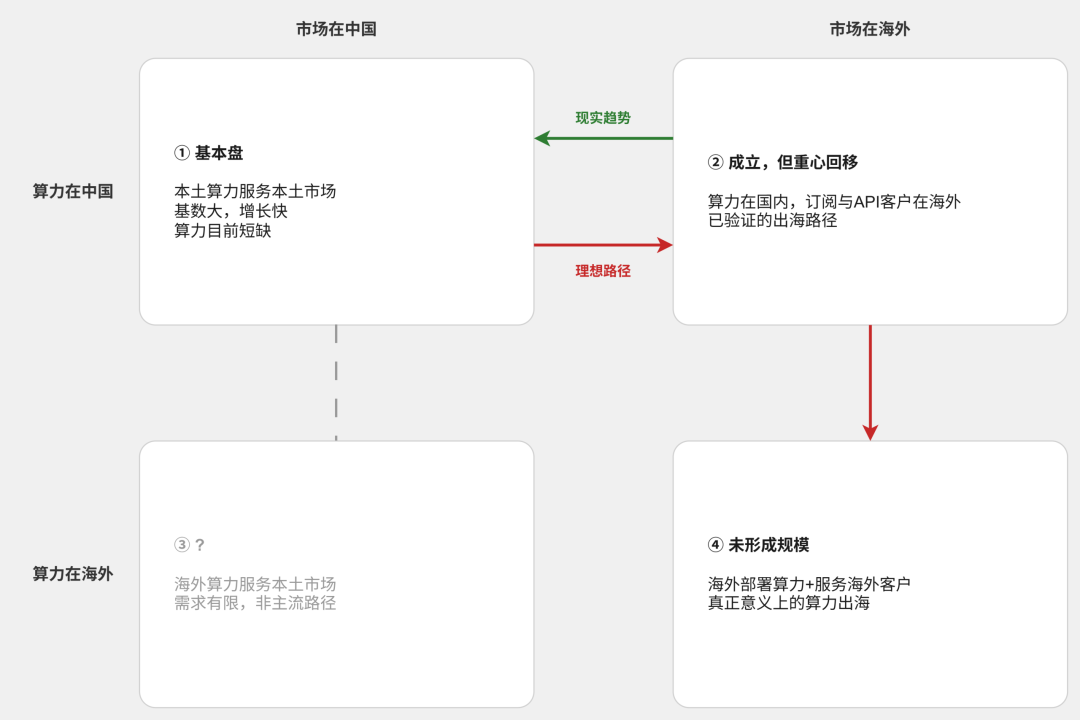
💡China’s AI export strategy is shifting from shipping GPUs to licensing models and partnering with local sovereign-AI sys
⚡ 30-Second TL;DR
What Changed
MiniMax’s platform and enterprise-service revenue grew 703%, while its overseas revenue share fell from 72% to 61%, showing stronger domestic demand.
Why It Matters
For AI founders, the most realistic internationalization strategy is to export model IP and capabilities while relying on local cloud infrastructure and customers. This reduces exposure to overseas compute deployment costs and may also help address sovereignty and data-localization requirements.
What To Do Next
Evaluate an overseas deployment plan that uses a local CSP to host an open-weight model, and model licensing, data-residency, and revenue-sharing costs before exporting compute.
Key Points
- •MiniMax’s platform and enterprise-service revenue grew 703%, while its overseas revenue share fell from 72% to 61%, showing stronger domestic demand.
- •China’s AI compute demand grew 417% year over year in the first quarter, versus only 128% growth in effective supply.
- •Kimi K3 and MiniMax H3 use commercial licensing thresholds and revenue-sharing arrangements for overseas MaaS deployment.
- •MiniMax delivered Saudi Arabia’s Humain-M3, adapting its model with more than one trillion Arabic-language training tokens.
- •Token exports have achieved initial commercial validation, but remain small compared with China’s domestic token consumption.
Weekly AI Recap
Read this week's curated digest of top AI events →
👉Related Updates



AI-curated news aggregator. All content rights belong to original publishers.
Original source: 虎嗅 ↗
This is a summary, not the original. Read the source, or get the weekly briefing.
Weekly AI briefing
One email a week. Unsubscribe anytime.