Lab-grown brains may awaken consciousness
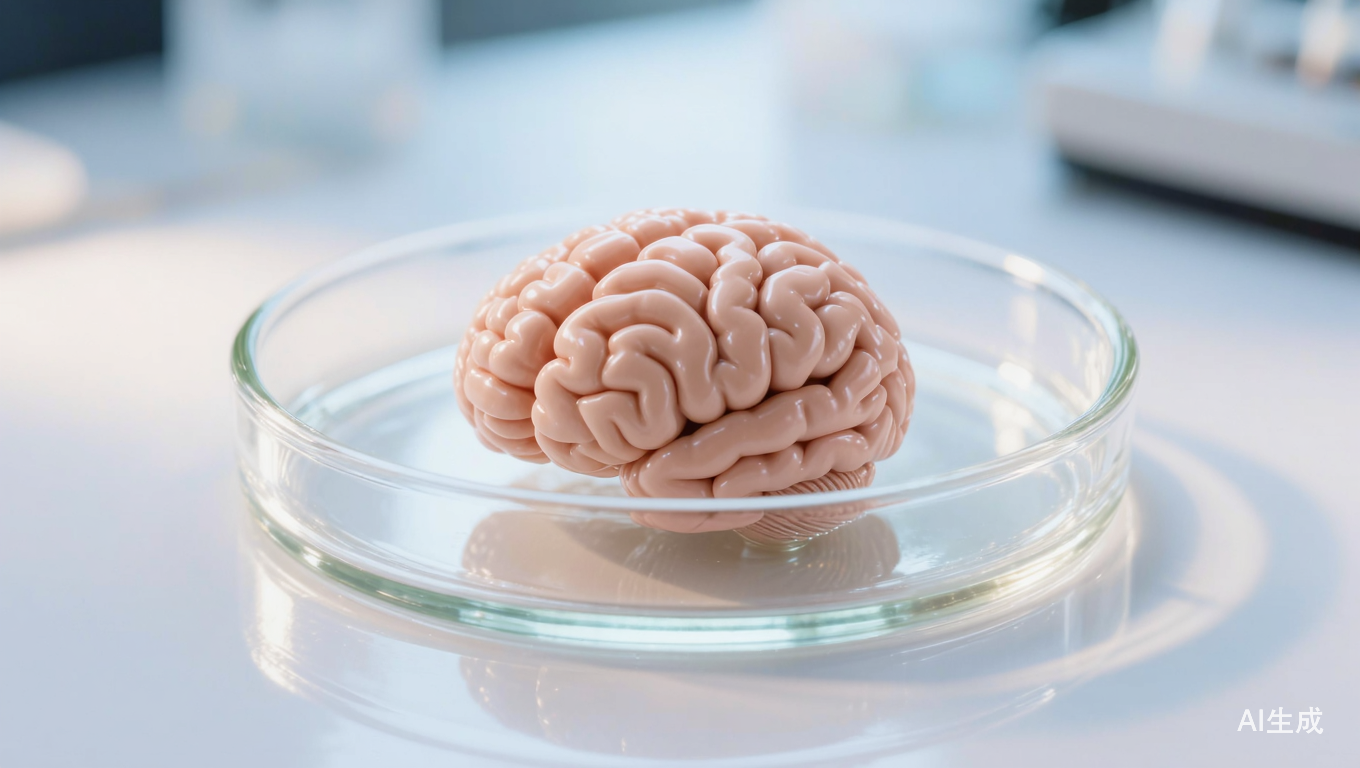
💡Organoid 'sentience' experiments challenge AI consciousness debates—bio compute incoming?
⚡ 30-Second TL;DR
What Changed
Cortical Labs trained flat brain cell cultures to play simulated Pong, showing adaptive learning.
Why It Matters
Advances in organoids could inspire neuromorphic AI hardware and raise bio-AI ethics debates. Funding stability may accelerate hybrid bio-compute research.
What To Do Next
Read Owen's Neuroethics paper on organoid consciousness theories for bio-AI philosophy.
Key Points
- •Cortical Labs trained flat brain cell cultures to play simulated Pong, showing adaptive learning.
- •Owen's 2025 paper contrasts mechanism theory (consciousness = neural patterns) vs. subject theory (needs a living subject).
- •US NIH policy promotes organoids over animals, as they likely lack consciousness.
- •Organoids more likely to gain consciousness than AI due to biological similarity.
🧠 Deep Insight
Background and context from public sources — not the original article. 5 sources cited.
🔑 Enhanced Key Takeaways
- •Johns Hopkins researcher Lena Smirnova is training brain organoids like machine learning models to assess learning and memory, aiming to minimize animal testing in toxicology.[1]
- •UC Santa Cruz's Tal Sharf demonstrated that brain organoids exhibit preconfigured structured electrical activity patterns resembling the brain's default mode, even without sensory input, suggesting a genetic blueprint for neural dynamics.[3]
- •Sergiu Pasca's team at Stanford used organoids to identify antisense oligonucleotides reducing defective proteins in Timothy syndrome models, successfully tested in rat brains, with clinical trials planned for cognitive symptoms.[4]
- •Alysson Muotri believes organoids may already possess consciousness in their own unique way, differing from human consciousness, amid ongoing debates on detection methods.[1]
🔮 Future ImplicationsAI analysis grounded in cited sources
⏳ Timeline
📎 Sources (5)
Factual claims are grounded in the sources below. Forward-looking analysis is AI-generated interpretation.
Weekly AI Recap
Read this week's curated digest of top AI events →
👉Related Updates


AI-curated news aggregator. All content rights belong to original publishers.
Original source: 虎嗅 ↗
This is a summary, not the original. Read the source, or get the weekly briefing.
Weekly AI briefing
One email a week. Unsubscribe anytime.