Kirin 2026 Data Supports Cooler Tau Scaling
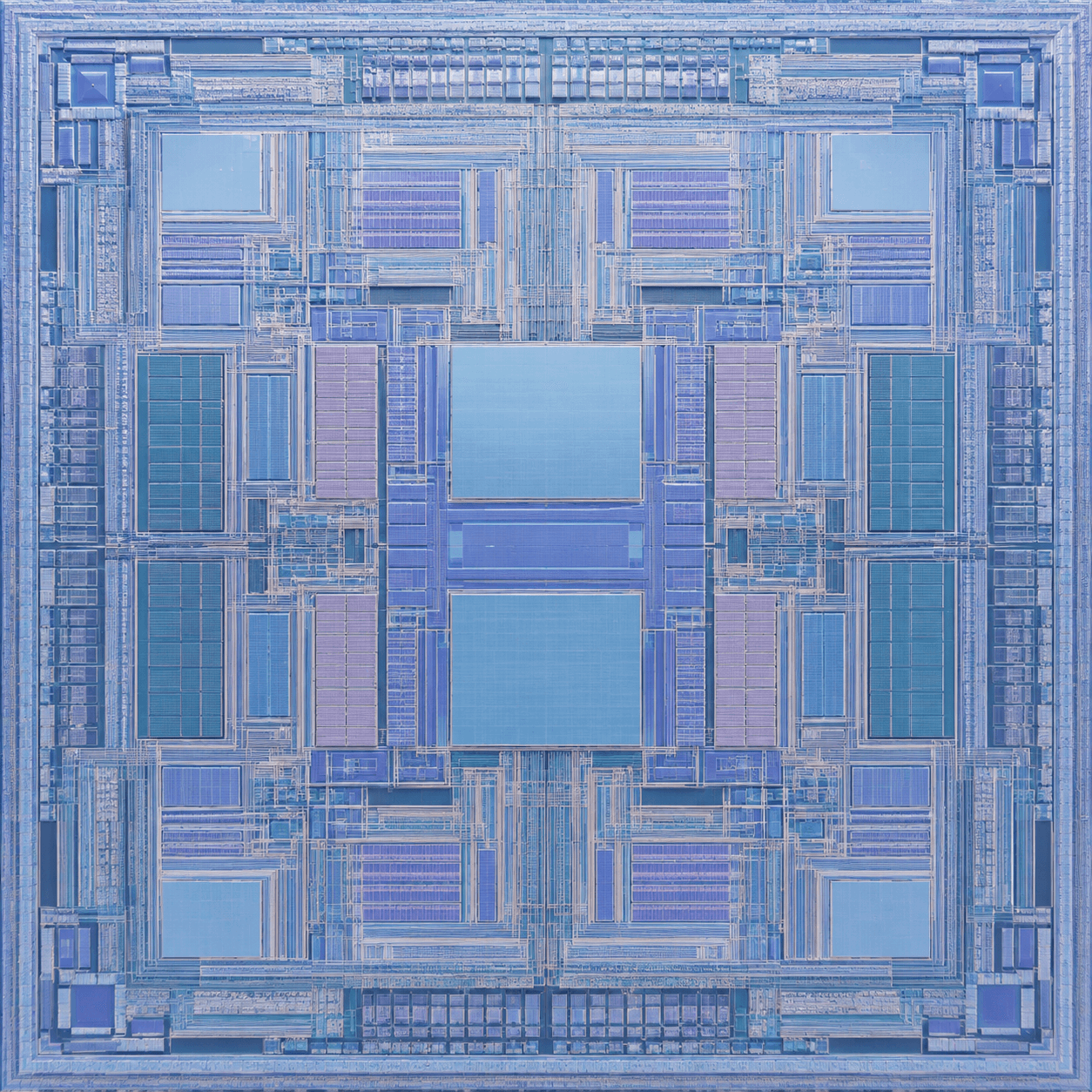
💡Kirin 2026 data challenges the assumption that denser stacked AI silicon must run hotter.
⚡ 30-Second TL;DR
What Changed
The paper uses Kirin 2026 silicon data as evidence for Tau Scaling.
Why It Matters
If independently validated, the results could strengthen the case for denser AI and heterogeneous-computing designs without proportionally increasing thermal pressure. Chip architects should nevertheless distinguish reported paper results from production-wide evidence.
What To Do Next
Review the paper’s Kirin 2026 power and density measurements, then reproduce its matched-performance comparison on your target AI accelerator workload.
Key Points
- •The paper uses Kirin 2026 silicon data as evidence for Tau Scaling.
- •Reported transistor density is approximately 55% higher.
- •NPU, GPU, and CPU power consumption reportedly falls at matched performance.
Weekly AI Recap
Read this week's curated digest of top AI events →
👉Related Updates

AI-curated news aggregator. All content rights belong to original publishers.
Original source: Pandaily ↗
This is a summary, not the original. Read the source, or get the weekly briefing.
Weekly AI briefing
One email a week. Unsubscribe anytime.