Kenyan ride-hailing drivers call for industrialization
💡A sobering look at the gig economy in emerging markets, providing context for AI deployment in infrastructure-limited re
⚡ 30-Second TL;DR
What Changed
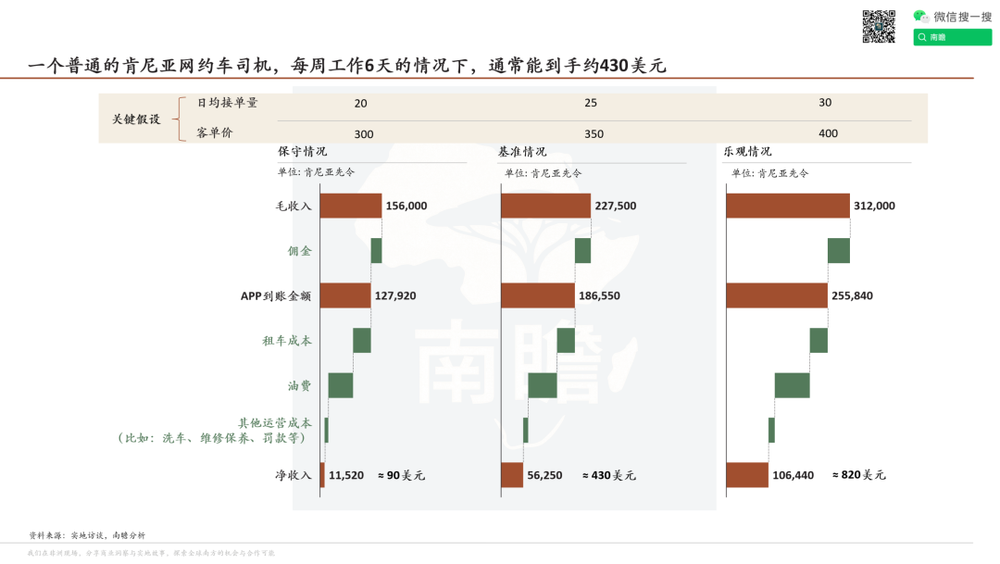
Average monthly income for a ride-hailing driver in Nairobi is approximately $430.
Why It Matters
The article illustrates the digital divide and the limitations of the gig economy in developing markets. It highlights the critical need for foundational infrastructure to support sustainable economic growth.
What To Do Next
When developing AI for emerging markets, consider the infrastructure constraints and the need for low-bandwidth, high-efficiency solutions.
Key Points
- •Average monthly income for a ride-hailing driver in Nairobi is approximately $430.
- •Gig economy work is often a fallback for those unable to find formal industrial employment.
- •Drivers face high platform commissions and rental costs, limiting their net earnings.
- •Infrastructure development and industrialization are identified as key drivers for stable job creation.
🧠 Deep Insight
AI-generated analysis for this event — not the original article.
🔑 Enhanced Key Takeaways
- •The Kenyan government introduced the Transport Network Companies (TNC) Regulations in 2022, which capped platform commissions at 18% to protect driver earnings, though enforcement remains a point of contention.
- •Ride-hailing drivers in Nairobi have frequently engaged in coordinated 'log-off' strikes to protest against dynamic pricing algorithms that they claim do not account for rising fuel costs and vehicle maintenance.
- •A significant portion of the driver population operates under a 'work-for-hire' model where they do not own their vehicles, leading to high daily remittance targets that exacerbate financial precarity.
- •The Kenyan National Bureau of Statistics has noted a shift in labor trends where the informal sector, including gig work, accounts for over 80% of total employment, highlighting the structural gap in manufacturing and industrial jobs.
- •Digital labor platforms in Kenya are increasingly facing legal challenges regarding the classification of drivers as independent contractors versus employees, which would entitle them to benefits like health insurance and pension contributions.
📊 Competitor Analysis▸ Show
| Feature | Uber | Bolt | Little Cab |
|---|---|---|---|
| Market Presence | Global/Dominant | Strong African Footprint | Local Kenyan Focus |
| Commission Cap | 18% (Regulated) | 18% (Regulated) | 15-18% |
| Driver Benefits | Limited/Optional | Limited/Optional | Localized Support |
| Pricing Model | Dynamic/Surge | Dynamic/Surge | Fixed/Negotiated Options |
🔮 Future ImplicationsAI analysis grounded in cited sources
⏳ Timeline
Weekly AI Recap
Read this week's curated digest of top AI events →
👉Related Updates



AI-curated news aggregator. All content rights belong to original publishers.
Original source: 虎嗅 ↗
This is a summary, not the original. Read the source, or get the weekly briefing.
Weekly AI briefing
One email a week. Unsubscribe anytime.