Beijing Hyundai pivots to local AI and EV strategy
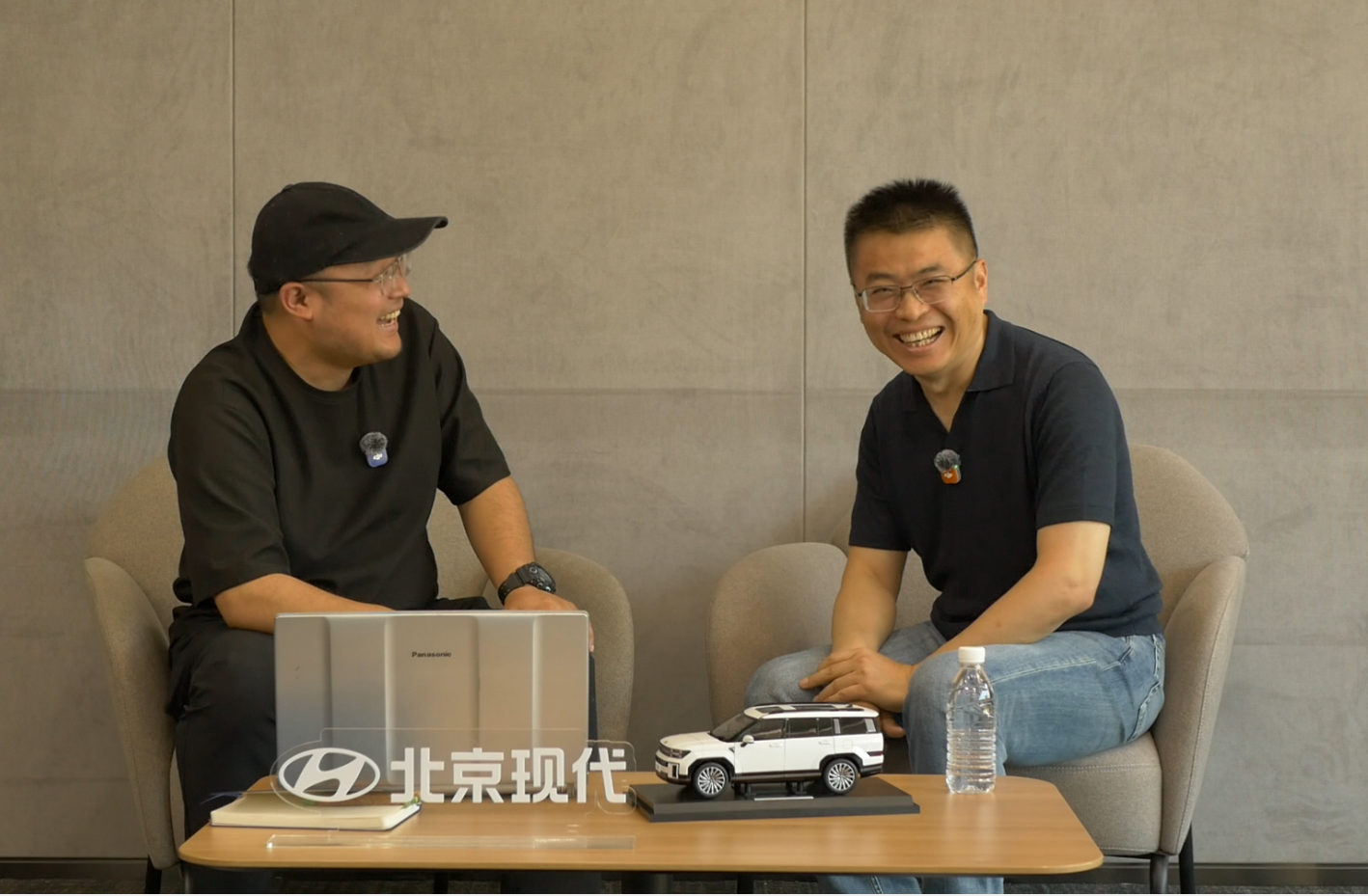
💡Legacy auto giant pivots to local AI integration—a blueprint for global brands struggling in the Chinese EV market.
⚡ 30-Second TL;DR
What Changed
Appointed first Chinese GM to grant more autonomy from Korean headquarters.
Why It Matters
This shift highlights the necessity for legacy automakers to adopt local AI ecosystems to remain competitive in the Chinese market. It signals a broader trend of 'global brands, local intelligence' in the automotive industry.
What To Do Next
If you are developing automotive AI, evaluate the integration of local LLMs like Ernie Bot for Chinese-market vehicle cockpit projects.
Key Points
- •Appointed first Chinese GM to grant more autonomy from Korean headquarters.
- •Integrating local AI models like Baidu's Ernie Bot and Doubao into vehicle cockpits.
- •Adopting a 'China-first' R&D approach with over 1,300 local engineers.
- •Launching the IONIQ brand in China with localized smart features and L2+ autonomous driving.
🧠 Deep Insight
AI-generated analysis for this event — not the original article.
🔑 Enhanced Key Takeaways
- •Beijing Hyundai's shift includes a transition to the 'In China, For China' strategy, specifically targeting the rapid decline in market share which saw sales drop from over 1 million units annually in 2016 to under 250,000 by 2024.
- •The company is leveraging the Hyundai Motor Group's global E-GMP platform but modifying it with localized battery supply chains, primarily sourcing from CATL and other domestic Chinese battery manufacturers to reduce costs.
- •The leadership restructuring involves a closer collaboration with BAIC Motor, where the new Chinese management team has been granted direct decision-making power over product planning, bypassing the traditional Seoul-centric approval process.
- •Beijing Hyundai is aggressively expanding its charging infrastructure by integrating with China's national charging networks, moving away from proprietary charging standards to ensure compatibility with the GB/T standards prevalent in the Chinese EV market.
- •The localization effort includes a significant overhaul of the infotainment OS, moving from Hyundai's global 'ccNC' (connected car Navigation Cockpit) to a customized Android-based framework that supports deep integration with WeChat, Meituan, and other essential Chinese super-apps.
📊 Competitor Analysis▸ Show
| Feature | Beijing Hyundai (New Strategy) | BYD (Han/Seal) | Tesla (Model 3/Y) |
|---|---|---|---|
| AI Integration | Baidu Ernie / Doubao | DiLink (In-house) | FSD / Tesla AI |
| Supply Chain | Localized (CATL/BAIC) | Vertical Integration | Global/Local Hybrid |
| Market Positioning | Value-Oriented Tech | Mass Market Dominance | Premium/Tech Leader |
| Autonomy | L2+ (Localized) | L2 (DiPilot) | L2+ (FSD) |
🛠️ Technical Deep Dive
- Integration of Baidu's Ernie Bot utilizes a cloud-edge hybrid architecture where basic voice commands are processed locally on the vehicle's SoC, while complex LLM queries are routed to Baidu's cloud via 5G.
- The localized cockpit utilizes a high-performance Qualcomm Snapdragon 8295 chip to handle the increased computational load of the integrated Chinese AI models.
- Implementation of the L2+ autonomous driving system relies on a sensor fusion suite consisting of 5-millimeter wave radars, 12 ultrasonic sensors, and 8 high-definition cameras, optimized for complex urban traffic scenarios in China.
🔮 Future ImplicationsAI analysis grounded in cited sources
⏳ Timeline
Weekly AI Recap
Read this week's curated digest of top AI events →
👉Related Updates

AI-curated news aggregator. All content rights belong to original publishers.
Original source: 虎嗅 ↗
This is a summary, not the original. Read the source, or get the weekly briefing.
Weekly AI briefing
One email a week. Unsubscribe anytime.