Kenya Criminalizes Unapproved High-Risk AI
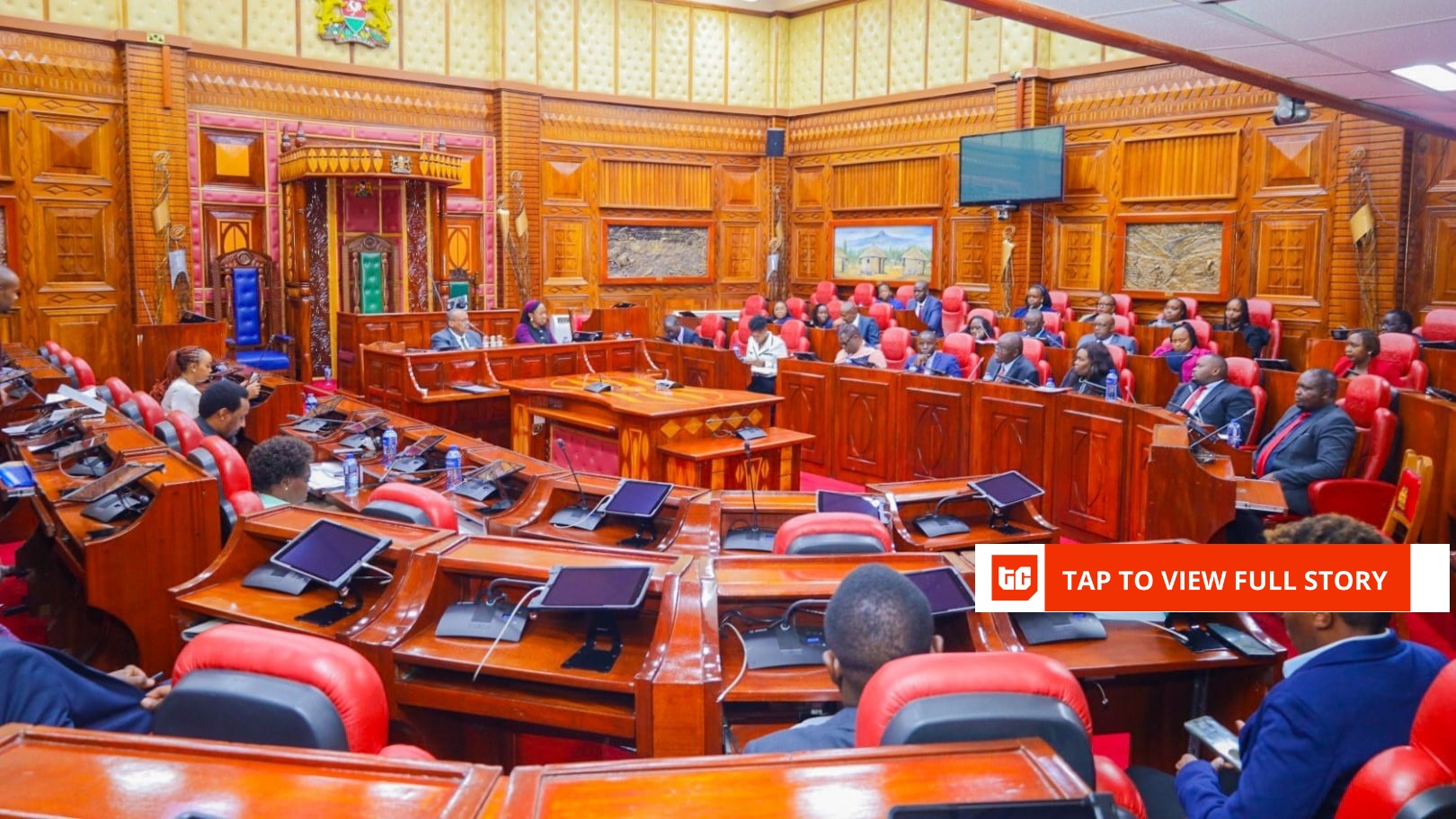
💡Kenya proposes jail/fines for unapproved high-risk AI—vital for compliance in East Africa.
⚡ 30-Second TL;DR
What Changed
Prohibits developing, deploying, or operating high-risk AI without commission approval
Why It Matters
AI companies and practitioners in Kenya must now classify systems as high-risk and obtain approvals, potentially delaying deployments. This could influence regional AI governance standards in Africa, prompting global firms to adapt compliance strategies.
What To Do Next
Review Kenya's Draft AI Bill 2026 to classify your AI systems and prepare for commission approval applications.
Key Points
- •Prohibits developing, deploying, or operating high-risk AI without commission approval
- •Imposes fines up to KES 5 million for violations
- •Includes jail terms of up to three years
- •Targets high-risk AI systems under Draft AI Bill 2026
🧠 Deep Insight
Background and context from public sources — not the original article. 7 sources cited.
🔑 Enhanced Key Takeaways
- •Kenya's AI Bill 2026 establishes an Office of the Artificial Intelligence Commissioner with investigative and penalty-imposition powers, creating a dedicated national regulatory authority rather than relying on existing agencies[1].
- •The legislation implements a four-tier risk classification system for AI technologies, with high-risk systems in healthcare, education, agriculture, finance, security, employment, and public administration subject to stricter oversight and mandatory registration in a public commissioner-maintained register[1].
- •The bill mandates transparency requirements including mandatory disclosure of AI system purpose, limitations, automated decision-making extent, and bias mitigation measures, with non-compliance penalties reaching 1 million shillings[1].
- •Citizens gain explicit legal protections including rights to human review of automated decisions, opportunity to express views, and ability to challenge AI-generated outcomes in employment, lending, welfare, and insurance contexts[1].
- •Kenya's regulatory framework builds on the Kenya National Artificial Intelligence Strategy 2025-2030 (published March 27, 2025), which established three foundational pillars: AI digital infrastructure, AI research and innovation, and sustainable data ecosystems[3].
🔮 Future ImplicationsAI analysis grounded in cited sources
⏳ Timeline
📎 Sources (7)
Factual claims are grounded in the sources below. Forward-looking analysis is AI-generated interpretation.
- iafrica.com — Kenyas Senate Debates AI Bill That Would Criminalize Deepfakes and Establish National Regulator
- streamlinefeed.co.ke — Kenyas New Copyright Bill Targets AI Driven Image Theft
- ictlc.com — The Rise of AI Legislation in Africa Kenya in Focus
- new.kenyalaw.org — Eng@2026 02 19
- streamlinefeed.co.ke — Judiciary Rejects AI Drafted Filings in Milestone Legal Ruling
- cms.law — Kenya
- theeastafrican.co.ke — Kenyan Court Says Applications Must Be Human Written Not AI 5386478
Weekly AI Recap
Read this week's curated digest of top AI events →
👉Related Updates

AI-curated news aggregator. All content rights belong to original publishers.
Original source: TechCabal ↗
This is a summary, not the original. Read the source, or get the weekly briefing.
Weekly AI briefing
One email a week. Unsubscribe anytime.