Kai Shu's OpenClaw Tips for Parents
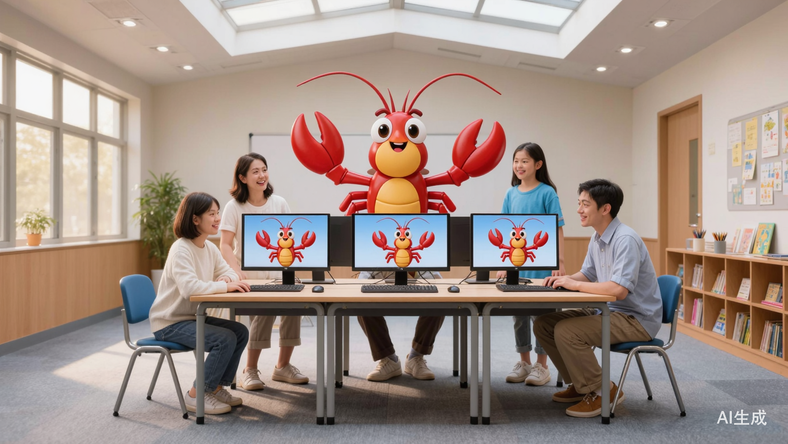
💡Expert tips on taming OpenClaw agents: naming, pitfalls, kid-safe use
⚡ 30-Second TL;DR
What Changed
Name AI agents thoughtfully to shape their role and outputs.
Why It Matters
Offers practical strategies for effective AI agent management, highlighting risks and best practices. Emphasizes judgment skills for AI era, relevant for creators and parents integrating AI.
What To Do Next
Draft soul documents for your AI agents and have them rewrite based on chat history.
Key Points
- •Name AI agents thoughtfully to shape their role and outputs.
- •Let AI refine its own 'soul documents' from interaction history for clarity.
- •Avoid giving AI financial access or system configs due to overconfident mistakes.
- •Prioritize human judgment on what, how, and success criteria.
- •Kids 6+: think independently first, use AI as aid with parental oversight.
🧠 Deep Insight
AI-generated analysis for this event — not the original article.
🔑 Enhanced Key Takeaways
- •OpenClaw utilizes a 'Soul Document' architecture, which functions as a persistent, evolving system prompt that dynamically updates based on user-agent interaction history to maintain persona consistency.
- •The platform implements a 'Sandboxed Agency' model, specifically restricting AI agents from executing system-level commands or financial transactions to mitigate risks associated with LLM hallucination and over-confidence.
- •Kai Shu advocates for a 'Cognitive-First' pedagogical approach, where AI interaction is intentionally delayed until children demonstrate foundational problem-solving skills to prevent cognitive atrophy.
🔮 Future ImplicationsAI analysis grounded in cited sources
⏳ Timeline
Weekly AI Recap
Read this week's curated digest of top AI events →
👉Related Updates
AI-curated news aggregator. All content rights belong to original publishers.
Original source: 虎嗅 ↗
This is a summary, not the original. Read the source, or get the weekly briefing.
Weekly AI briefing
One email a week. Unsubscribe anytime.