🗾ITmedia AI+ (日本)•Freshcollected in 2h
Joshin Implements Face Recognition for Employee Attendance
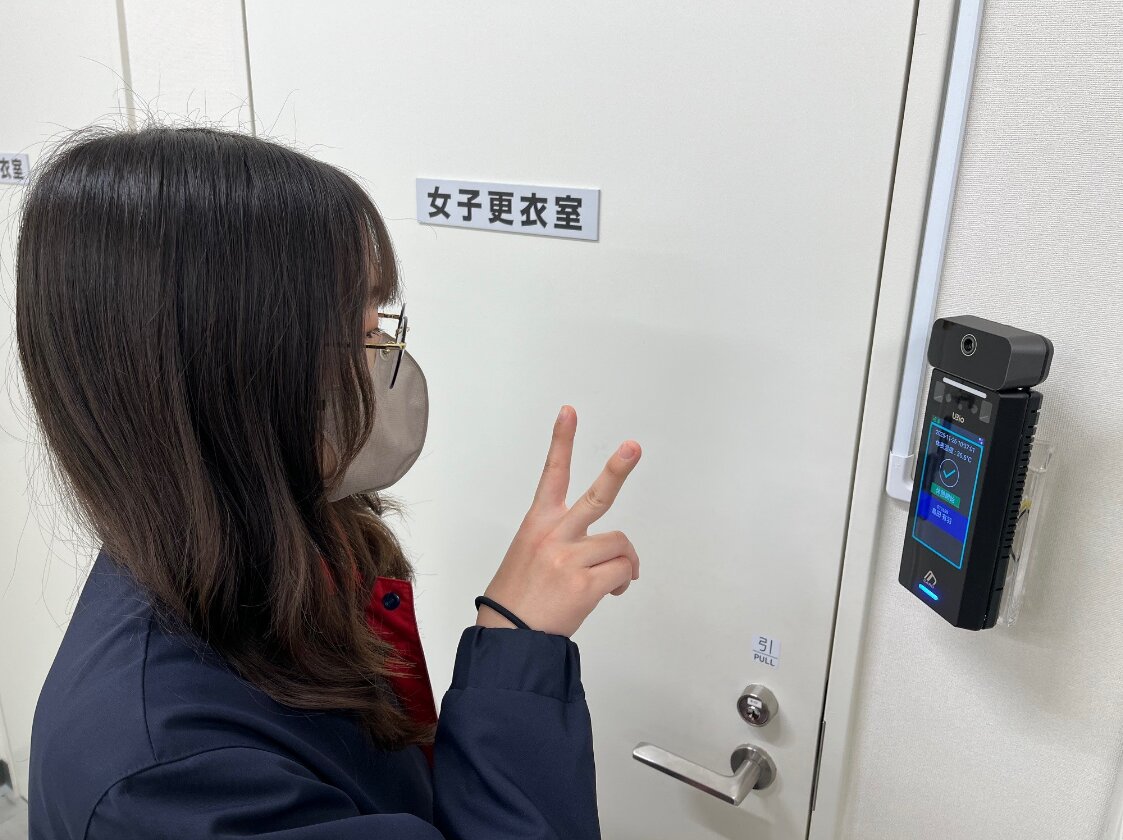
💡See how a major retailer successfully improved operational efficiency using AI-powered face recognition.
⚡ 30-Second TL;DR
What Changed
Joshin deployed face recognition across all business locations.
Why It Matters
This case study demonstrates how biometric AI can improve operational efficiency and employee experience in retail environments.
What To Do Next
Consider integrating biometric authentication APIs into your internal tools to reduce friction in repetitive employee workflows.
Who should care:Enterprise & Security Teams
Key Points
- •Joshin deployed face recognition across all business locations.
- •The system integrates cloud services with specialized hardware for attendance management.
- •User-friendly features like gesture-based authentication increase employee adoption.
🧠 Deep Insight
AI-generated analysis for this event.
🔑 Enhanced Key Takeaways
- •The system utilizes NEC Corporation's 'NeoFace' facial recognition technology, which is recognized for high-speed and high-accuracy authentication even with masks or varying lighting conditions.
- •Joshin Denki integrated this solution to address labor shortages and reduce administrative overhead associated with traditional time-card or IC-card systems.
- •The gesture-based authentication feature is specifically designed to prevent 'buddy punching' (proxy attendance) by requiring a live, non-static action during the check-in process.
- •Data privacy measures include the encryption of facial feature templates, which are stored as mathematical vectors rather than actual images to comply with Japanese personal information protection laws.
- •The deployment is part of a broader digital transformation (DX) strategy at Joshin to centralize human resource data across its nationwide retail network.
📊 Competitor Analysis▸ Show
| Feature | Joshin (NeoFace) | Competitor A (Generic IC Card) | Competitor B (Smartphone GPS) |
|---|---|---|---|
| Authentication Method | Biometric (Face + Gesture) | Physical Card | GPS/Network Geofencing |
| Fraud Resistance | High (Liveness Detection) | Low (Card Sharing) | Medium (Spoofing Apps) |
| Hardware Cost | High (Requires Cameras) | Low (Card Readers) | None (BYOD) |
| Speed | Fast (Contactless) | Moderate (Tap) | Slow (App Loading) |
🛠️ Technical Deep Dive
- Core Engine: NEC NeoFace facial recognition algorithm utilizing deep learning for feature extraction.
- Liveness Detection: Integrated gesture recognition module that validates real-time user presence to mitigate spoofing attacks.
- Data Architecture: Cloud-based synchronization where facial templates are converted into irreversible biometric vectors.
- Hardware Integration: Deployment of specialized edge-computing terminals at store entrances capable of local processing to minimize latency.
- Compliance: System architecture adheres to the Act on the Protection of Personal Information (APPI) in Japan, ensuring biometric data is not stored as reconstructible images.
🔮 Future ImplicationsAI analysis grounded in cited sources
Expansion into customer-facing personalized services.
The existing facial recognition infrastructure can be repurposed for loyalty program identification or personalized product recommendations within the retail environment.
Reduction in payroll processing time by over 30%.
Automated attendance data integration with payroll software eliminates manual entry errors and reconciliation tasks previously handled by store managers.
⏳ Timeline
2023-04
Joshin announces a multi-year digital transformation (DX) roadmap.
2024-11
Pilot testing of biometric attendance systems begins in select Osaka-area stores.
2025-06
Full-scale rollout of the cloud-based attendance system commences across all nationwide locations.
2026-02
System optimization completed, including the addition of gesture-based authentication features.
📰
Weekly AI Recap
Read this week's curated digest of top AI events →
👉Related Updates
AI-curated news aggregator. All content rights belong to original publishers.
Original source: ITmedia AI+ (日本) ↗