Joe Tsai: China's AI Edge from Power Grid, Open-Source
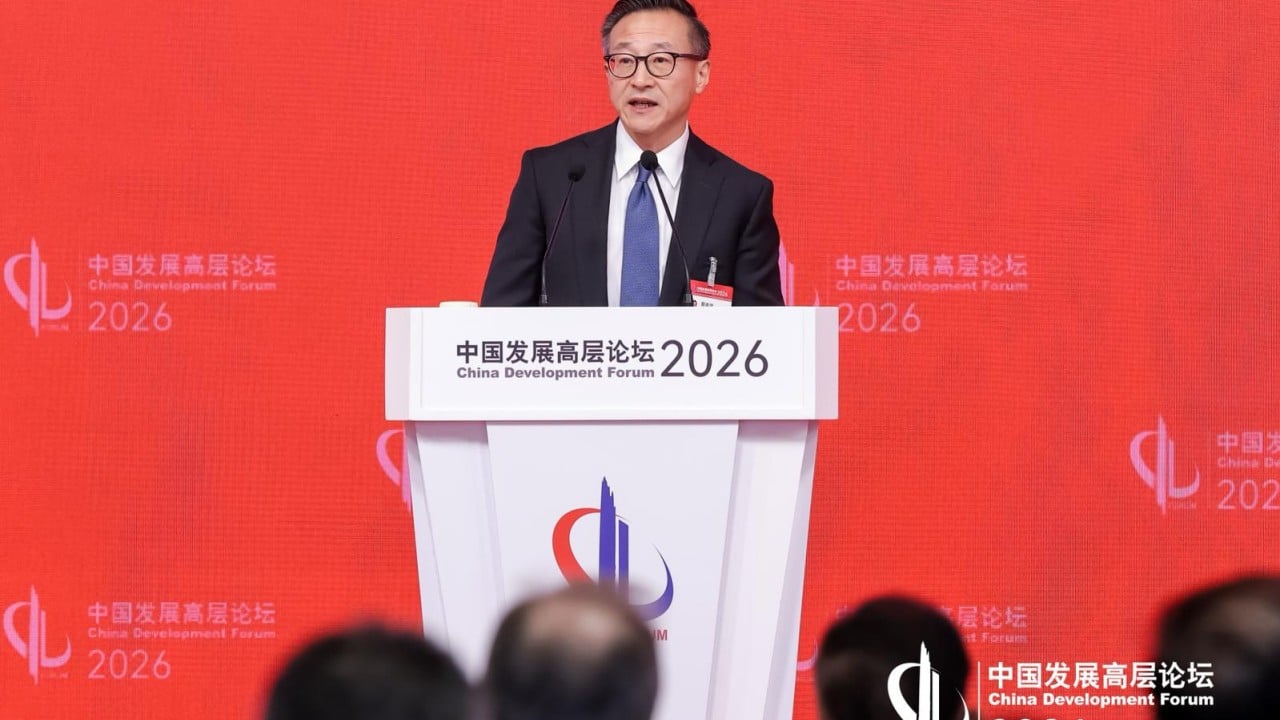
💡China's power grid + open-source fuel AI lead—key strategy for global scaling.
⚡ 30-Second TL;DR
What Changed
China's power grid strengthening enables massive AI compute scaling.
Why It Matters
China's infrastructure advantages position it as an AI leader, potentially accelerating open-source advancements and challenging Western dominance. AI practitioners gain insights into scaling factors beyond chips, like energy reliability.
What To Do Next
Explore Alibaba's open-source AI models like Qwen for cost-effective fine-tuning.
Key Points
- •China's power grid strengthening enables massive AI compute scaling.
- •Commitment to open-source AI models fosters innovation and accessibility.
- •Complete manufacturing supply chain bolsters AI hardware security.
- •Geopolitical issues hinder global tech achievement sharing.
🧠 Deep Insight
AI-generated analysis for this event — not the original article.
🔑 Enhanced Key Takeaways
- •Tsai highlighted the 'Qwen' model series as a primary beneficiary of China's open-source ecosystem, noting that its performance on benchmarks like MMLU has reached parity with top-tier Western proprietary models.
- •The integration of AI into China's State Grid is specifically focused on 'predictive load balancing,' which allows data centers to dynamically shift compute workloads based on real-time renewable energy availability.
- •Alibaba is pivoting its hardware strategy toward 'heterogeneous computing' architectures to mitigate the impact of ongoing US-led export restrictions on high-end GPUs.
🔮 Future ImplicationsAI analysis grounded in cited sources
⏳ Timeline
Weekly AI Recap
Read this week's curated digest of top AI events →
👉Related Updates


AI-curated news aggregator. All content rights belong to original publishers.
Original source: SCMP Technology ↗
This is a summary, not the original. Read the source, or get the weekly briefing.
Weekly AI briefing
One email a week. Unsubscribe anytime.