ISS astronauts shelter in SpaceX Dragon due to air leak
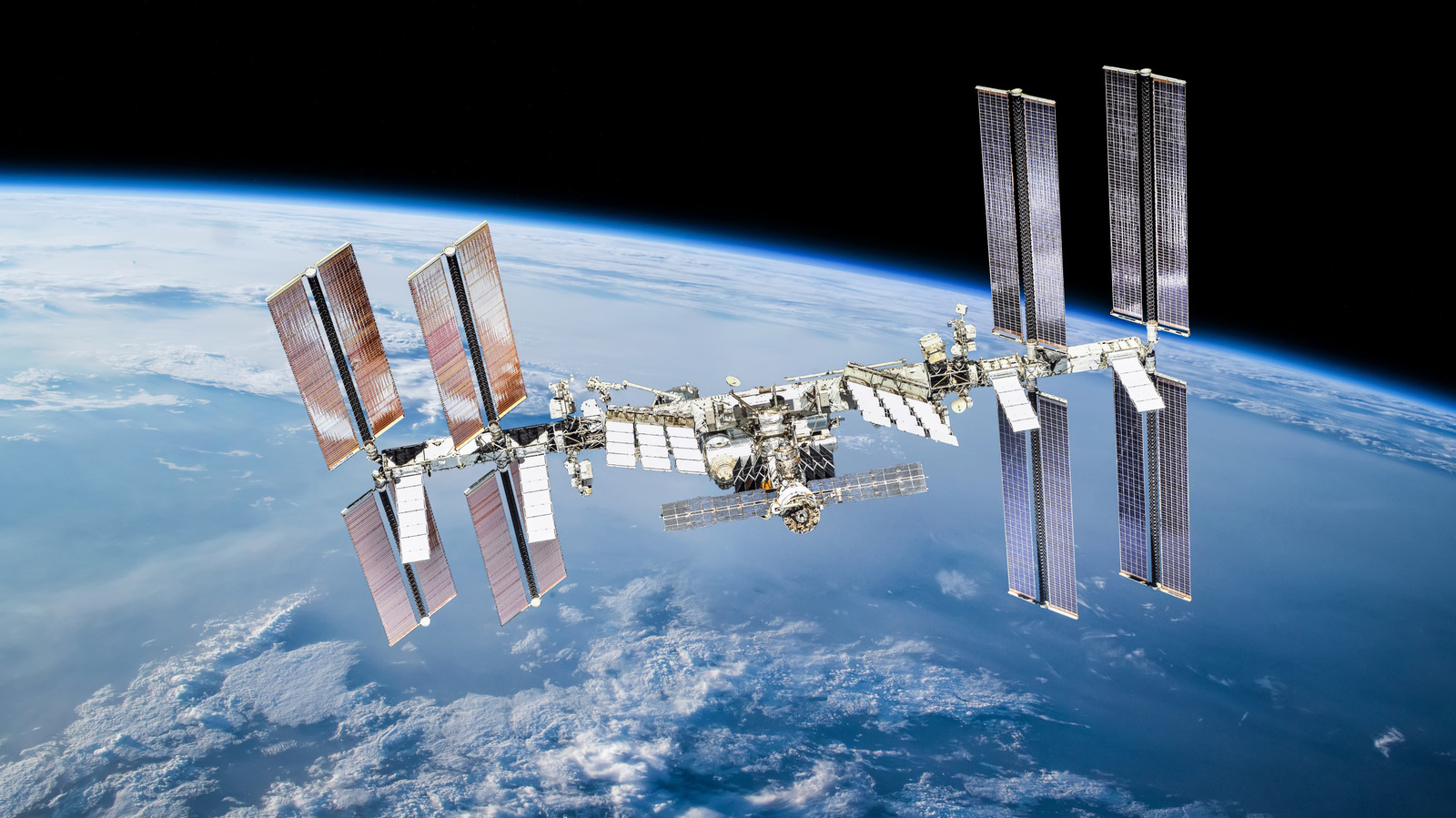
💡Critical safety incident involving SpaceX hardware; essential for those tracking aerospace reliability and robotics.
⚡ 30-Second TL;DR
What Changed
An air leak was detected on the International Space Station.
Why It Matters
This incident highlights the critical reliance on robust, autonomous safety systems in space infrastructure. It underscores the importance of redundancy in life-support hardware for long-term space missions.
What To Do Next
Monitor NASA and SpaceX official updates to understand the failure mode of the life-support system for future aerospace engineering reference.
Key Points
- •An air leak was detected on the International Space Station.
- •Astronauts utilized the SpaceX Dragon capsule as a safety shelter.
- •Investigation is ongoing to determine the source and severity of the leak.
🧠 Deep Insight
Background and context from public sources — not the original article. 20 sources cited.
🔑 Enhanced Key Takeaways
- •The air leak was detected in the Zvezda Service Module's transfer tunnel (PrK) on the Russian side of the International Space Station, a section that has suffered from cracks and leaks for some time.
- •The issue of cracks and leaks in the Zvezda module has persisted for approximately six years and has been elevated to a "top safety risk" by NASA's Office of Inspector General.
- •Five of the seven astronauts aboard the ISS sheltered in the docked SpaceX Crew Dragon "Freedom" capsule, designated as a "safe haven," while two Russian cosmonauts attempted repairs on the module.
- •The incident occurred after the Russian Space Agency Roscosmos discovered new air leaks during the pressurization of the Zvezda module's transfer chamber following the arrival of a Russian cargo ship.
- •Roscosmos paused the repair efforts to take measurements and assess data, leading NASA to back out of the "safe haven" configuration and return the crew to normal operations.
📊 Competitor Analysis▸ Show
| Feature/Aspect | SpaceX Crew Dragon | Boeing CST-100 Starliner | Russian Soyuz MS |
|---|---|---|---|
| Developer/Operator | SpaceX | Boeing | Roscosmos |
| Max Crew Capacity | 7 passengers (typically 4 for NASA missions) | 7 passengers (typically 4 for NASA missions) | 3 passengers |
| Max Docked Duration | 210 days | 210 days | 180 days |
| First Crewed Flight | May 30, 2020 | June 5, 2024 (first crewed test flight) | April 23, 1967 (Soyuz program) |
| Launch Vehicle | Falcon 9 | Atlas V (compatible with multiple rockets) | Soyuz rocket |
| Landing Method | Parachute-assisted splashdown in ocean | Airbag-assisted ground landing | Parachute-assisted ground landing (Kazakhstan) |
| Reusability | Capsule and Falcon 9 first stage reusable | Capsule designed for reusability (still declaring) | Capsule is largely single-use |
| Cost per Seat | ~$55M - $72M (depending on contract extension) | ~$90M | ~$82M - $86M |
| Autonomy | Can fly autonomously for up to 10 days | Can fly autonomously for up to 60 hours | Less autonomous, more manual control |
| Interior Design | Sleek touchscreen controls | Mix of physical buttons/switches and tablet technology | Traditional, cramped, physical controls |
| Emergency Role | Designated "safe haven" and direct escape vehicle | Designed for crew transport and potential safe haven | Primary crew transport, limited safe haven capacity |
| Development Cost | ~$3.1B (NASA funding) | ~$4.8B (NASA funding) | Long-standing program, costs integrated |
🛠️ Technical Deep Dive
- The SpaceX Crew Dragon's Environmental Control and Life Support System (ECLSS) is designed to provide a habitable cabin environment, including air circulation, fire detection and suppression, pressure control, and humidity monitoring.
- The Crew Dragon utilizes a nitrox system, a mixture of 23% oxygen and 77% nitrogen, for various applications such as diluting a contaminated atmosphere and feeding a cabin leak.
- Oxygen and nitrox are stored in composite overwrapped pressure vessels (COPVs) within the Dragon capsule.
- Astronauts wear intravehicular pressure suits during critical mission phases, such as launch and re-entry, to provide environmental protection and emergency pressurization in case of cabin leaks or other contingencies.
- The International Space Station employs high-precision MEMS differential pressure sensors for early leak detection, capable of identifying pressure differences as low as 25 pascals (0.003 PSI).
- Acoustic ultrasound technology, using devices like the CTRL UL101 Leak Detector and the Distran Ultra Pro acoustic camera, is utilized by ISS astronauts and ground control to pinpoint the exact location of air leaks by detecting ultrasounds emitted by escaping gas.
- For external leak detection, particularly for ammonia in cooling systems, the ISS uses the Robotic External Leak Locator (RELL), which includes a mass spectrometer and a total pressure gauge to identify gas composition and pinpoint leak sources.
🔮 Future ImplicationsAI analysis grounded in cited sources
⏳ Timeline
📎 Sources (20)
Factual claims are grounded in the sources below. Forward-looking analysis is AI-generated interpretation.
Weekly AI Recap
Read this week's curated digest of top AI events →
👉Related Updates

AI-curated news aggregator. All content rights belong to original publishers.
Original source: Engadget ↗
This is a summary, not the original. Read the source, or get the weekly briefing.
The weekly digest
One email a week. Unsubscribe anytime.