來源Engadget•較早收集於 39m
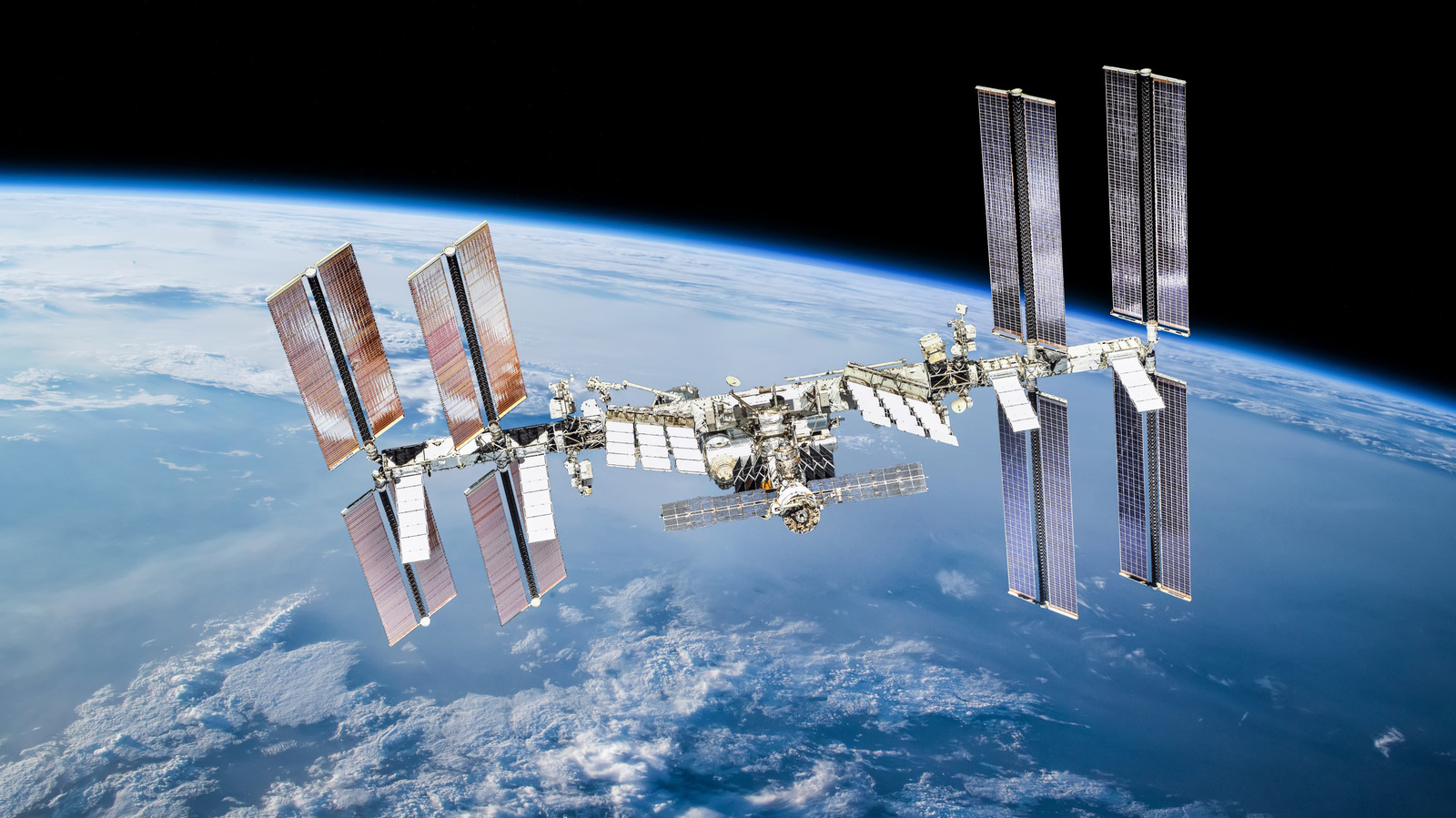
ISS 太空人因空氣洩漏在 SpaceX Dragon 內避難
💡涉及 SpaceX 硬體的關鍵安全事故;對於追蹤航太可靠性與機器人技術的人員至關重要。
⚡ 30 秒速覽
有什麼變化
國際太空站偵測到空氣洩漏。
為什麼重要
此事件凸顯了太空基礎設施對強大且自動化安全系統的關鍵依賴。同時也強調了長期太空任務中生命維持硬體冗餘的重要性。
下一步行動
密切關注 NASA 與 SpaceX 的官方更新,以了解生命維持系統的故障模式,作為未來航太工程的參考。
誰應關注:Developers & AI Engineers
關鍵要點
- •國際太空站偵測到空氣洩漏。
- •太空人使用 SpaceX Dragon 太空艙作為安全避難所。
- •目前正在調查洩漏的來源與嚴重程度。
🧠 深度解析
背景與延伸:來自公開資料,非原文內容。引用 20 個來源。
🔑 增強重點摘要
- •The air leak was detected in the Zvezda Service Module's transfer tunnel (PrK) on the Russian side of the International Space Station, a section that has suffered from cracks and leaks for some time.
- •The issue of cracks and leaks in the Zvezda module has persisted for approximately six years and has been elevated to a "top safety risk" by NASA's Office of Inspector General.
- •Five of the seven astronauts aboard the ISS sheltered in the docked SpaceX Crew Dragon "Freedom" capsule, designated as a "safe haven," while two Russian cosmonauts attempted repairs on the module.
- •The incident occurred after the Russian Space Agency Roscosmos discovered new air leaks during the pressurization of the Zvezda module's transfer chamber following the arrival of a Russian cargo ship.
- •Roscosmos paused the repair efforts to take measurements and assess data, leading NASA to back out of the "safe haven" configuration and return the crew to normal operations.
📊 競品分析▸ Show
| Feature/Aspect | SpaceX Crew Dragon | Boeing CST-100 Starliner | Russian Soyuz MS |
|---|---|---|---|
| Developer/Operator | SpaceX | Boeing | Roscosmos |
| Max Crew Capacity | 7 passengers (typically 4 for NASA missions) | 7 passengers (typically 4 for NASA missions) | 3 passengers |
| Max Docked Duration | 210 days | 210 days | 180 days |
| First Crewed Flight | May 30, 2020 | June 5, 2024 (first crewed test flight) | April 23, 1967 (Soyuz program) |
| Launch Vehicle | Falcon 9 | Atlas V (compatible with multiple rockets) | Soyuz rocket |
| Landing Method | Parachute-assisted splashdown in ocean | Airbag-assisted ground landing | Parachute-assisted ground landing (Kazakhstan) |
| Reusability | Capsule and Falcon 9 first stage reusable | Capsule designed for reusability (still declaring) | Capsule is largely single-use |
| Cost per Seat | ~$55M - $72M (depending on contract extension) | ~$90M | ~$82M - $86M |
| Autonomy | Can fly autonomously for up to 10 days | Can fly autonomously for up to 60 hours | Less autonomous, more manual control |
| Interior Design | Sleek touchscreen controls | Mix of physical buttons/switches and tablet technology | Traditional, cramped, physical controls |
| Emergency Role | Designated "safe haven" and direct escape vehicle | Designed for crew transport and potential safe haven | Primary crew transport, limited safe haven capacity |
| Development Cost | ~$3.1B (NASA funding) | ~$4.8B (NASA funding) | Long-standing program, costs integrated |
🛠️ 技術深入
- The SpaceX Crew Dragon's Environmental Control and Life Support System (ECLSS) is designed to provide a habitable cabin environment, including air circulation, fire detection and suppression, pressure control, and humidity monitoring.
- The Crew Dragon utilizes a nitrox system, a mixture of 23% oxygen and 77% nitrogen, for various applications such as diluting a contaminated atmosphere and feeding a cabin leak.
- Oxygen and nitrox are stored in composite overwrapped pressure vessels (COPVs) within the Dragon capsule.
- Astronauts wear intravehicular pressure suits during critical mission phases, such as launch and re-entry, to provide environmental protection and emergency pressurization in case of cabin leaks or other contingencies.
- The International Space Station employs high-precision MEMS differential pressure sensors for early leak detection, capable of identifying pressure differences as low as 25 pascals (0.003 PSI).
- Acoustic ultrasound technology, using devices like the CTRL UL101 Leak Detector and the Distran Ultra Pro acoustic camera, is utilized by ISS astronauts and ground control to pinpoint the exact location of air leaks by detecting ultrasounds emitted by escaping gas.
- For external leak detection, particularly for ammonia in cooling systems, the ISS uses the Robotic External Leak Locator (RELL), which includes a mass spectrometer and a total pressure gauge to identify gas composition and pinpoint leak sources.
🔮 前景展望基於引用來源的 AI 分析
The persistent and worsening air leaks in the Russian segment of the ISS could accelerate discussions about the station's operational lifespan beyond 2030.
The Zvezda module's cracks have been an ongoing concern for years, and new leaks, despite mitigation efforts, highlight the aging infrastructure and increasing maintenance challenges, potentially impacting the feasibility of extending ISS operations.
The incident reinforces the critical role of commercial spacecraft like SpaceX Dragon as essential 'safe havens' and emergency return vehicles for ISS crews.
The immediate use of the Dragon capsule for sheltering astronauts during a station emergency demonstrates its integral function in current ISS safety protocols and highlights the reliance on commercial partners for crew safety.
Continued air leak issues may prompt further investment in advanced leak detection and repair technologies for both current and future space habitats.
The challenges in identifying and permanently fixing the root cause of the leaks, despite existing ultrasonic and robotic tools, suggest a need for more sophisticated solutions to ensure the long-term integrity of space stations and habitats.
⏳ 時間線
2010-12
SpaceX Dragon 1 completes first uncrewed test flight.
2012-05
SpaceX Dragon 1 delivers cargo to the ISS for the first time.
2019-03
Uncrewed Crew Dragon (Demo-1) successfully docks with the ISS.
2020-05
SpaceX Crew Dragon (Demo-2) conducts first crewed flight to the ISS, restoring U.S. human spaceflight capability.
2020-11
SpaceX Crew-1, the first fully operational Crew Dragon mission, transports four astronauts to the ISS.
2026-06
ISS astronauts shelter in SpaceX Dragon due to an air leak in the Zvezda Service Module.
📎 來源 (20)
Factual claims are grounded in the sources below. Forward-looking analysis is AI-generated interpretation.
📰
AI 週報
閱讀本週精選 AI 大事摘要 →
👉相關動態

AI 策展新聞聚合。所有內容版權歸原始發布者所有。
原始來源: Engadget ↗
每週電子報
每週一封,可隨時退訂。