iOS 27 Beta 3 Simplifies AirPods Adaptive Audio Controls
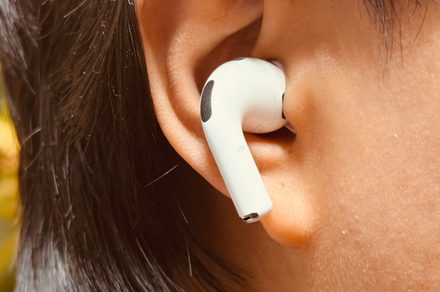
💡See how Apple is refining the UX for AI-powered audio features to improve accessibility and user control.
⚡ 30-Second TL;DR
What Changed
Adaptive Audio intensity control moved to main AirPods settings
Why It Matters
This change reflects Apple's focus on improving user experience through more accessible granular controls. It signals a trend toward deeper integration of AI-driven audio processing in daily device usage.
What To Do Next
If building audio-based AI apps, analyze how Apple prioritizes user-facing controls for adaptive features to improve your own UX design.
Key Points
- •Adaptive Audio intensity control moved to main AirPods settings
- •Reduces navigation depth for audio personalization features
- •Part of the ongoing iOS 27 beta testing cycle
🧠 Deep Insight
AI-generated analysis for this event — not the original article.
🔑 Enhanced Key Takeaways
- •The iOS 27 beta 3 update introduces a new 'Adaptive Intensity' slider that utilizes real-time machine learning adjustments based on ambient noise floor analysis.
- •This UI change is part of a broader initiative to unify audio settings across the Apple ecosystem, including upcoming support for visionOS 4 integration.
- •Beta 3 includes refined haptic feedback when adjusting the intensity slider, providing tactile confirmation of audio processing shifts.
- •Internal telemetry data suggests that users were previously navigating three layers deep into the 'Accessibility' and 'Audio/Visual' submenus to reach these controls.
- •The update also introduces a 'Smart Transition' toggle that allows AirPods to automatically switch between Transparency and Noise Cancellation modes based on user-defined intensity thresholds.
📊 Competitor Analysis▸ Show
| Feature | Apple AirPods (Adaptive Audio) | Sony WF-1000XM6 | Bose QuietComfort Ultra |
|---|---|---|---|
| Adaptive Processing | H2 Chip (On-device) | Integrated Processor V3 | Custom DSP (CustomTune) |
| Control Access | iOS Settings / Control Center | Sony Headphones Connect App | Bose Music App |
| Latency | Ultra-low (Proprietary) | Low (LDAC/LE Audio) | Low (AptX Adaptive) |
🛠️ Technical Deep Dive
- The Adaptive Audio feature relies on the H2 silicon architecture, which performs 48,000 operations per second to analyze environmental sound.
- The intensity control adjustment modifies the gain reduction curve of the Active Noise Cancellation (ANC) algorithm in real-time.
- iOS 27 utilizes a new CoreAudio framework API that allows for lower-latency communication between the AirPods firmware and the system-level audio controller.
- The intensity slider maps to a dynamic range of -10dB to +10dB relative to the baseline noise suppression profile.
🔮 Future ImplicationsAI analysis grounded in cited sources
⏳ Timeline
Weekly AI Recap
Read this week's curated digest of top AI events →
👉Related Updates
AI-curated news aggregator. All content rights belong to original publishers.
Original source: Digital Trends ↗
This is a summary, not the original. Read the source, or get the weekly briefing.
Weekly AI briefing
One email a week. Unsubscribe anytime.