Intel Bets on Physical AI and Robotics
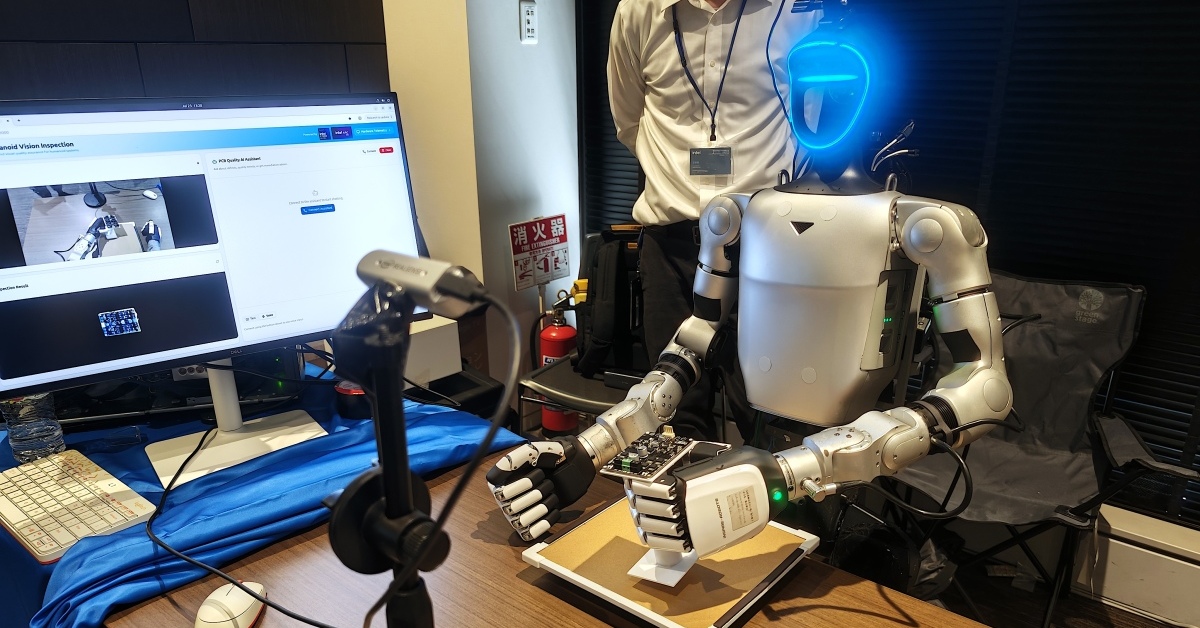
See how Intel plans to turn decades of embedded expertise into a physical AI advantage.
30-Second TL;DR
What Changed
Intel is emphasizing physical AI as a strategic direction.
Why It Matters
Intel's embedded background could help it compete for physical AI deployments where reliability, latency, and long-term support matter. The key challenge is converting that historical advantage into a competitive robotics software and hardware platform.
What To Do Next
Compare Intel's physical AI and robotics stack with Movensys's software motion-controller approach when selecting platforms for your next edge-robotics prototype.
Key Points
- •Intel is emphasizing physical AI as a strategic direction.
- •The strategy draws on Intel's approximately 40 years of embedded-market experience.
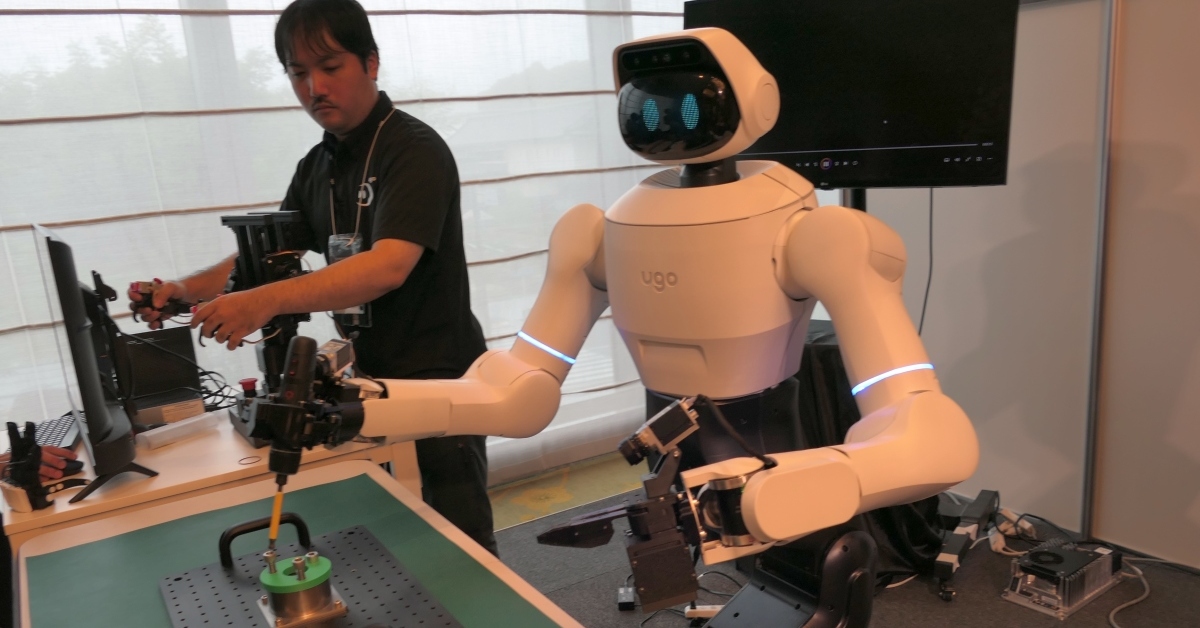
- •Movensys demonstrates a software-based motion controller approach for robotics.
Deep Insight
AI-generated analysis for this event — not the original article.
Enhanced Key Takeaways
- •Intel is leveraging its OpenVINO toolkit to optimize AI inference workloads specifically for edge robotics, enabling real-time processing on low-power embedded hardware.
- •The collaboration with Movensys centers on replacing traditional hardware-based PLC (Programmable Logic Controller) systems with PC-based software motion control to increase flexibility in manufacturing lines.
- •Intel's 'Physical AI' strategy integrates its RealSense depth-sensing camera technology with new neuromorphic computing research to improve spatial awareness and energy efficiency in autonomous mobile robots (AMRs).
- •The strategy addresses the 'compute-at-the-edge' bottleneck by utilizing Intel Core Ultra processors with integrated NPUs (Neural Processing Units) to handle complex kinematics and AI vision tasks simultaneously.
- •Intel is actively promoting the ROS 2 (Robot Operating System) ecosystem compatibility across its hardware stack to lower the barrier for developers transitioning from simulation to physical deployment.
Competitor Analysis
- Intel (Physical AI/Movensys)
- PC-based Software Motion Control
- NVIDIA (Isaac/Jetson)
- GPU-accelerated AI & Simulation
- Qualcomm (RB Series)
- Low-power Mobile/Edge AI
- Intel (Physical AI/Movensys)
- Legacy x86 ecosystem integration
- NVIDIA (Isaac/Jetson)
- Dominant AI software stack (Isaac)
- Qualcomm (RB Series)
- Power efficiency & 5G integration
- Intel (Physical AI/Movensys)
- Software-defined (Movensys)
- NVIDIA (Isaac/Jetson)
- Hardware-accelerated AI
- Qualcomm (RB Series)
- Integrated DSP/NPU
- Intel (Physical AI/Movensys)
- Industrial Automation/Manufacturing
- NVIDIA (Isaac/Jetson)
- Robotics R&D/Autonomous Vehicles
- Qualcomm (RB Series)
- Drones/Consumer Robotics
| Feature | Intel (Physical AI/Movensys) | NVIDIA (Isaac/Jetson) | Qualcomm (RB Series) |
|---|---|---|---|
| Core Focus | PC-based Software Motion Control | GPU-accelerated AI & Simulation | Low-power Mobile/Edge AI |
| Primary Advantage | Legacy x86 ecosystem integration | Dominant AI software stack (Isaac) | Power efficiency & 5G integration |
| Motion Control | Software-defined (Movensys) | Hardware-accelerated AI | Integrated DSP/NPU |
| Target Market | Industrial Automation/Manufacturing | Robotics R&D/Autonomous Vehicles | Drones/Consumer Robotics |
Technical Deep Dive
- Intel's approach utilizes the WMX (Windows-based Motion Control) software platform from Movensys, which runs on standard x86 industrial PCs, eliminating the need for dedicated motion control cards.
- The architecture relies on EtherCAT communication protocols to achieve sub-millisecond synchronization between the software controller and robotic actuators.
- Integration with Intel's OneAPI allows for cross-architecture programming, enabling developers to write code once and deploy it across CPUs, GPUs, and FPGAs within the robotics stack.
- Physical AI implementation involves fusing sensor data from RealSense cameras with AI models optimized via OpenVINO to perform SLAM (Simultaneous Localization and Mapping) with reduced latency.
Future ImplicationsAI analysis grounded in cited sources
Timeline
- 2015-08Intel acquires Altera, bolstering its FPGA capabilities for industrial and robotics applications.
- 2018-05Intel launches the OpenVINO toolkit to accelerate deep learning inference at the edge.
- 2023-03Intel announces the expansion of its edge AI portfolio, focusing on industrial automation and robotics.
- 2024-12Intel Core Ultra processors with integrated NPU begin shipping, providing the foundation for Physical AI edge compute.
- 2026-06Intel Robotics Workshop 2026 highlights the strategic pivot toward Physical AI and software-defined robotics.
Weekly AI Recap
Read this week's curated digest of top AI events →
Related Updates
AI-curated news aggregator. All content rights belong to original publishers.
Original source: ITmedia AI+ (日本) ↗
This is a summary, not the original. Read the source, or get the weekly briefing.
The weekly digest
One email a week. Unsubscribe anytime.