India's Karnataka and Andhra Pradesh propose social media bans
Understand how regional digital identity integration is reshaping global social media compliance and age-gating.
30-Second TL;DR
What Changed
Karnataka proposes a ban for those under 16, while Andhra Pradesh targets under 13.
Why It Matters
These regional policies could force global social media platforms to implement stricter, region-specific age-gating and identity verification features in India.
What To Do Next
If building for the Indian market, integrate robust age-verification APIs that comply with local digital identity standards.
Key Points
- •Karnataka proposes a ban for those under 16, while Andhra Pradesh targets under 13.
- •Aadhaar digital identity system is being considered as the core mechanism for age verification.
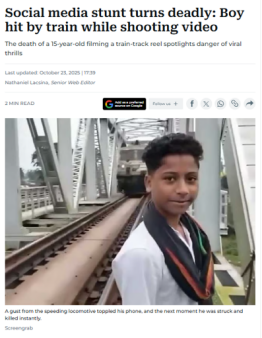
- •The policy shift is driven by rising concerns over digital addiction and social media-related tragedies.
Deep Insight
Background and context from public sources — not the original article. 25 sources cited.
Enhanced Key Takeaways
- •While Aadhaar was initially deemed unfeasible for age verification by the Ministry of Electronics and Information Technology (MeitY) in July 2024, a new Aadhaar app launched in January 2026 by the Unique Identification Authority of India (UIDAI) is designed for secure, selective age information sharing under the Digital Personal Data Protection Act, making it a viable solution for age gating across online services.
- •Andhra Pradesh is specifically exploring "age tokens" integrated with DigiLocker as its age verification mechanism, aiming to authenticate user age without compromising privacy.
- •Karnataka's draft policy, developed in collaboration with mental health authorities, also suggests broader measures like child-specific phone plans with audio-only features and restricting data usage after 7 pm for students.
- •The central Indian government is considering a national graded, age-based framework for users under 18, with different restrictions for age groups 8-12, 12-16, and 16-18, alongside calls for mandatory Know Your Customer (KYC)-based identity verification across all social media, dating, and gaming platforms.
- •These Indian state proposals align with a global trend, notably following Australia's nationwide ban on social media for under-16s, which came into effect in December 2025, triggering similar legislative considerations in regions like the EU and UK.
Technical Deep Dive
- Aadhaar App for Age Verification: The UIDAI's new Aadhaar app facilitates age verification by allowing "selective sharing" of limited age-related information (such as name and date of birth) without revealing full Aadhaar details. This process integrates with the Swik Rules and Aadhaar Authentication for Good Governance, aiming to prevent sensitive data exposure and misuse while streamlining age checks for online services.
- DigiLocker "Age Tokens": Andhra Pradesh is exploring the use of "age tokens" integrated with DigiLocker. This mechanism is intended to enable social media platforms to authenticate a user's age securely and privately, aligning with the Digital Personal Data Protection (DPDP) Act's requirements for age verification through virtual tokens linked to digital identity systems.
Future ImplicationsAI analysis grounded in cited sources
Timeline
- 2021-02-25Information Technology (Intermediary Guidelines and Digital Media Ethics Code) Rules, 2021 enacted, establishing a framework for social media intermediaries and online publishers.
- 2023-08Digital Personal Data Protection (DPDP) Act passed by Parliament, defining users under 18 as children and requiring verifiable parental consent for processing their personal data.
- 2024-07-19MeitY communicates that it would not prescribe a specific age verification method, finding Aadhaar and DigiLocker unfeasible at the time, and encourages platforms to devise their own tech-enabled solutions.
- 2025-11Final DPDP rules notified, explicitly mentioning the use of virtual tokens linked to digital identity systems like Aadhaar as a key component of age verification mechanisms.
- 2026-01-28UIDAI launches a new Aadhaar app designed to streamline age verification under the DPDP Act without oversharing data, enabling age gating for online services.
- 2026-03-06Karnataka Chief Minister proposes a social media ban for children under 16, and Andhra Pradesh Chief Minister announces a prohibition for children under 13 within 90 days.
Sources (25)
Factual claims are grounded in the sources below. Forward-looking analysis is AI-generated interpretation.
Weekly AI Recap
Read this week's curated digest of top AI events →
AI-curated news aggregator. All content rights belong to original publishers.
Original source: 虎嗅 ↗
This is a summary, not the original. Read the source, or get the weekly briefing.
The weekly digest
One email a week. Unsubscribe anytime.