IBM Defines New AI Operating Model for Enterprise AX
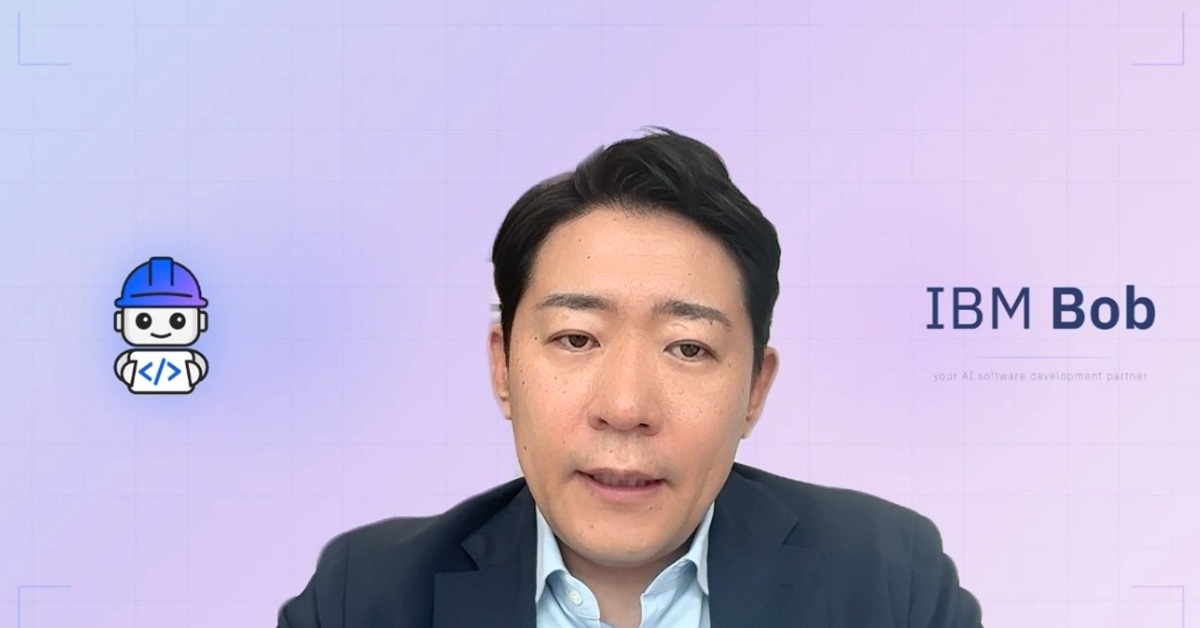
💡Learn how IBM is standardizing the structural requirements for successful enterprise AI transformation.
⚡ 30-Second TL;DR
What Changed
Introduces the 'AI Operating Model' framework for AX
Why It Matters
This framework helps enterprises move beyond pilot projects to systemic AI integration. It provides a roadmap for structural organizational changes required for long-term AI success.
What To Do Next
Review your current organizational structure against IBM's AI Operating Model to identify gaps in your AI deployment strategy.
Key Points
- •Introduces the 'AI Operating Model' framework for AX
- •Focuses on updating fundamental business premises
- •Provides strategic guidance for enterprise-wide AI adoption
🧠 Deep Insight
Background and context from public sources — not the original article. 18 sources cited.
🔑 Enhanced Key Takeaways
- •IBM's 'AI Operating Model' was officially unveiled at its Think 2026 conference, presenting a comprehensive blueprint for organizations to scale AI securely and efficiently across the enterprise.
- •The framework is structured around four integrated pillars: AI Agents and Orchestration, Real-Time Data Integration, Automation Across Workflows and Infrastructure, and Hybrid Cloud and Governance, designed to address common failure points in enterprise AI deployment.
- •IBM emphasizes that achieving competitive advantage with AI requires fundamentally redesigning business operations rather than merely deploying more AI tools, shifting focus from isolated experimentation to core business integration.
- •The model is supported by new and expanded technologies, including the next generation of IBM watsonx Orchestrate for multi-agent coordination, IBM Concert for intelligent operations, IBM Confluent for real-time data streaming, and IBM Sovereign Core for embedding governance at the infrastructure runtime level.
- •A recent IBM study indicates that as AI deployment scales, many CIOs and CTOs are held accountable for AI systems they don't fully control, with governance capabilities often lagging behind the pace of AI adoption, underscoring the necessity for a structured operating model.
📊 Competitor Analysis▸ Show
| Company | Primary Focus/Differentiator |
|---|---|
| IBM | Comprehensive AI Operating Model for agentic enterprise, strong on governance, hybrid cloud, and regulated industries. |
| McKinsey (e.g., Rewired) | Broad strategic AI transformation methodology, deep institutional strategy, cross-industry benchmarking. |
| BCG (e.g., AI@Scale) | Strategic categorization (Deploy, Reshape, Invent) and maturity progression for AI adoption. |
| Accenture (e.g., Total Enterprise Reinvention) | Positions AI within a broader competitive strategy, comprehensive transformation playbooks. |
| Microsoft (e.g., AI Adoption Framework, Copilot) | AI adoption framework tied to Azure, deep integration with Microsoft 365 suite and enterprise applications. |
| Google Cloud (e.g., AI Adoption Framework, Workspace AI) | AI adoption framework tied to Google Cloud, built-in AI across productivity tools like Workspace. |
🛠️ Technical Deep Dive
- The AI Operating Model is built on four integrated systems: agents, data, automation, and hybrid.
- AI Agents and Orchestration: Leverages the next generation of IBM watsonx Orchestrate to support multi-agent orchestration at scale, coordinating thousands of AI agents across complex business workflows and managing conflict resolution and task delegation.
- Real-Time Data Integration: Incorporates integration with Confluent for real-time data streaming to AI workloads, extending to intelligent operations via the IBM Concert platform. It also includes Context in watsonx.data (in private preview) to provide an open, federated context layer for reliable AI reasoning over business data with runtime governance.
- Automation Across Workflows and Infrastructure: Utilizes the IBM Concert platform (in public preview) as an AI-powered operations platform to move organizations from passive monitoring to coordinated, intelligent response and automated remediation of infrastructure issues.
- Hybrid Cloud and Governance: Features IBM Sovereign Core (generally available), which embeds governance policies directly at the infrastructure runtime level, ensuring continuous compliance verification for regulated industries and cross-border operations while prioritizing workload portability.
- The model emphasizes embedding control and visibility from the initial design phase to enable confident scaling of AI systems.
🔮 Future ImplicationsAI analysis grounded in cited sources
⏳ Timeline
📎 Sources (18)
Factual claims are grounded in the sources below. Forward-looking analysis is AI-generated interpretation.
Weekly AI Recap
Read this week's curated digest of top AI events →
👉Related Updates

AI-curated news aggregator. All content rights belong to original publishers.
Original source: ITmedia AI+ (日本) ↗
This is a summary, not the original. Read the source, or get the weekly briefing.
The weekly digest
One email a week. Unsubscribe anytime.