💰钛媒体•Freshcollected in 83m
Hydrogen Engines: Scaling Challenges in a Competitive Landscape
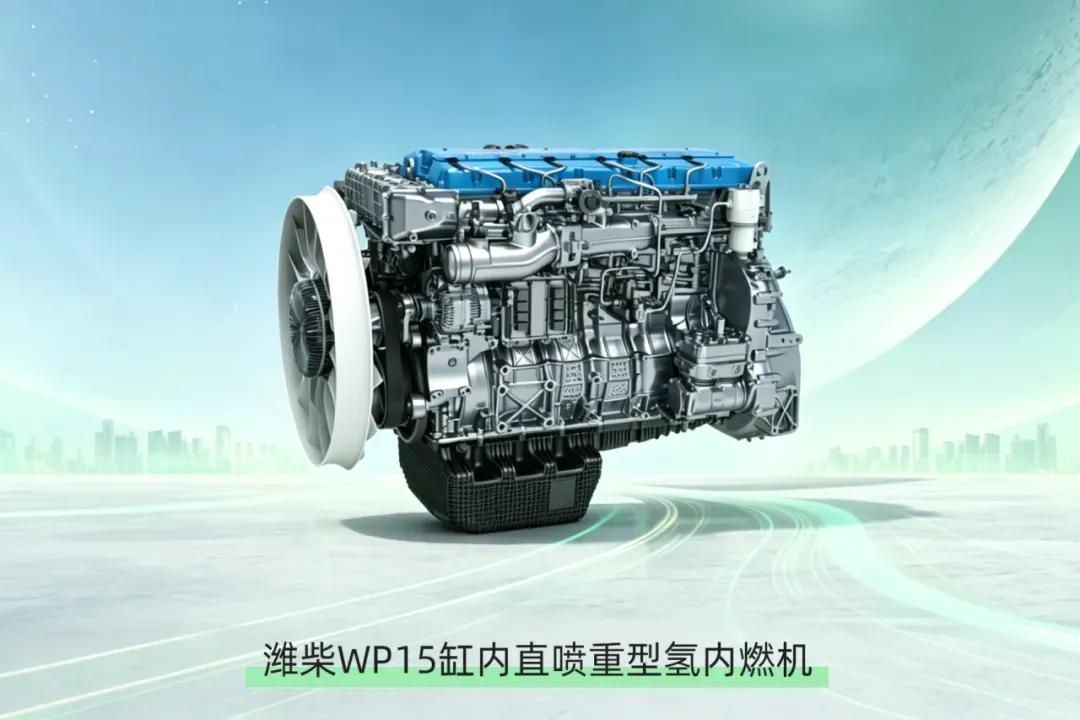
💡Understand the energy landscape shift that could impact the future of autonomous transport and AI-powered logistics.
⚡ 30-Second TL;DR
What Changed
Hydrogen engines are struggling to compete with the rapid adoption of BEVs.
Why It Matters
The struggle of hydrogen engines highlights the dominance of electrification in the energy transition, impacting how future AI-driven autonomous transport fleets might be powered.
What To Do Next
Evaluate energy efficiency metrics when designing AI-optimized logistics or fleet management software for different powertrain types.
Who should care:Researchers & Academics
Key Points
- •Hydrogen engines are struggling to compete with the rapid adoption of BEVs.
- •Scaling production faces three major technical and economic challenges.
- •Infrastructure requirements for hydrogen remain a bottleneck for mass adoption.
🧠 Deep Insight
AI-generated analysis for this event.
🔑 Enhanced Key Takeaways
- •Hydrogen internal combustion engines (H2-ICE) suffer from significantly lower thermal efficiency compared to hydrogen fuel cells, often peaking around 38-42% versus 60% for fuel cell stacks.
- •NOx emissions remain a critical technical hurdle for H2-ICE, requiring advanced selective catalytic reduction (SCR) systems to meet stringent Euro VII or equivalent global emission standards.
- •The combustion characteristics of hydrogen, specifically its high flame speed and tendency for pre-ignition, necessitate specialized materials for pistons and valves to prevent engine knock and thermal degradation.
- •Heavy-duty transport and long-haul shipping are emerging as the primary niche markets for H2-ICE, as these sectors struggle with the energy density and charging time limitations of current battery technologies.
- •Lubrication oil contamination is a unique challenge for hydrogen engines, as the combustion of hydrogen produces water vapor that can lead to oil emulsification and accelerated engine wear.
📊 Competitor Analysis▸ Show
| Feature | Hydrogen ICE | Battery Electric (BEV) | Hydrogen Fuel Cell (FCEV) |
|---|---|---|---|
| Energy Efficiency | Moderate (35-42%) | High (80-90%) | High (50-60%) |
| Refueling Time | Fast (5-10 min) | Slow (30 min - 2 hrs) | Fast (5-10 min) |
| Complexity | High (Mechanical) | Low (Solid State) | Moderate (Chemical) |
| Emission Profile | Low NOx | Zero | Zero |
🛠️ Technical Deep Dive
- Combustion Strategy: Direct injection (DI) is preferred over port fuel injection to mitigate backfire risks and improve volumetric efficiency.
- Compression Ratio: Optimized typically between 10:1 and 12:1 to balance power output with the prevention of pre-ignition.
- Fuel System: Requires high-pressure storage (350-700 bar) and specialized injectors capable of handling hydrogen embrittlement.
- Thermal Management: Enhanced cooling systems are required due to the higher combustion temperatures and the need to manage heat flux in the cylinder head.
🔮 Future ImplicationsAI analysis grounded in cited sources
H2-ICE will be relegated to specialized heavy-duty industrial applications by 2030.
The superior efficiency of fuel cells and batteries makes H2-ICE economically uncompetitive for light-duty passenger vehicles.
Retrofitting existing diesel fleets will become the primary deployment model for hydrogen engines.
The high capital cost of new hydrogen infrastructure makes converting existing heavy-duty diesel engines more financially viable than building new fuel cell platforms.
⏳ Timeline
2021-05
Major automotive manufacturers begin public testing of hydrogen-converted heavy-duty truck engines.
2023-09
Introduction of specialized hydrogen-compatible engine oil formulations to address emulsification issues.
2025-02
Global regulatory bodies finalize emission standards specifically addressing NOx output in hydrogen-combustion engines.
📰
Weekly AI Recap
Read this week's curated digest of top AI events →
👉Related Updates


AI-curated news aggregator. All content rights belong to original publishers.
Original source: 钛媒体 ↗