Human trial confirms safety of enteral oxygen ventilation
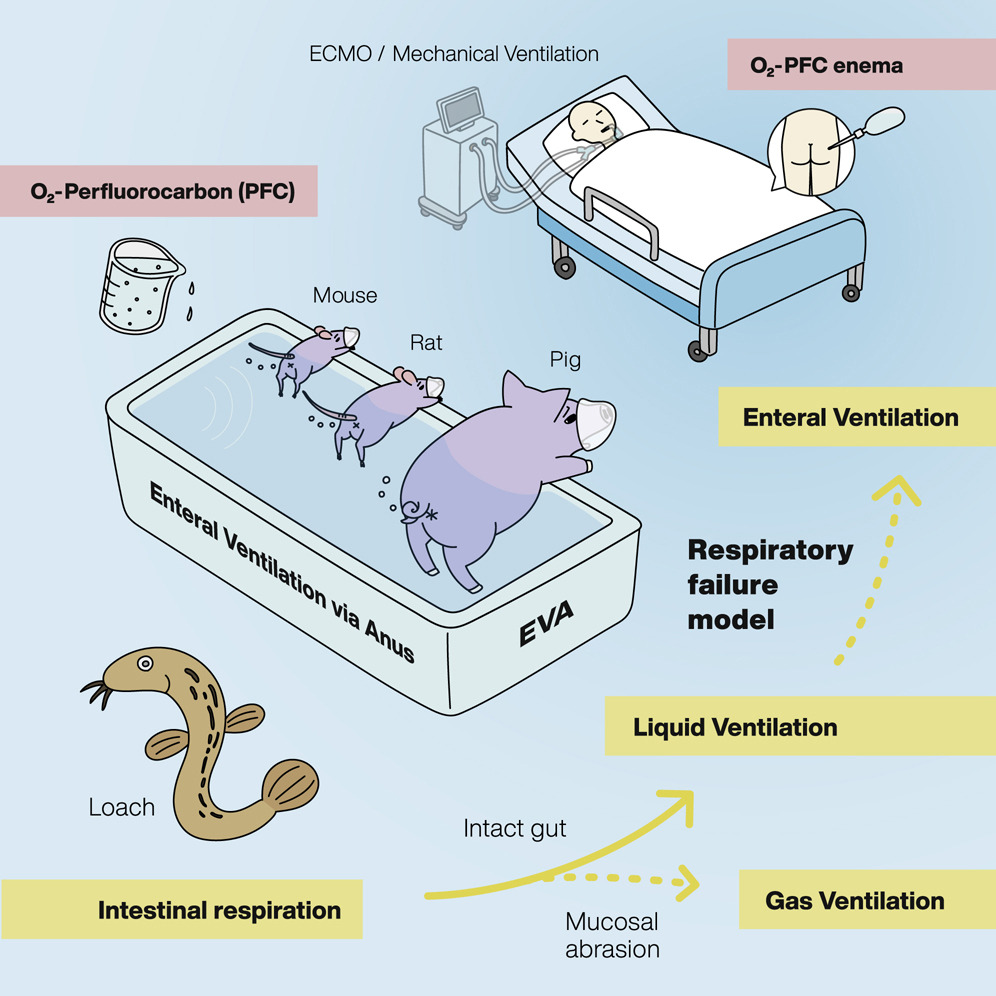
💡A bizarre but scientifically validated breakthrough: humans may soon be able to 'breathe' through their intestines.
⚡ 30-Second TL;DR
What Changed
First-in-human trial involved 27 healthy volunteers receiving perfluorodecalin via the rectum.
Why It Matters
This research opens a new frontier in medical technology, potentially decoupling life support from traditional pulmonary systems and providing a novel solution for emergency respiratory care.
What To Do Next
Monitor the follow-up efficacy studies on this 'enteral ventilation' technique, as it represents a significant paradigm shift in emergency medical hardware.
Key Points
- •First-in-human trial involved 27 healthy volunteers receiving perfluorodecalin via the rectum.
- •74% of participants successfully retained the fluid for 60 minutes without significant adverse effects.
- •The method aims to provide oxygenation independent of the lungs, potentially reducing ventilator-induced injury.
- •Future trials will focus on oxygen delivery efficacy in patients with respiratory distress.
🧠 Deep Insight
AI-generated analysis for this event — not the original article.
🔑 Enhanced Key Takeaways
- •The procedure is technically referred to as Enteral Ventilation (EVA) or more specifically, Enteral Oxygenation (EO).
- •Perfluorodecalin (PFD) is utilized due to its exceptional ability to dissolve and transport high concentrations of oxygen, a property previously leveraged in liquid ventilation research.
- •The mechanism relies on the rich vascular network of the intestinal mucosa, which allows oxygen to diffuse into the bloodstream, bypassing the pulmonary circulation.
- •This research builds upon foundational animal studies, notably a 2021 study published in the journal 'Med' which demonstrated that PFD-based enteral ventilation could rescue mice and pigs from hypoxic conditions.
- •The clinical trial was conducted to address the critical shortage of mechanical ventilators and the high mortality rates associated with invasive ventilation in patients with severe acute respiratory distress syndrome (ARDS).
🛠️ Technical Deep Dive
- The technique involves the administration of oxygenated perfluorodecalin (PFD) into the rectum via a specialized catheter system.
- PFD acts as an oxygen carrier; it is chemically inert, non-toxic, and possesses high gas solubility, allowing it to act as a temporary oxygen reservoir.
- Oxygen absorption occurs via the mesenteric venous system, which drains into the portal vein and subsequently the systemic circulation, effectively bypassing the lungs.
- The trial protocol required participants to remain in a specific position to ensure optimal contact between the PFD and the intestinal wall to maximize gas exchange efficiency.
🔮 Future ImplicationsAI analysis grounded in cited sources
⏳ Timeline
Weekly AI Recap
Read this week's curated digest of top AI events →
👉Related Updates


AI-curated news aggregator. All content rights belong to original publishers.
Original source: 虎嗅 ↗
This is a summary, not the original. Read the source, or get the weekly briefing.
Weekly AI briefing
One email a week. Unsubscribe anytime.