Huawei and Lenovo to Raise Prices Due to Chip Costs
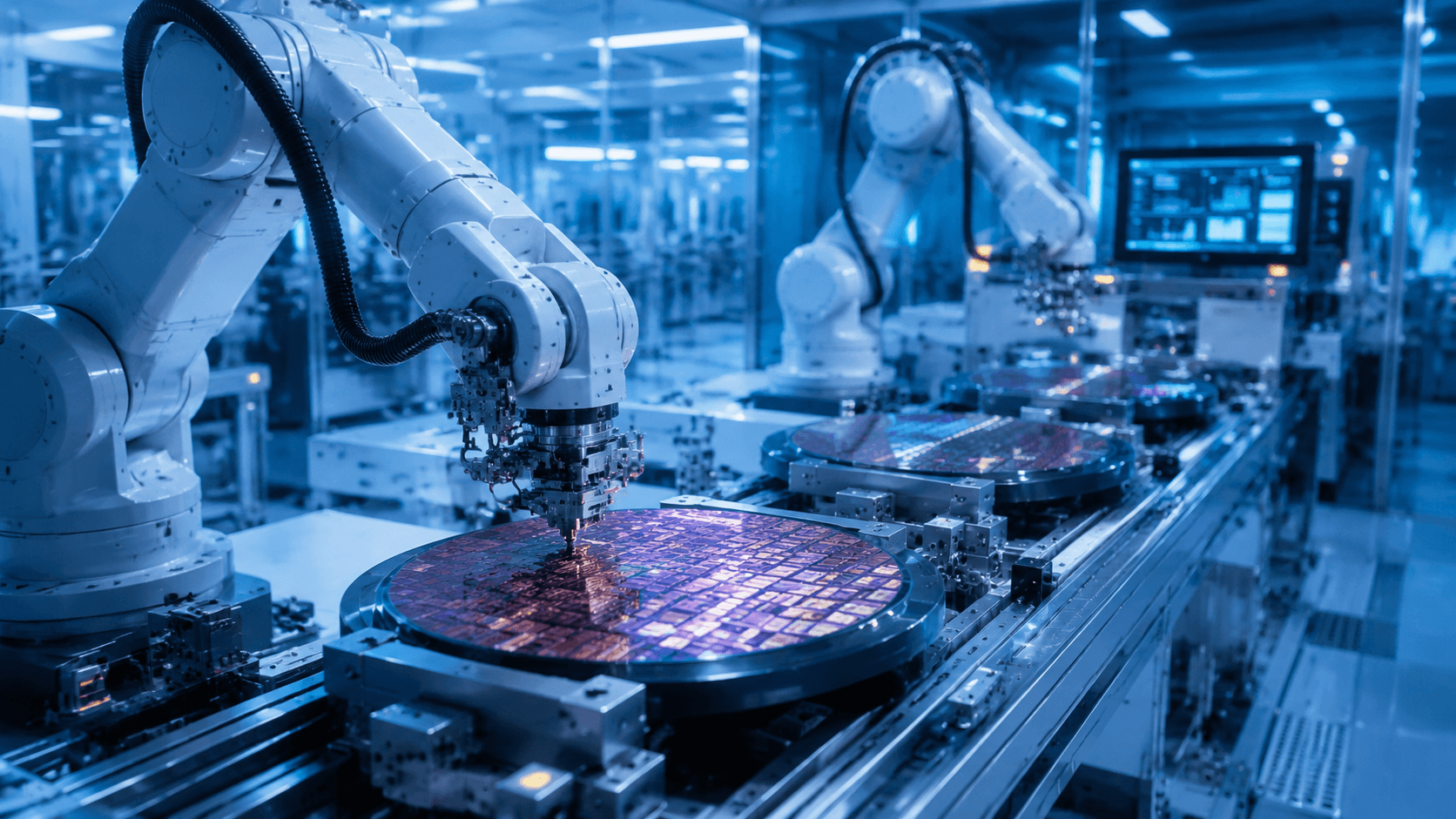
💡Rising hardware costs could impact your edge AI deployment budget. Stay ahead of supply chain shifts.
⚡ 30-Second TL;DR
What Changed
Price increases scheduled for July across consumer electronics lines
Why It Matters
Rising hardware costs may increase the barrier to entry for edge AI deployment. Practitioners should account for higher infrastructure and device procurement budgets in upcoming projects.
What To Do Next
Re-evaluate your hardware procurement budget for edge AI deployments to account for potential price hikes in Q3.
Key Points
- •Price increases scheduled for July across consumer electronics lines
- •Supply chain pressure cited as the primary driver for cost adjustments
- •Impacts major hardware manufacturers reliant on semiconductor availability
🧠 Deep Insight
Background and context from public sources — not the original article. 20 sources cited.
🔑 Enhanced Key Takeaways
- •The primary driver for the rising chip costs, leading to a phenomenon dubbed "chipflation," is the massive demand for memory chips (DRAM and NAND flash) from the artificial intelligence (AI) industry.
- •Huawei's announced price increases, effective July 1, 2026, will specifically impact its smart collaboration product lines, including conferencing and display devices.
- •Lenovo's upcoming July price hikes will apply across its entire consumer product portfolio, encompassing laptops, desktops, tablets, smartphones, monitors, and office accessories, following a previous price adjustment in March 2026.
- •Major chip foundries, including Samsung, SK Hynix, and TSMC, are prioritizing AI-related demand, creating a two-tier market where data centers receive preferential allocation of advanced manufacturing capacity over consumer devices, leading to projected supply shortfalls for PCs and smartphones.
- •Gartner forecasts a significant decline in global PC and smartphone shipments in 2026 (10.4% and 8.4% respectively) due to soaring memory costs, which are estimated to increase PC prices by 17% and smartphone prices by 13% compared to 2025 levels.
🛠️ Technical Deep Dive
- Memory Chips: The current "chipflation" is largely driven by the surging demand for Dynamic Random-Access Memory (DRAM) and NAND flash memory, which are essential components for smartphones, PCs, and AI servers.
- High-Bandwidth Memory (HBM): AI data centers are specifically fueling demand for High-Bandwidth Memory (HBM), a specialized type of memory with a complex manufacturing process and limited supply, leading chipmakers to prioritize AI customers.
- Manufacturing Complexity: The transition to smaller technology nodes, such as 3nm, significantly increases production costs due to the complexity of extreme ultraviolet (EUV) lithography, a higher number of process steps, and escalating research and development (R&D) expenses.
- Wafer Costs: Wafer prices are escalating as technology nodes shrink and yield rates become a critical factor, with the estimated cost of fabricating a single 3nm wafer ranging from $20,000 to $25,000.
- Bill-of-Materials (BOM) Impact: Memory costs are projected to reach 23% of the total bill-of-materials for PCs, a substantial increase from 16% in 2025, which disproportionately affects low-margin entry-level devices.
🔮 Future ImplicationsAI analysis grounded in cited sources
⏳ Timeline
📎 Sources (20)
Factual claims are grounded in the sources below. Forward-looking analysis is AI-generated interpretation.
Weekly AI Recap
Read this week's curated digest of top AI events →
👉Related Updates

AI-curated news aggregator. All content rights belong to original publishers.
Original source: Pandaily ↗
This is a summary, not the original. Read the source, or get the weekly briefing.
The weekly digest
One email a week. Unsubscribe anytime.