Floods disrupt global jasmine hub in Hengzhou, Guangxi
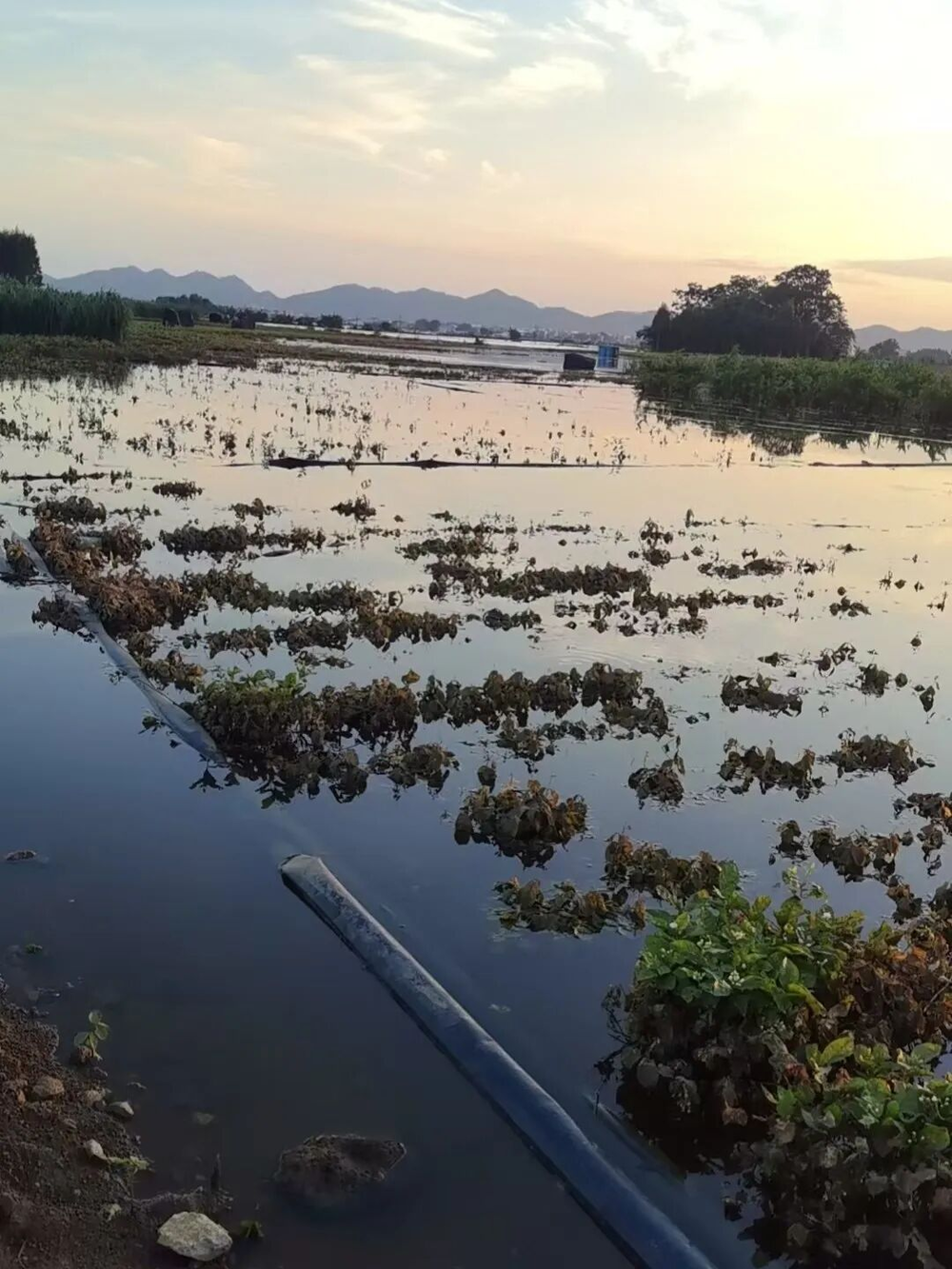
💡See how extreme climate events impact AI-driven agricultural supply chains in a major global production hub.
⚡ 30-Second TL;DR
What Changed
Hengzhou produces 60% of the world's jasmine flowers, with an annual industry value exceeding 19 billion RMB.
Why It Matters
The disruption highlights the vulnerability of AI-integrated agricultural supply chains to extreme climate events. Future resilience planning for such platforms will likely require better integration of climate risk data.
What To Do Next
If you are building ag-tech solutions, ensure your data collection models include extreme weather contingency parameters to maintain predictive accuracy during disasters.
Key Points
- •Hengzhou produces 60% of the world's jasmine flowers, with an annual industry value exceeding 19 billion RMB.
- •Extreme rainfall caused reservoir breaches, submerging vast areas of jasmine fields and agricultural infrastructure.
- •The local 'Digital Jasmine' platform, which uses AI cameras for yield prediction, is currently affected by the operational shutdown.
- •Industry recovery efforts are underway, with local stakeholders prioritizing disaster relief over economic loss assessment.
🧠 Deep Insight
AI-generated analysis for this event — not the original article.
🔑 Enhanced Key Takeaways
- •Hengzhou's jasmine industry has been designated as a 'National Modern Agricultural Industrial Park,' which integrates standardized planting with high-tech processing to maintain its global market dominance.
- •The 'Digital Jasmine' platform utilizes IoT sensors alongside AI cameras to monitor soil moisture, pH levels, and pest outbreaks in real-time, data which is now inaccessible due to power outages in the affected zones.
- •Local government authorities have activated emergency agricultural insurance protocols, specifically targeting the 'Jasmine Price Index' insurance products to mitigate financial losses for smallholder farmers.
- •The flooding has specifically impacted the 'Jasmine Tea' fermentation cycle, which requires precise temperature and humidity control, leading to a temporary halt in the production of high-grade scented teas.
- •Logistics in the region are further complicated by the damage to rural road networks, which are critical for transporting fresh, highly perishable jasmine buds to processing centers within the required 4-6 hour window.
🛠️ Technical Deep Dive
- Digital Jasmine Platform Architecture: Utilizes a distributed sensor network (IoT) for real-time environmental monitoring (temperature, humidity, soil moisture).
- AI Yield Prediction: Employs computer vision models trained on historical flowering patterns and satellite imagery to estimate harvest volumes.
- Data Transmission: Relies on 5G-enabled edge computing nodes located within the fields to process image data locally before syncing with the central cloud platform.
- Disaster Resilience: The system includes automated alert triggers for extreme weather events, though it remains vulnerable to physical infrastructure damage (power/network outages) at the field level.
🔮 Future ImplicationsAI analysis grounded in cited sources
⏳ Timeline
Weekly AI Recap
Read this week's curated digest of top AI events →
👉Related Updates



AI-curated news aggregator. All content rights belong to original publishers.
Original source: 虎嗅 ↗
This is a summary, not the original. Read the source, or get the weekly briefing.
The weekly digest
One email a week. Unsubscribe anytime.