๐Ÿ‡ญ๐Ÿ‡ฐFreshcollected in 0m

Chinese State Firms Launch Semiconductor Funds for 'Patient' Capital
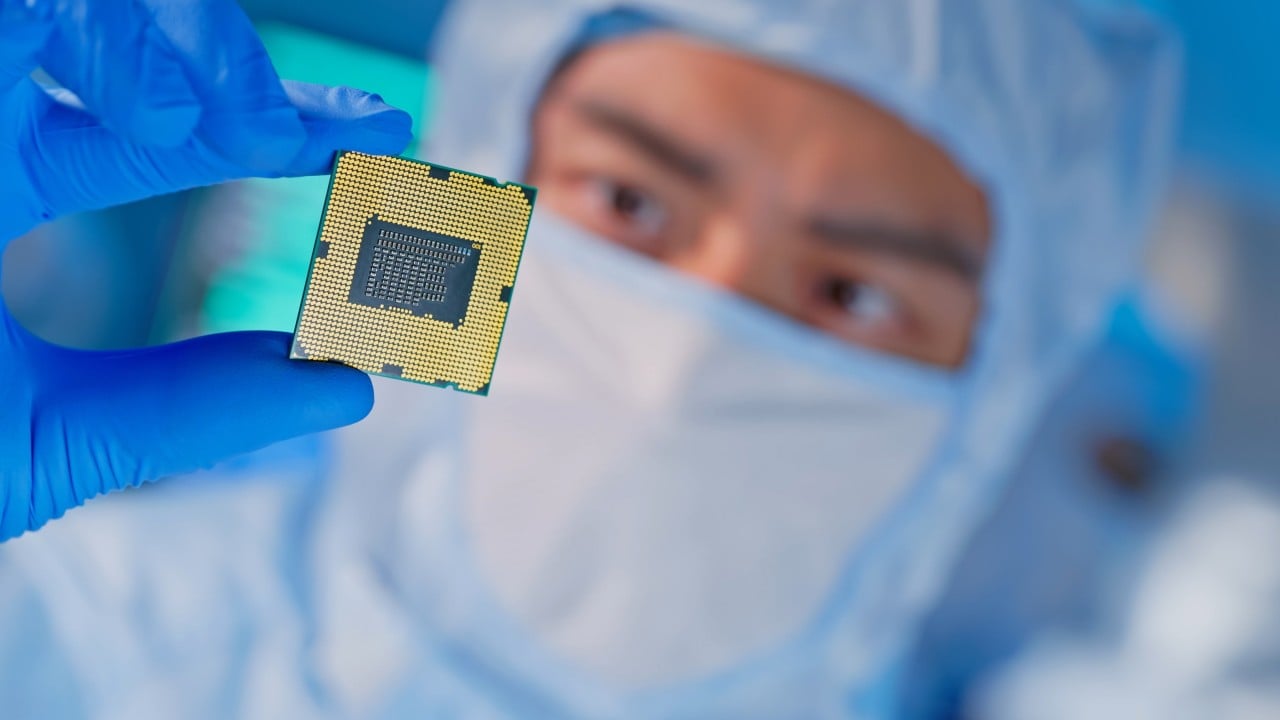
Chinese State Firms Launch Semiconductor Funds for 'Patient' Capital
PostLinkedIn
๐Ÿ‡ญ๐Ÿ‡ฐRead original on SCMP Technology

๐Ÿ’กUnderstand the shift in Chinese semiconductor funding that could impact global AI hardware supply chains.

โšก 30-Second TL;DR

What Changed

China Life Insurance and state-backed entities are establishing a 5 billion yuan semiconductor investment fund.

Why It Matters

This shift toward state-backed patient capital could accelerate domestic chip production capabilities in China, potentially altering the competitive landscape for AI hardware and high-performance computing components.

What To Do Next

Monitor the investment portfolios of these new funds to identify emerging Chinese AI hardware startups that may soon gain significant manufacturing capacity.

Who should care:Founders & Product Leaders

Key Points

  • โ€ขChina Life Insurance and state-backed entities are establishing a 5 billion yuan semiconductor investment fund.
  • โ€ขThe initiative focuses on 'patient capital' to support long-term R&D in the chip sector.
  • โ€ขState-led funding aims to mitigate the high resource requirements and long development cycles of semiconductor manufacturing.

๐Ÿง  Deep Insight

AI-generated analysis for this event.

๐Ÿ”‘ Enhanced Key Takeaways

  • โ€ขThe 'patient capital' strategy aligns with the State Council's 2024 guidelines, which explicitly encourage long-term investment vehicles to stabilize the domestic tech supply chain.
  • โ€ขThis funding model shifts away from the 'Big Fund' (China Integrated Circuit Industry Investment Fund) approach, which previously faced scrutiny for corruption and inefficient capital allocation.
  • โ€ขProvincial-level funds are increasingly prioritizing 'hard tech' sectors like advanced lithography, EDA software, and chiplet packaging over generic semiconductor manufacturing.
  • โ€ขThe involvement of China Life Insurance marks a significant shift toward integrating institutional insurance capital into high-risk, high-reward national strategic projects.
  • โ€ขThese funds are increasingly tied to 'localization quotas,' requiring recipients to demonstrate a clear path toward replacing imported components with domestic alternatives.

๐Ÿ”ฎ Future ImplicationsAI analysis grounded in cited sources

Increased domestic self-sufficiency in 28nm and above nodes.
The influx of long-term capital allows firms to focus on scaling mature node production, which is less susceptible to current export controls.
Consolidation of smaller semiconductor startups.
The shift toward 'patient capital' favors established firms with proven R&D pipelines, likely leading to M&A activity among smaller, underfunded players.

โณ Timeline

2014-09
Establishment of the China Integrated Circuit Industry Investment Fund (Big Fund Phase I).
2019-10
Launch of Big Fund Phase II with a focus on equipment and materials.
2024-05
Big Fund Phase III launched with a record 344 billion yuan to bolster advanced manufacturing.
2026-07
State-backed entities and China Life Insurance initiate new patient capital semiconductor funds.
๐Ÿ“ฐ

Weekly AI Recap

Read this week's curated digest of top AI events โ†’

๐Ÿ‘‰Related Updates

AI-curated news aggregator. All content rights belong to original publishers.
Original source: SCMP Technology โ†—